
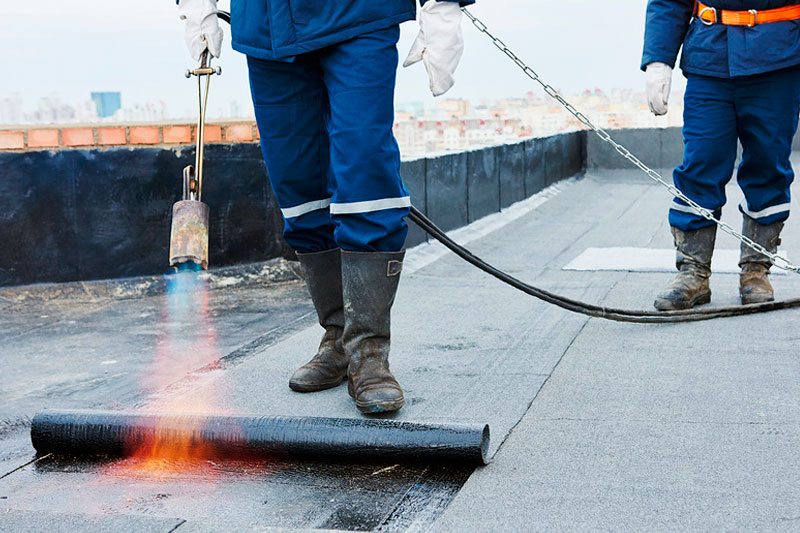
What is waterproofing?
Waterproofing is a set of techniques and materials used to prevent the passage of water through construction elements, such as roofs, walls, foundations and terraces. We will explain the different types of waterproofing available, such as asphalt membranes, rubber coatings and waterproofing paints.
Asphalt membranes
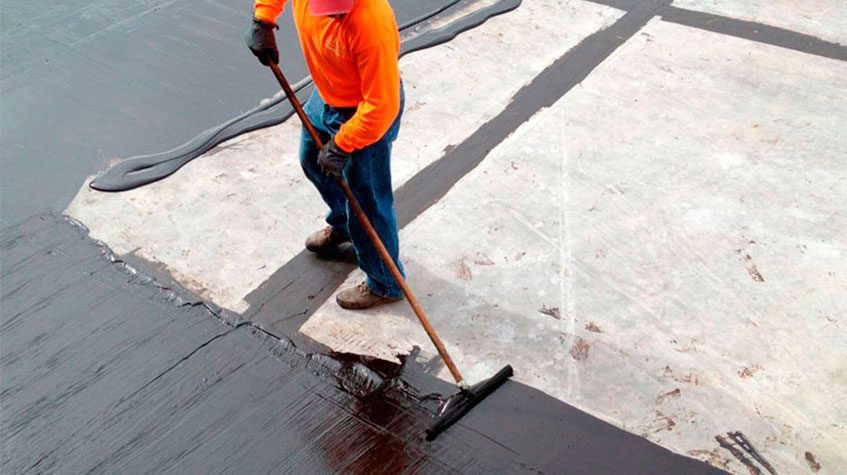
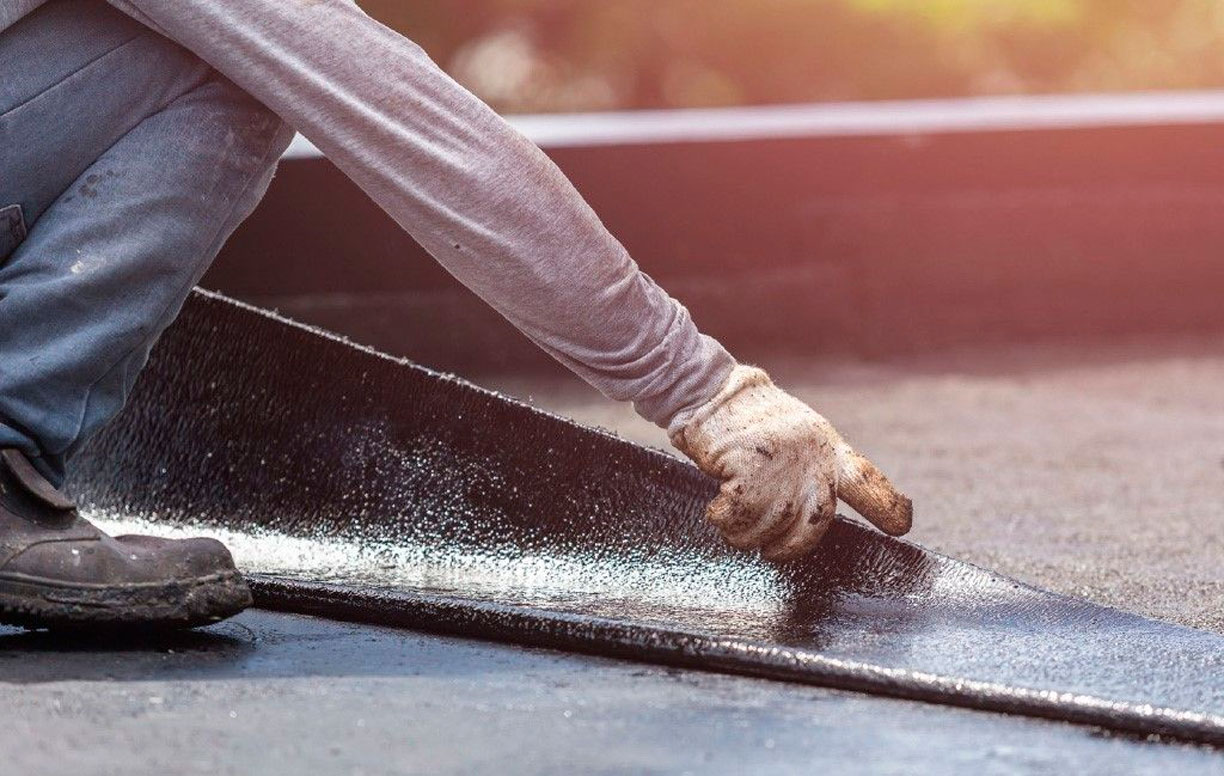
Waterproofing with asphalt membranes is a commonly used method to protect horizontal and vertical surfaces against water infiltration. These membranes are composed of layers of asphalt and waterproofing materials that form a water-resistant barrier. The installation of asphalt membranes involves the application of heat or adhesives to ensure proper adhesion to the surface.
This system offers excellent water resistance and a long service life, providing effective protection against moisture and leaks in architectural structures.
It is important to follow the manufacturer’s recommendations and rely on specialized professionals to ensure proper installation and performance of asphalt membranes.
Rubber linings
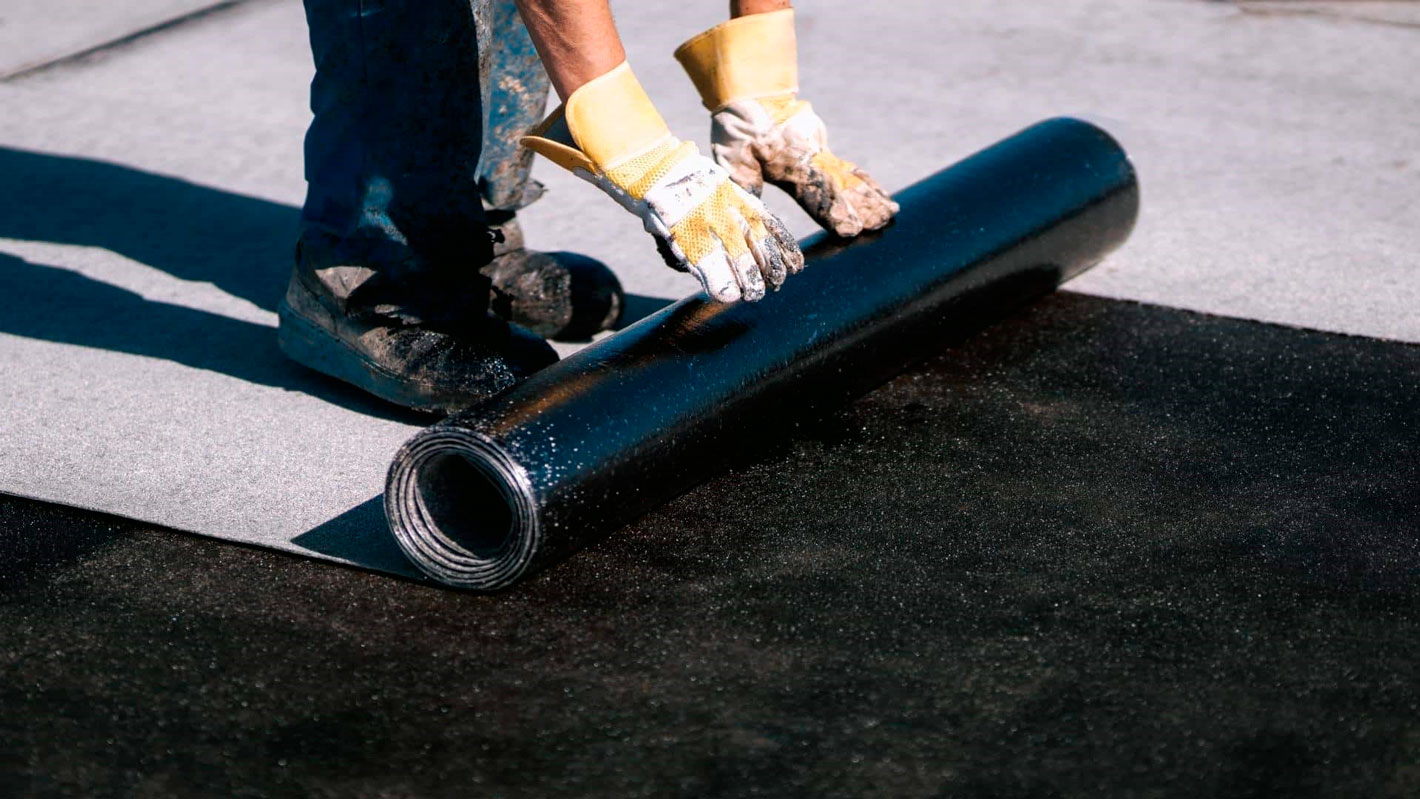
Waterproofing with rubber liners is another popular method used to protect surfaces against water infiltration. These liners are made of synthetic rubber, such as EPDM (ethylene propylene diene monomer) or TPO (thermoplastic polyolefin), which are highly flexible and durable. Rubber coatings are applied to the surface to be waterproofed and bonded by adhesives or sealing methods. These materials offer excellent water resistance, are highly elastic and can be adapted to different shapes and sizes of surfaces.
In addition, they are resistant to UV rays and extreme weather conditions. The installation of rubber linings requires specialized skills and adherence to the manufacturer’s instructions to ensure effective protection against moisture and leaks in architectural projects.
Waterproofing paints
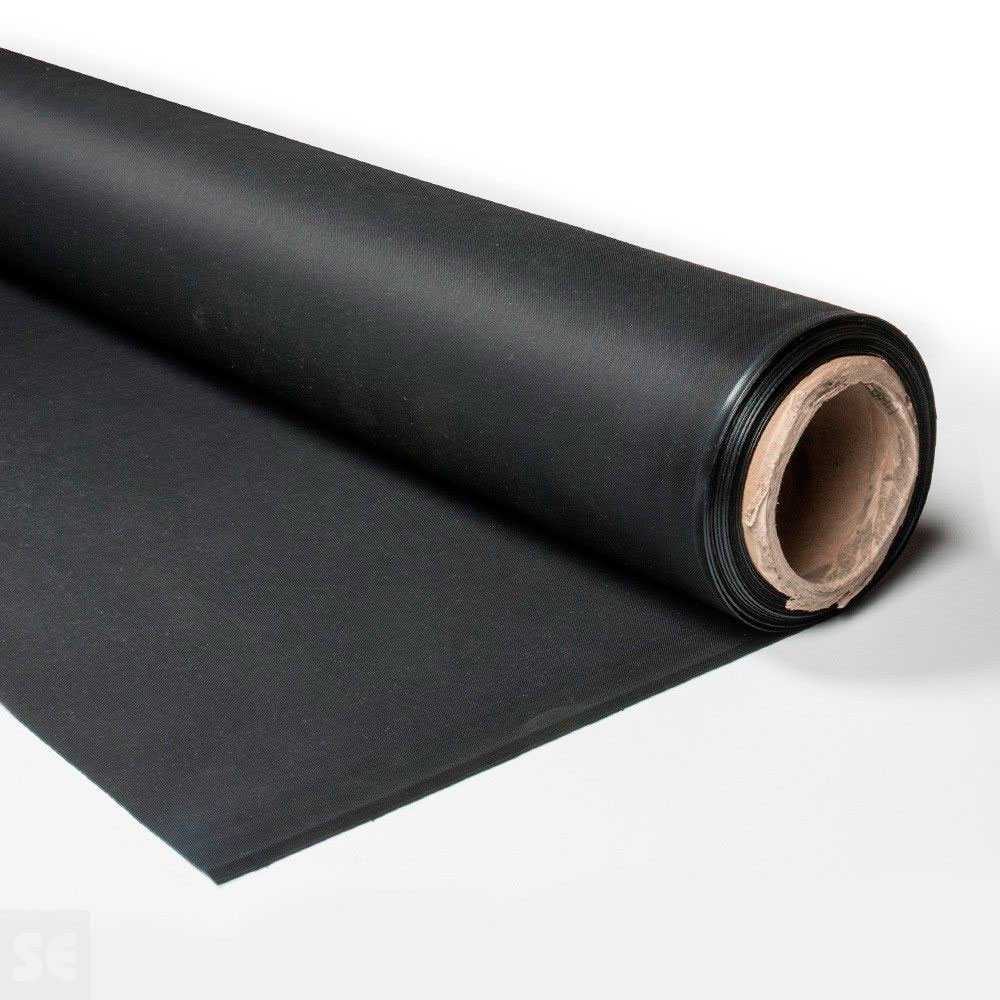
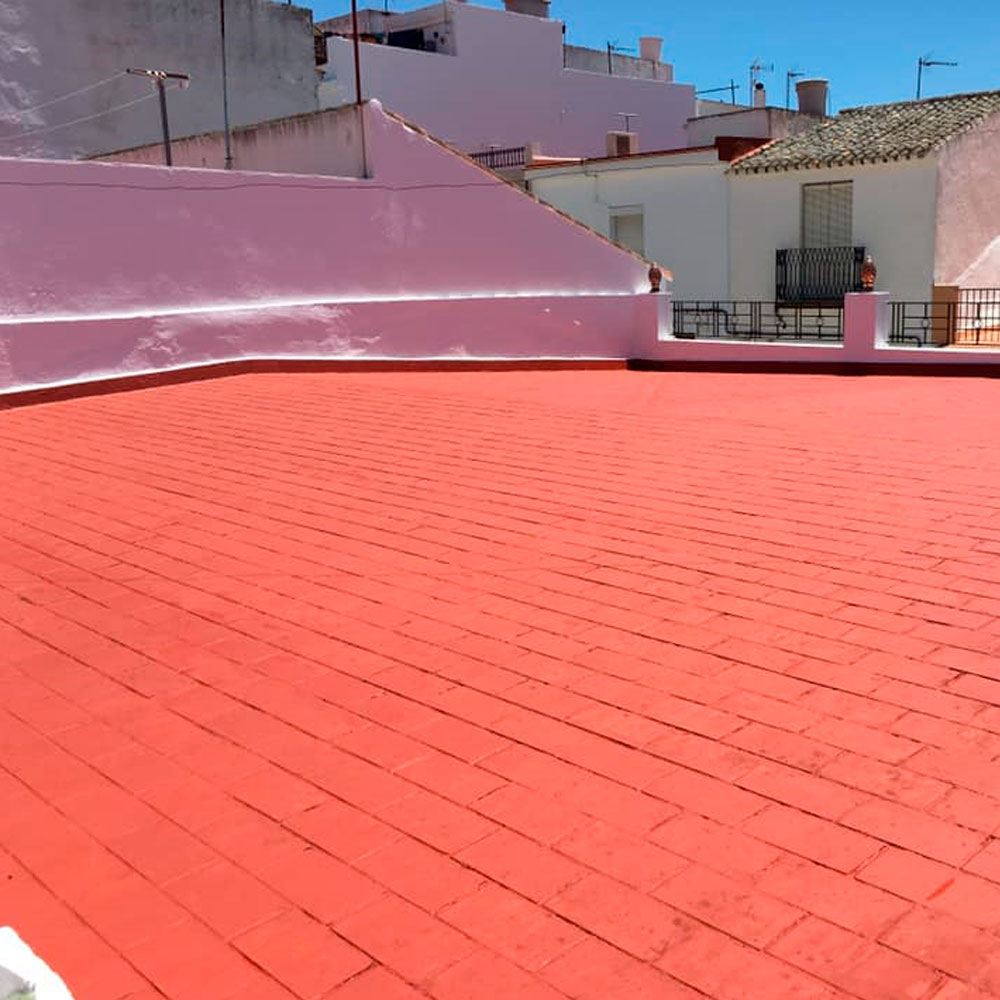
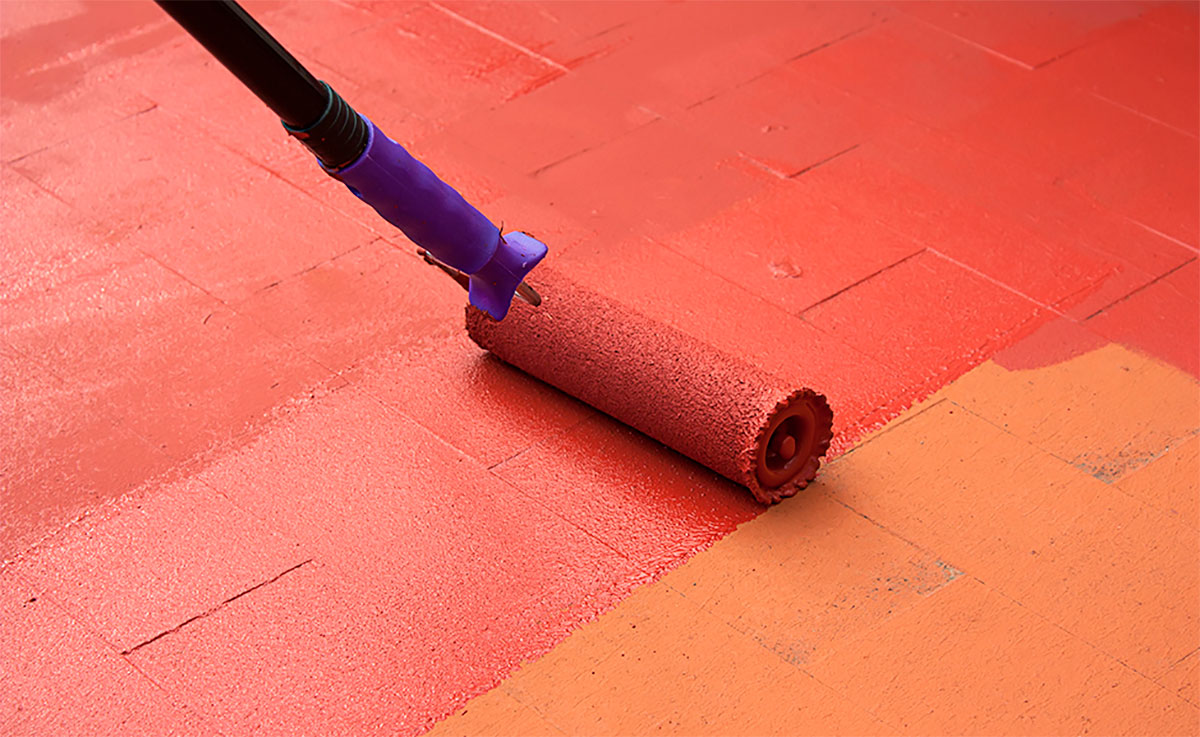
Waterproofing with waterproofing paints is a simple and versatile method to protect surfaces against water infiltration. These paints contain special additives that give them waterproof properties, forming a protective layer on the applied surface. Waterproofing paints can be used on different types of surfaces, such as roofs, walls, floors, among others. They are applied by brush, roller or spray gun, and dry to form a water-resistant barrier.
It is important to follow the manufacturer’s instructions regarding surface preparation, number of coats required and drying times. Although waterproofing paints offer basic protection against humidity, it is advisable to use them in combination with other waterproofing systems, especially in areas with high exposure to water or in very humid climates.
Written by Sofía Scollieri, published by Cronotopos Arquitectura