
The rise of modular architecture and its many options
Modular architecture represents a revolutionary trend in the field of design and construction that challenges traditional conventions with an innovative and efficient approach.
Its main key is flexibility in three different aspects such as functionality, technology and aesthetics.
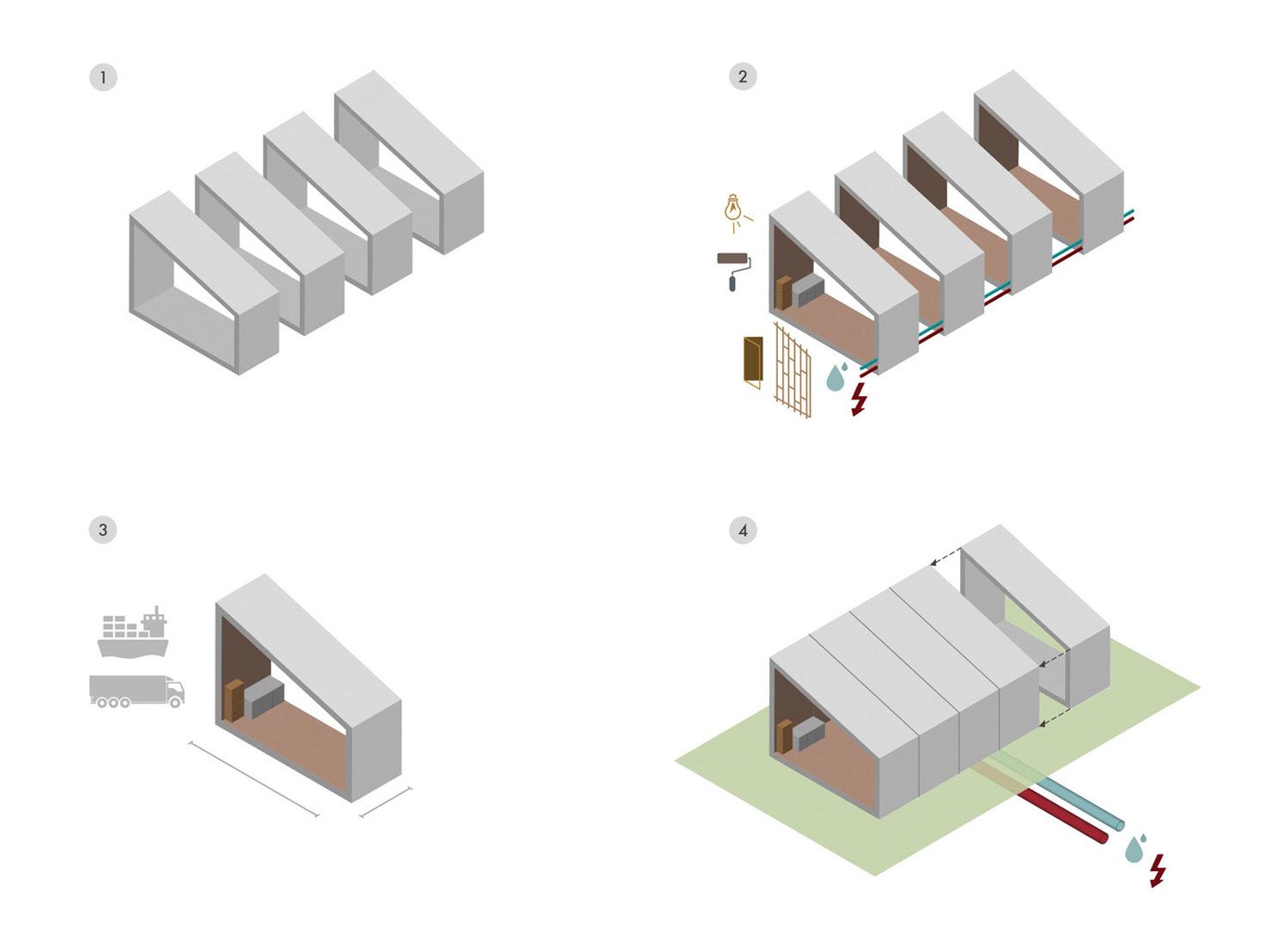
This architecture manages to adapt to a wide variety of needs and contexts, ranging from small houses to large buildings, thanks to the standardization of its modules with which it has greater efficiency in the production and construction process.
Functional flexibility
Functional flexibility lies in the ability to scale the design according to project requirements. Modules can be designed to achieve significant customization of both interior and exterior space. This is a great benefit in projects where rapid modifications and adjustments are required as both customer requirements and environmental conditions evolve.
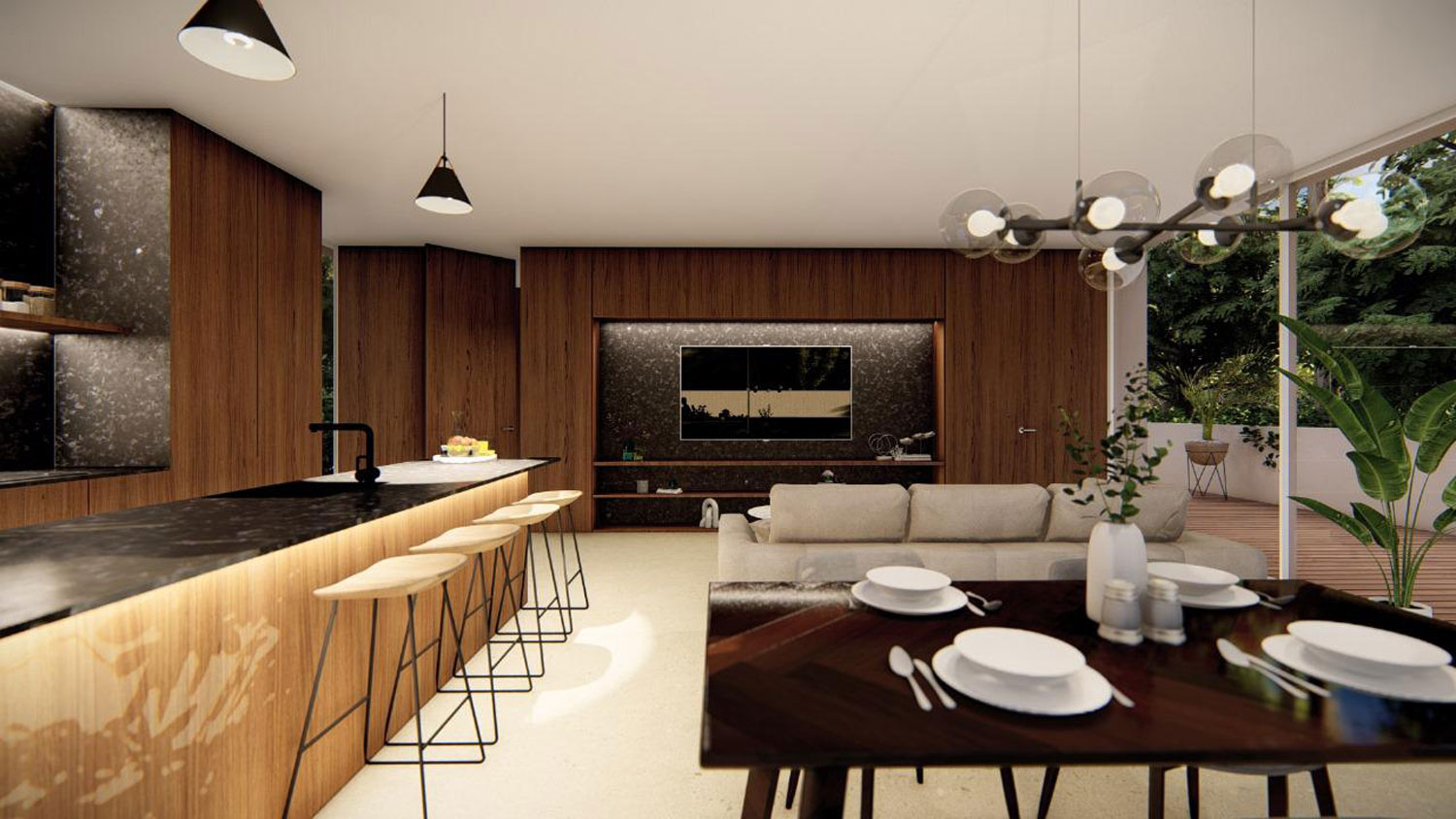
In addition, this adaptability in its design extends to the ability to reuse, reconfigure and relocate the modules. This is a big difference with permanent structures since these modules can be disassembled and moved to another location or adapted to changes in the use of space, user preferences or technological advances.
A practical example could be a modular office building that can be easily reconfigured into a coworking space by adding or removing modules on demand. This not only optimizes the use of space, but also allows owners to respond quickly to market trends.
This flexibility can also be extended to residential buildings such as modular housing. These are designed to grow with the needs of their occupants. This not only improves the functionality of the home, but can also increase its long-term value.
Technological flexibility
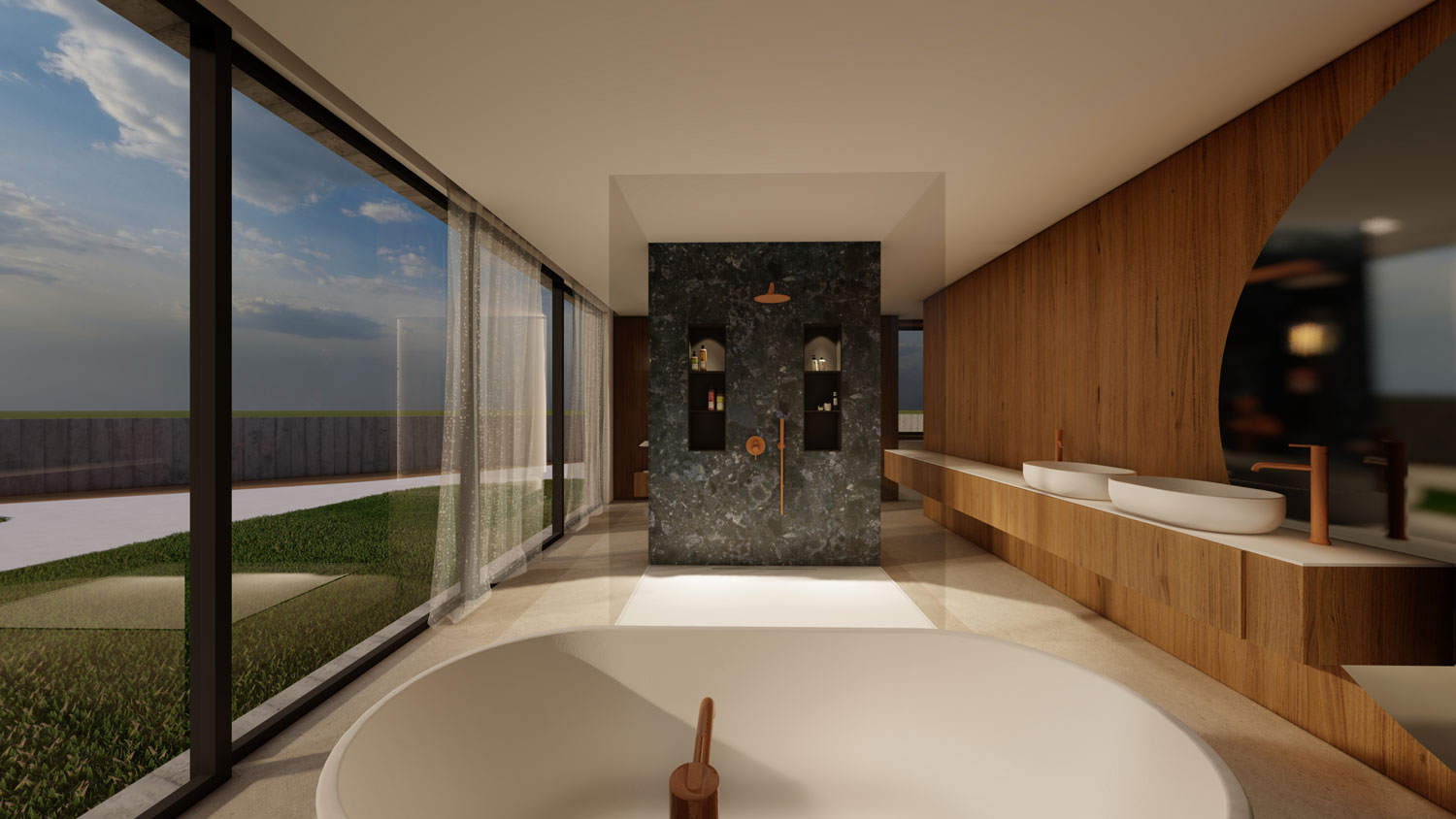
Technological flexibility is based on the easy integration of emerging technologies and advanced construction systems in a more efficient way, as well as the use of different materials for the construction of the modules.
There are three types of modular architecture in terms of materials. These are modular architecture in steel, concrete and wood. Each has slight competitive advantages over the others, but if one had to choose one for its versatility, it would be wood.
Of all of them, it is the modular construction that adapts most easily to technological needs, consumes the least resources during construction and is the one that best adapts to energy requirements in areas with lower temperatures.
Aesthetic flexibility
Aesthetic flexibility is no longer limited by the standardization of modules in timber or steel construction, but in other modular buildings such as concrete construction that rely on pre-engineered formwork, which can restrict design options compared to custom construction methods.
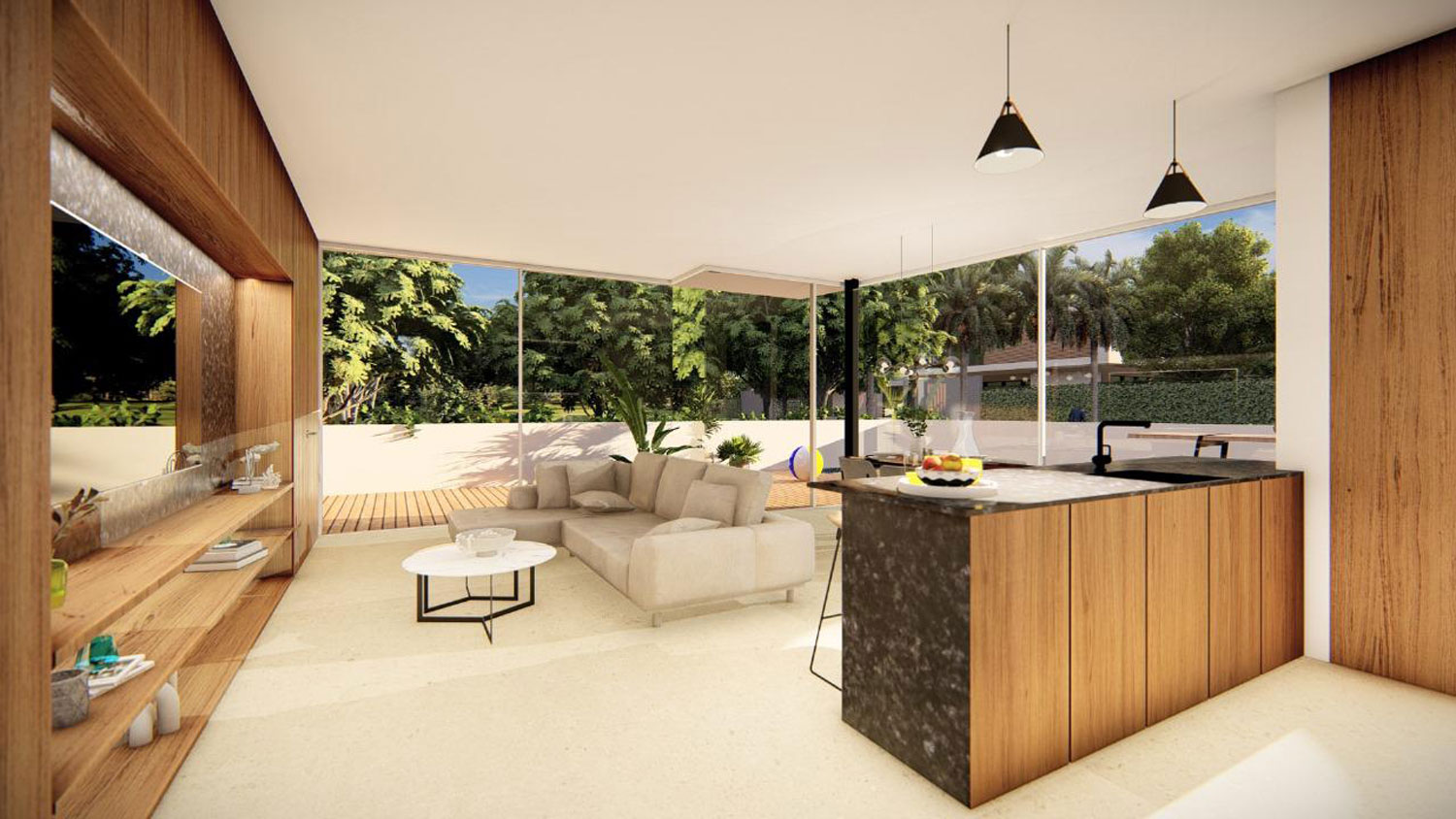
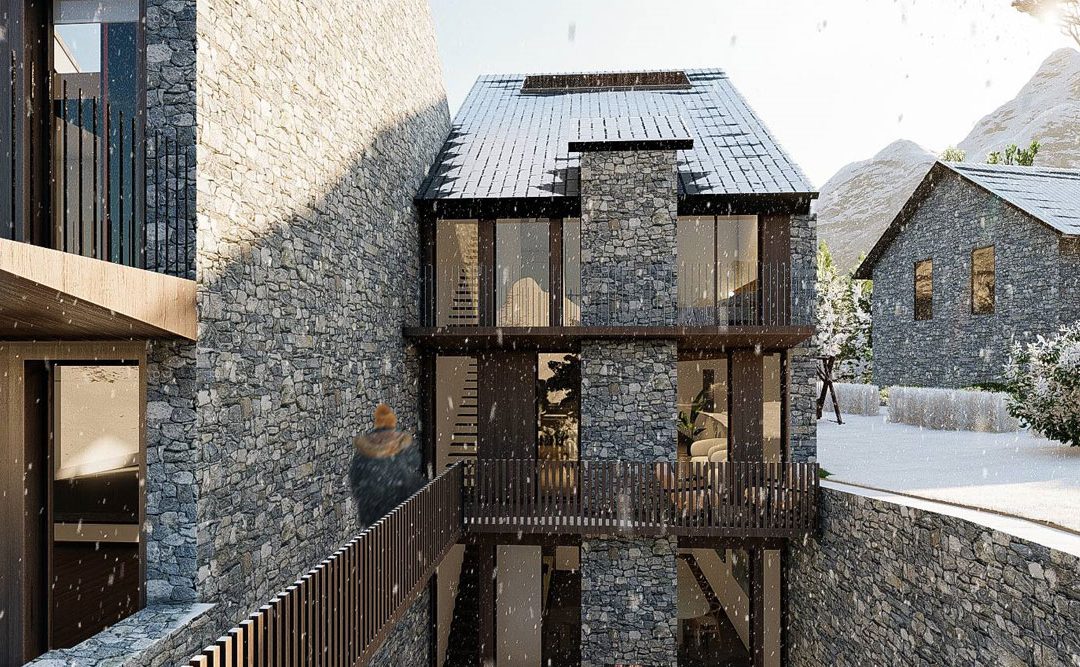
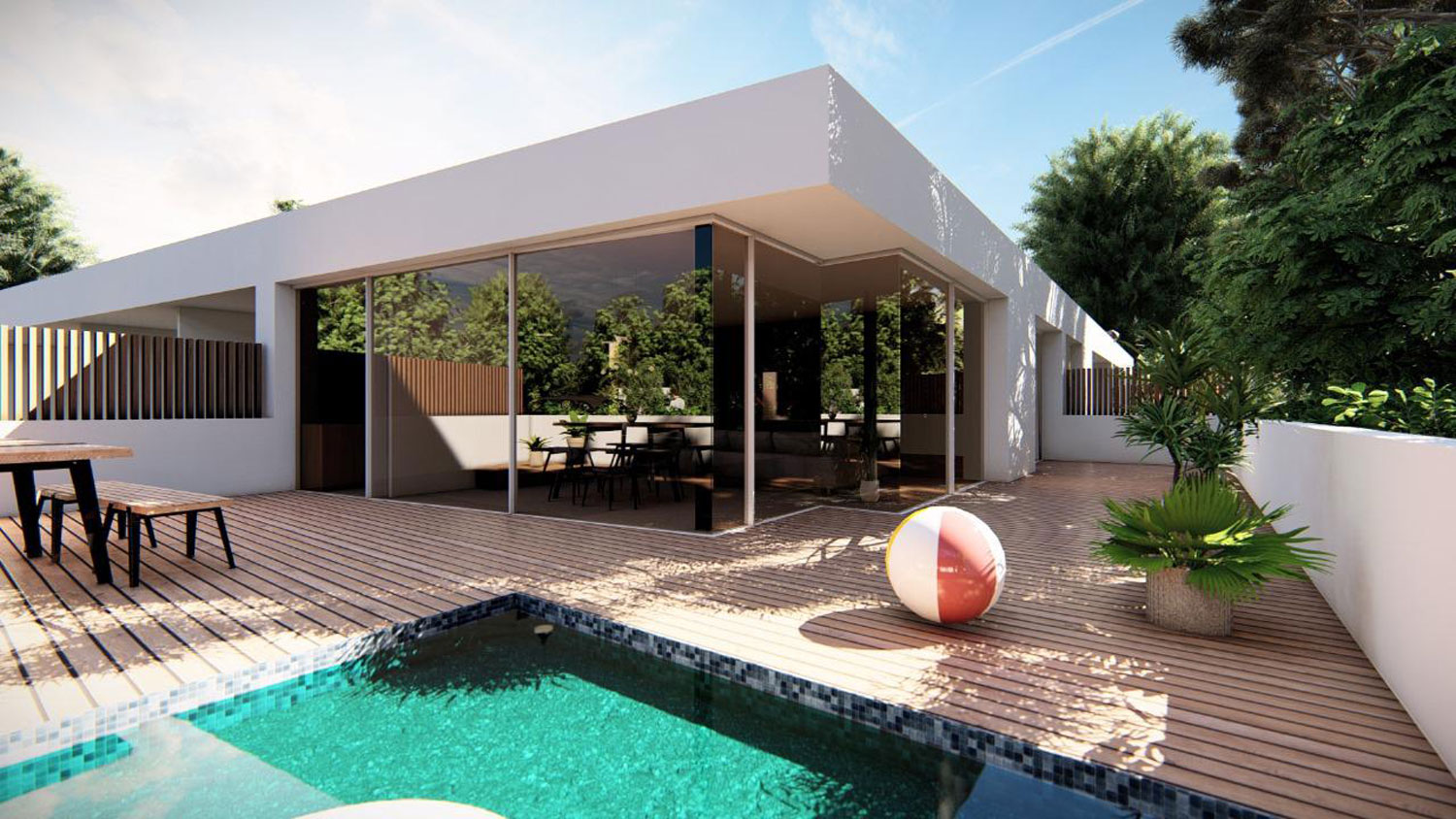
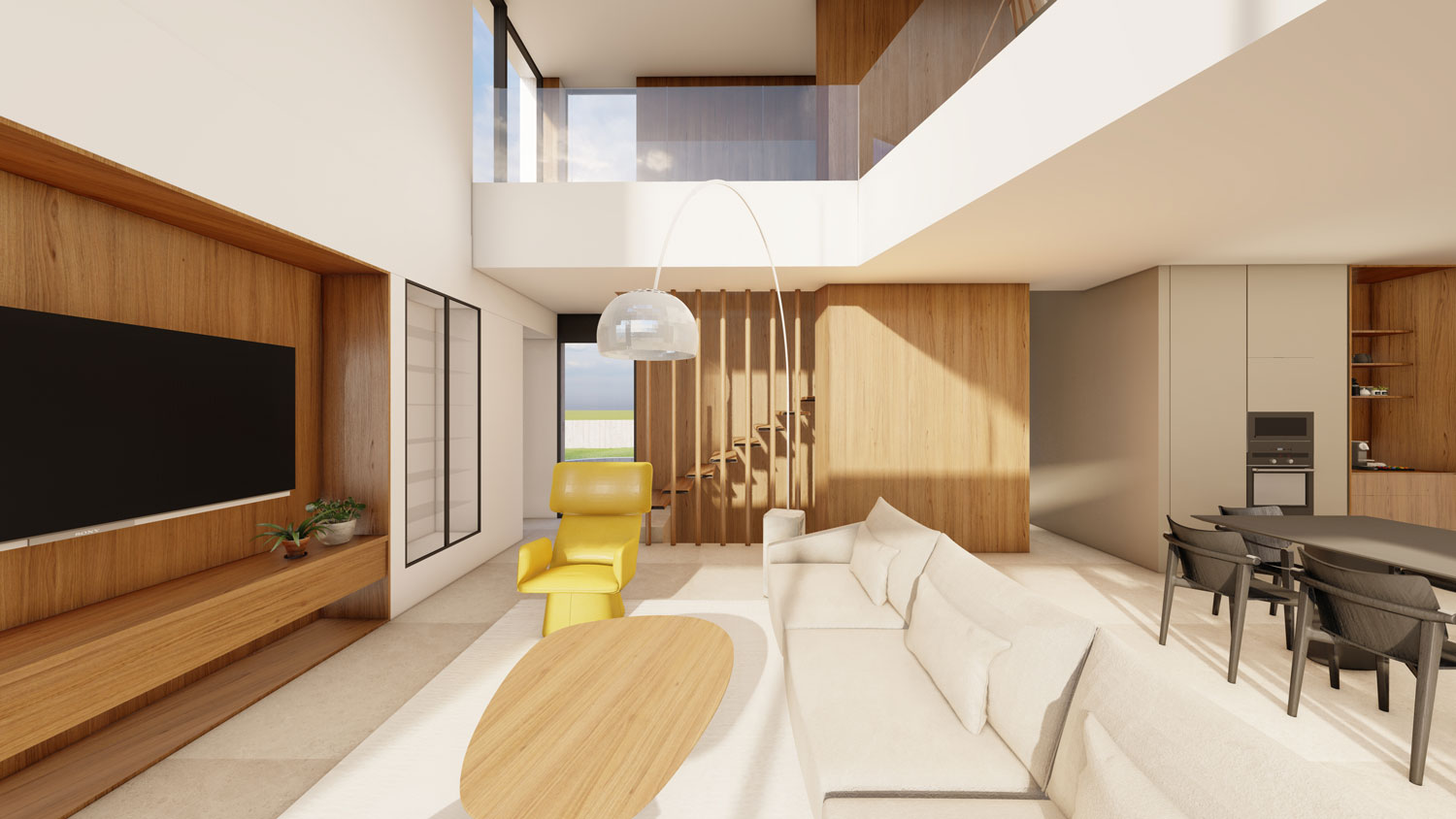
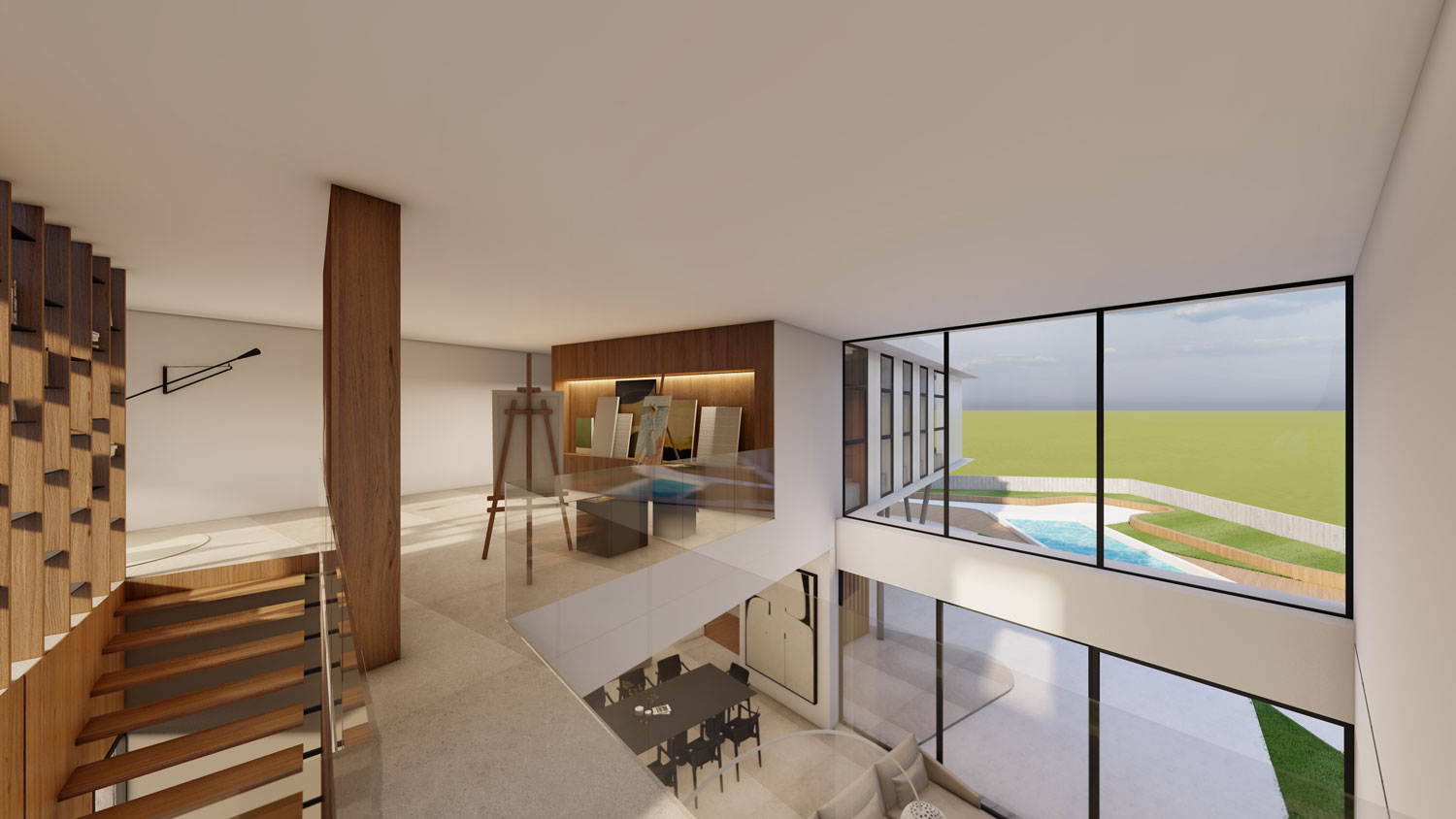
Modular architecture in steel and wood allows architects to create structures that are not only energy efficient and functional, but also aesthetically stand out with the expectations of both the client and the environment. Creating constructions that adapt to the requirements of a historic center in Zaragoza, the stone and slate tiles of a house in the Aragonese Pyrenees at an altitude of 2000 m or a whitewashed villa on the Costa del Sol.
Written by Laura Luz, published by Cronotopos.