
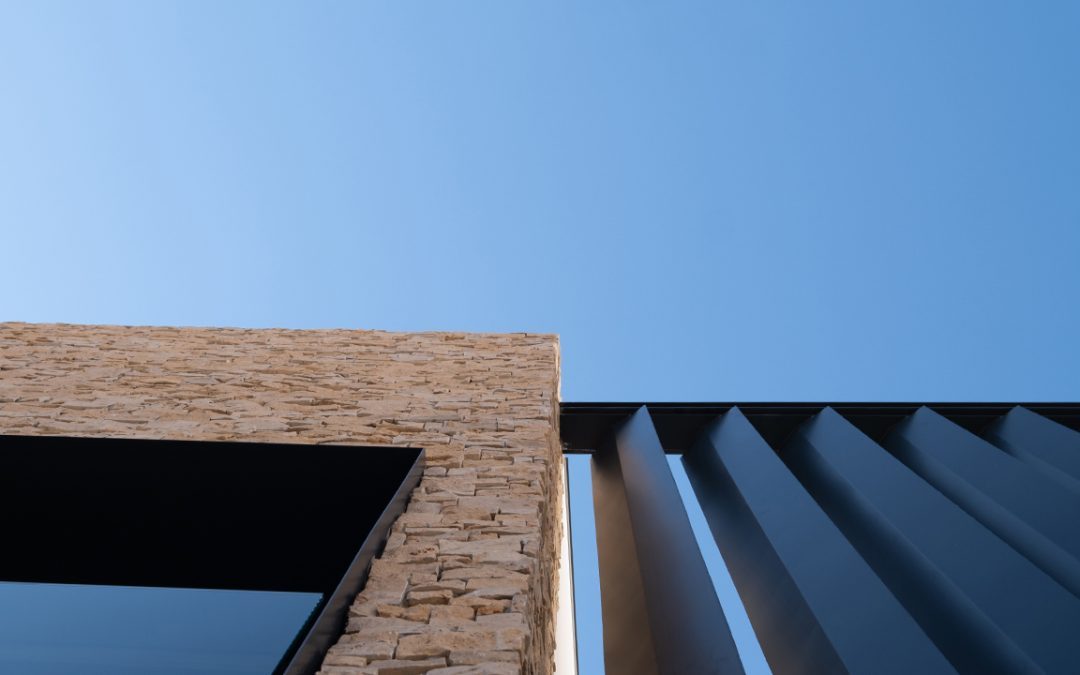
Prefabricated architecture has its roots in the Industrial Revolution.
The construction industry is undergoing a quiet revolution through modular and prefabricated architecture. At Cronotopos we are aware of this significant revolution. Prefabricated architecture has its roots in the Industrial Revolution, when the advancement of manufacturing enabled the mass production of building components. Throughout the 20th century, this technique established itself as an economical and efficient solution, especially in the construction of housing and modular buildings. Today, prefabrication has evolved, combining advanced technology, sustainability and innovative design to meet the demands of the 21st century.
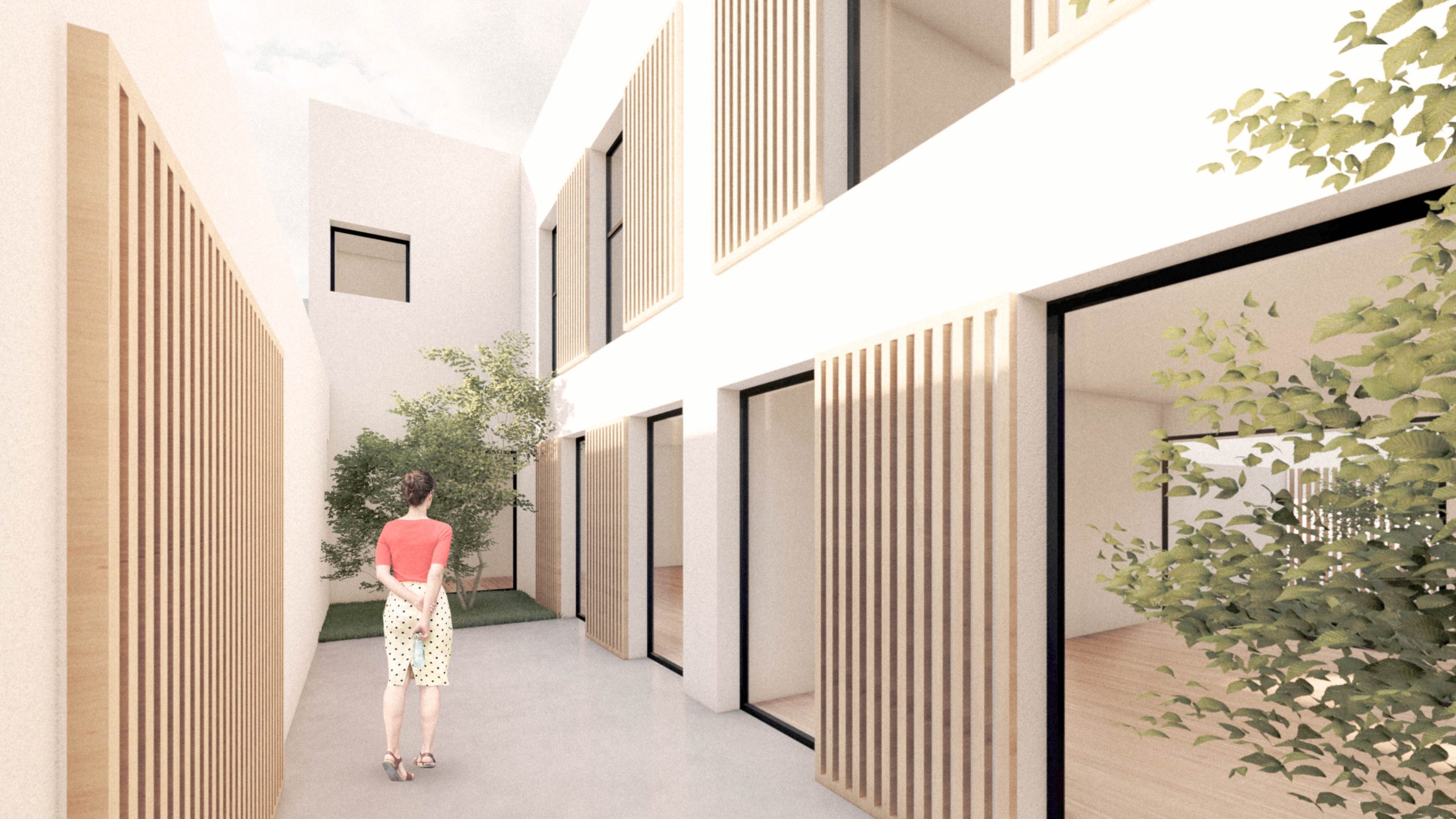
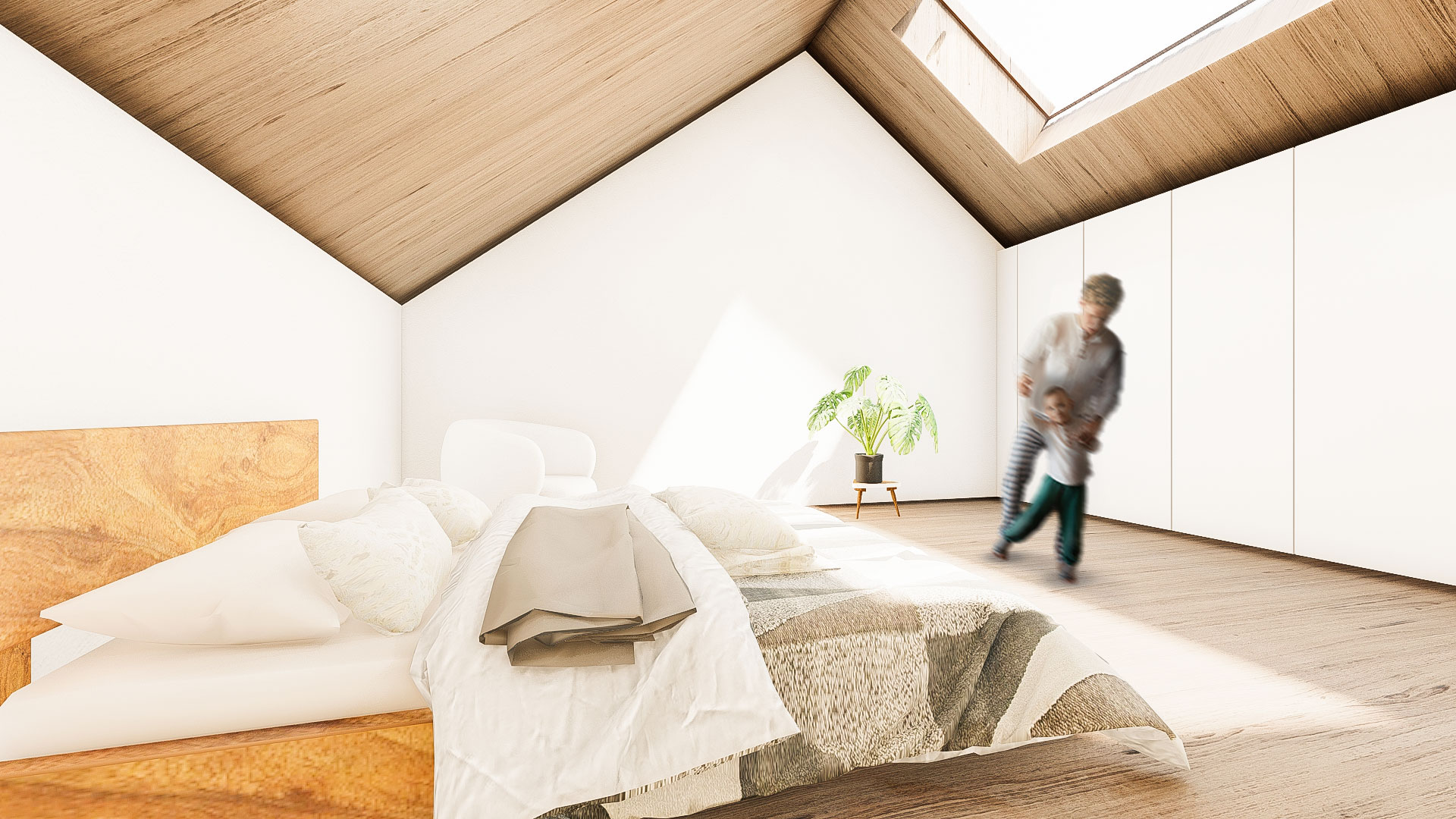
Prefabricated architecture: Flexibility and design
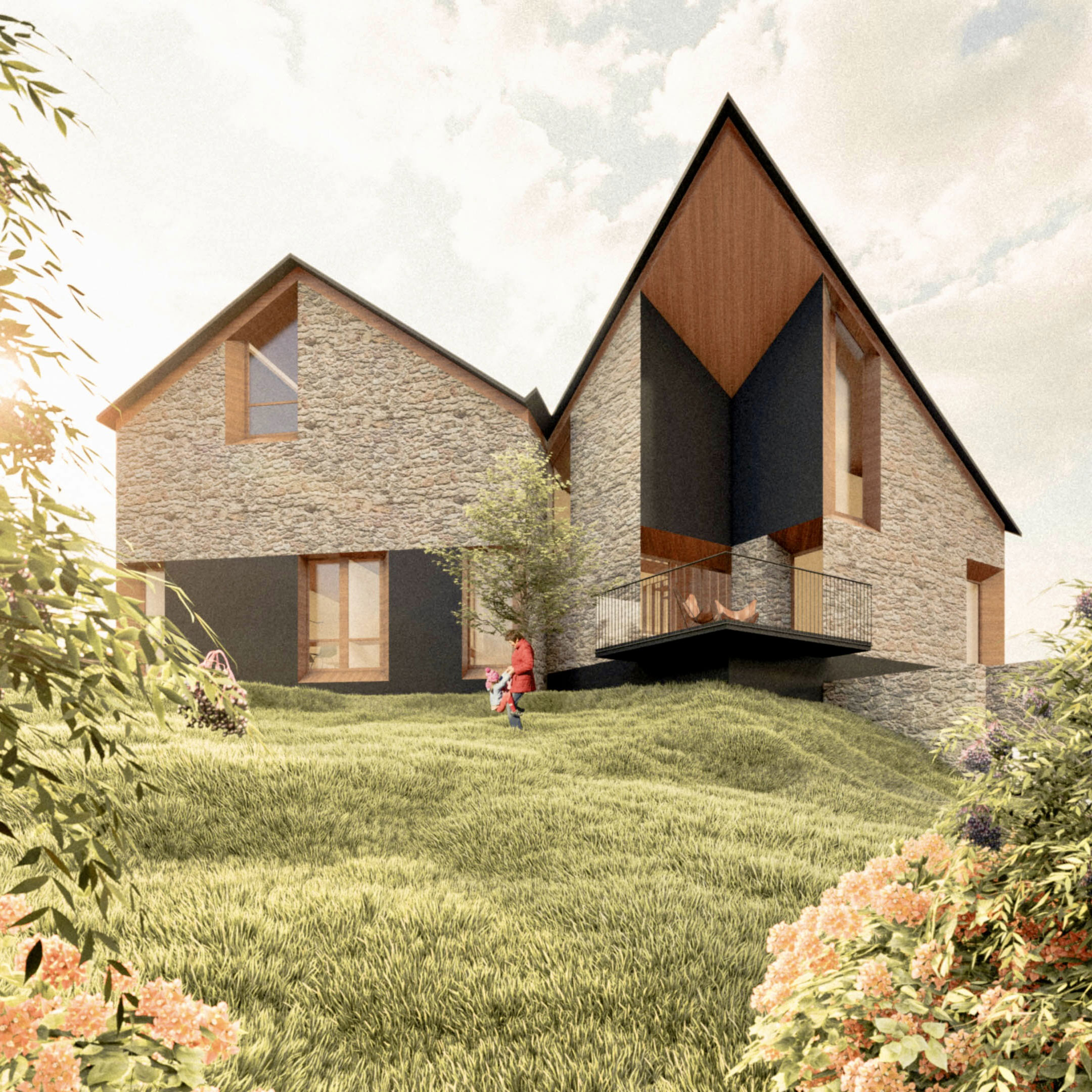
Finally, prefabrication also helps to keep project costs predictable and under control, as a more standardized process reduces the risk of unforeseen cost overruns. This provides clients with greater transparency and financial certainty, making prefabricated architecture an attractive option for those seeking cost-effective and well-planned solutions. Although prefabricated architecture is based on standardized modules, the flexibility in design allows for the creation of fully customized solutions that respond to the specific needs of each client. At Cronotopos, we understand that each project has its own requirements, so we adapt prefabricated components to maximize space utilization, functionality and aesthetics.
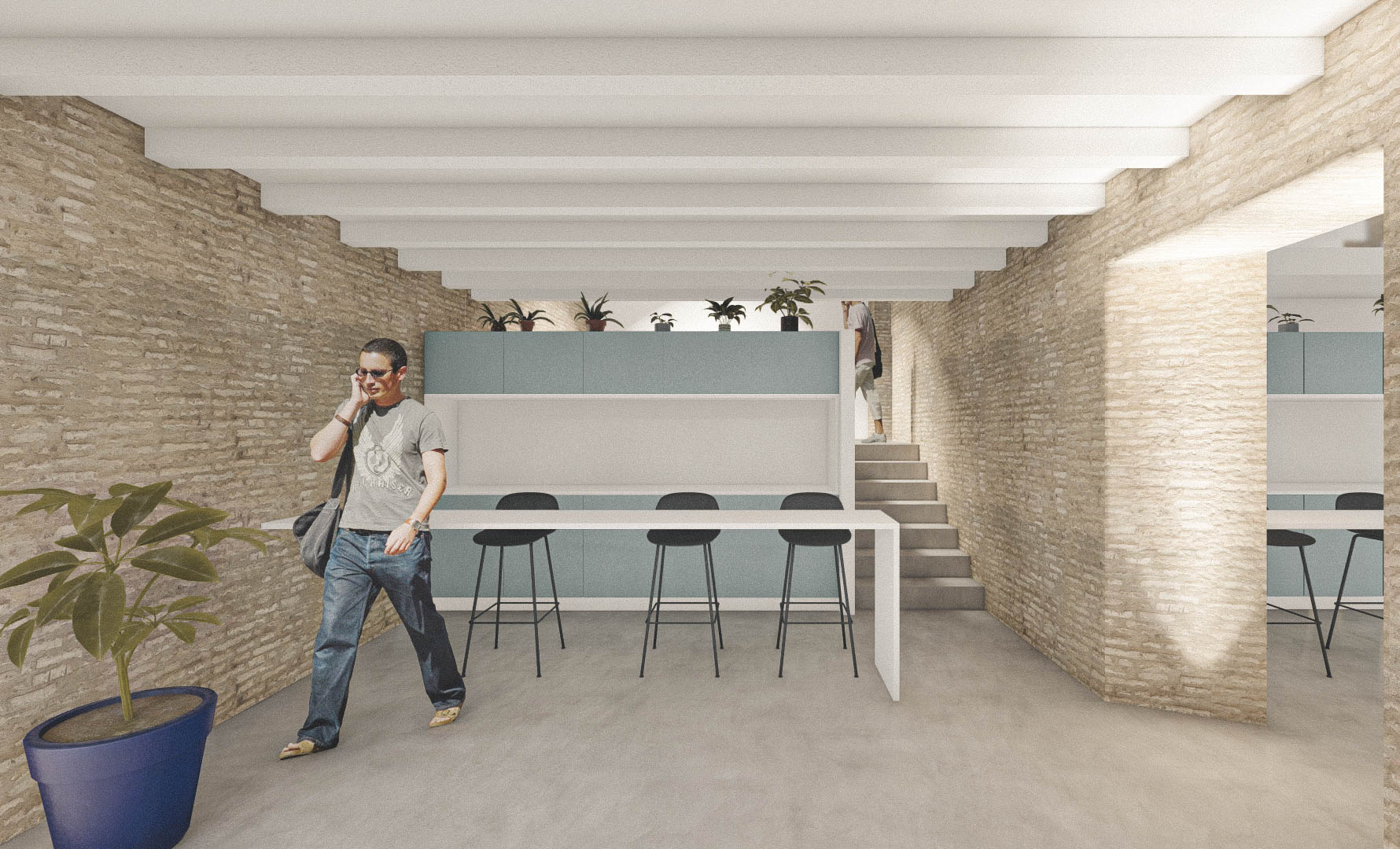
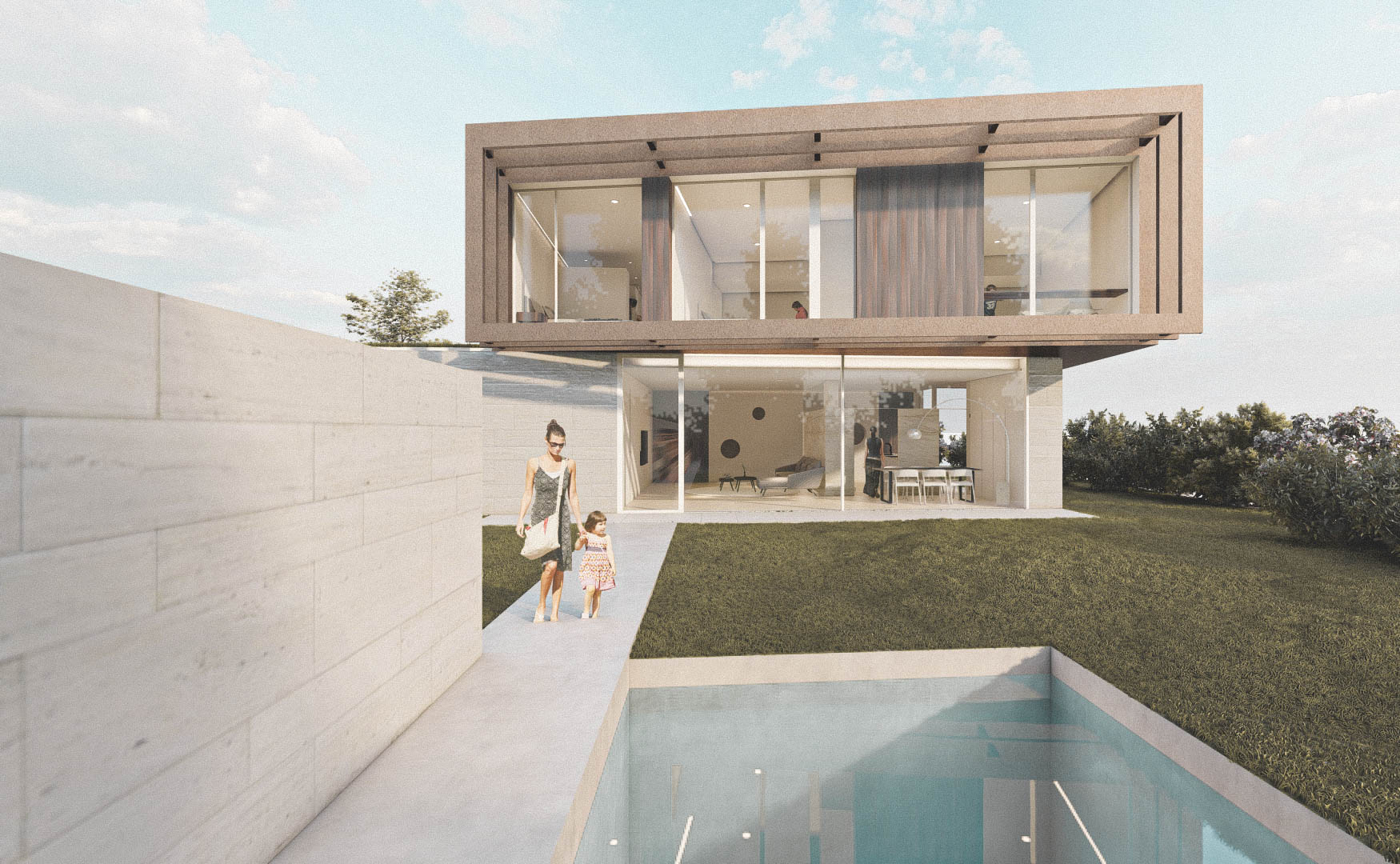
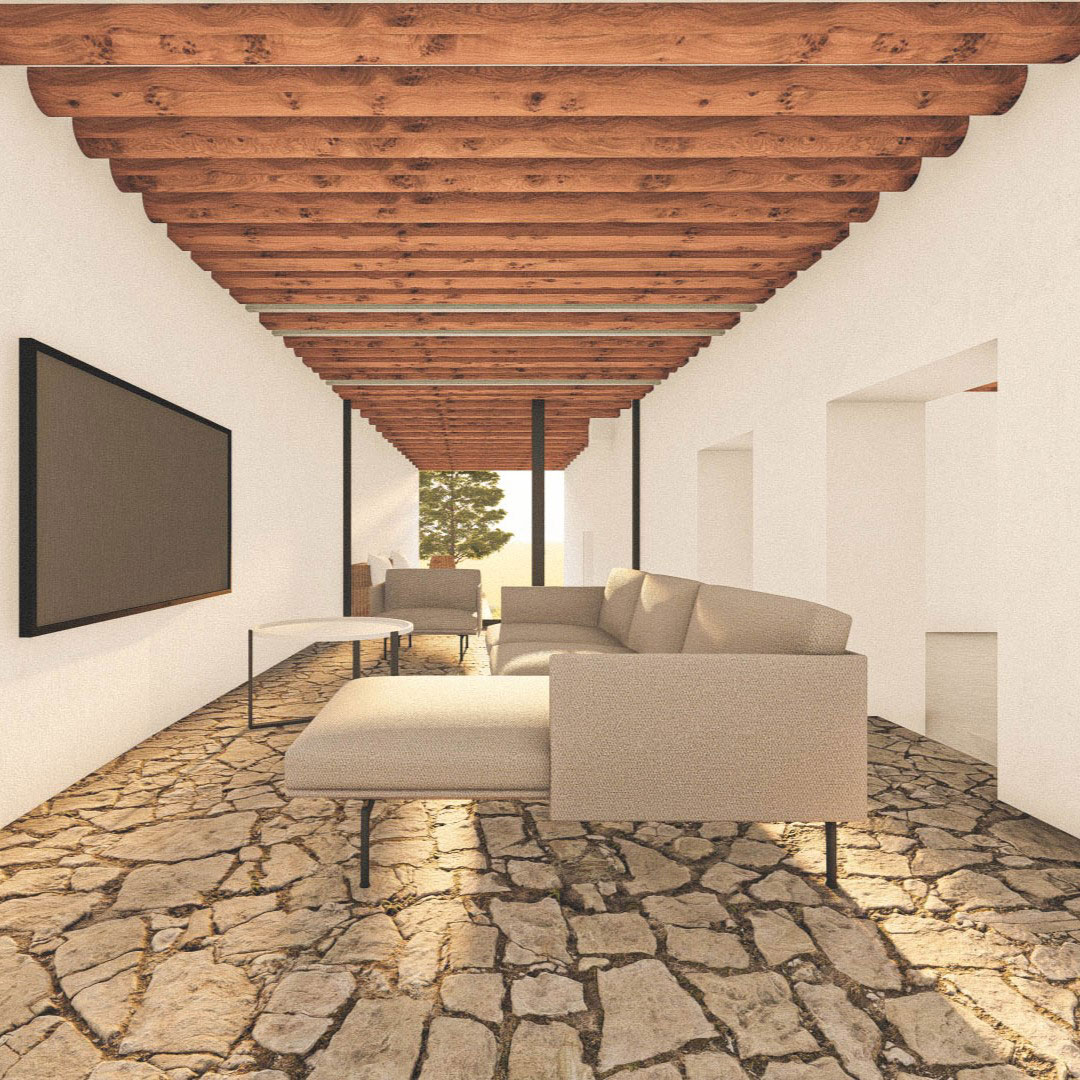
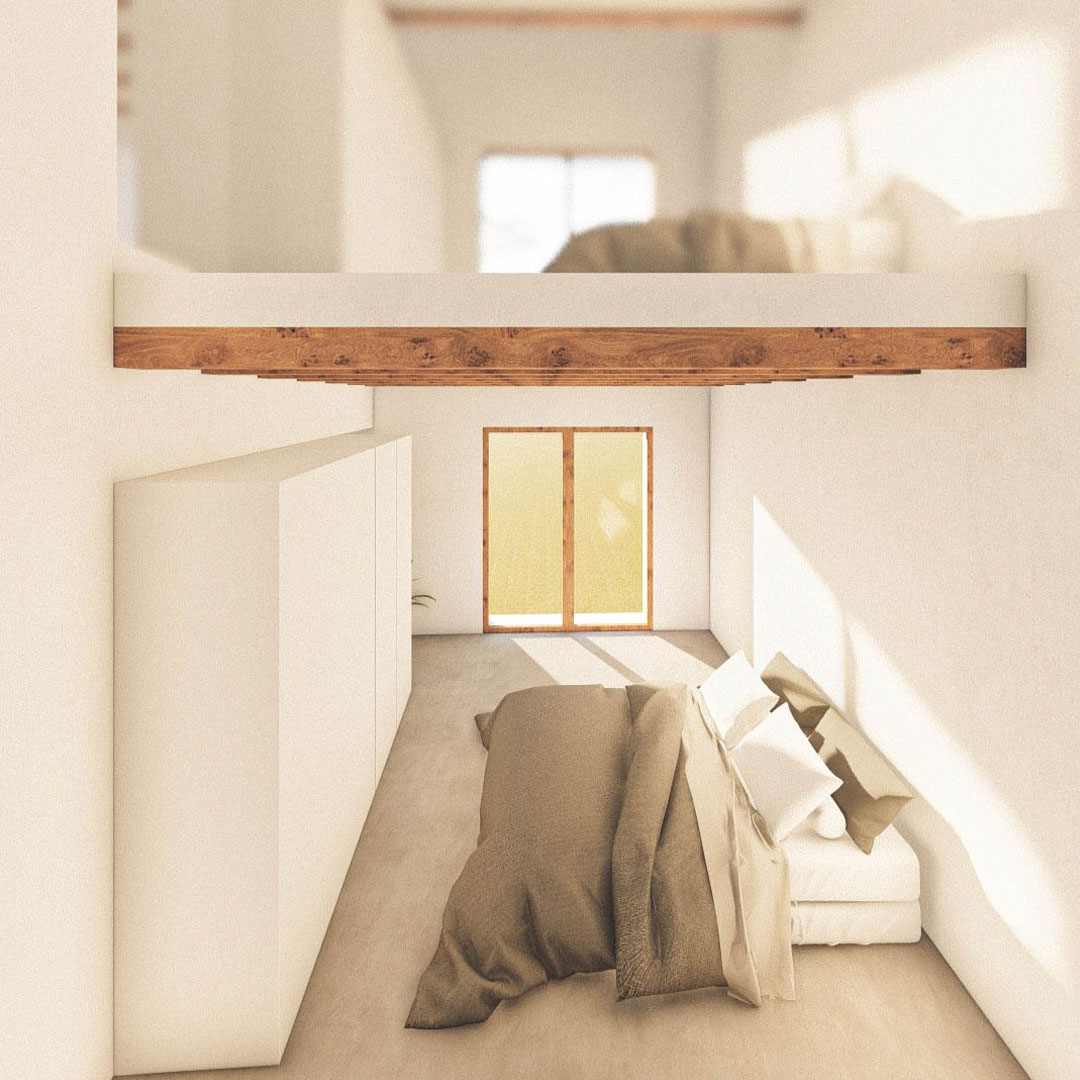
At Cronotopos, we specialize in integrating design, fabrication and execution into a single package, allowing our clients to enjoy a smooth and seamless experience. Our ability to offer complete and customized solutions ensures that each project is perfectly tailored to the expectations and needs of those who rely on us.
Written by Lea Lopes, published by Cronotopos.