
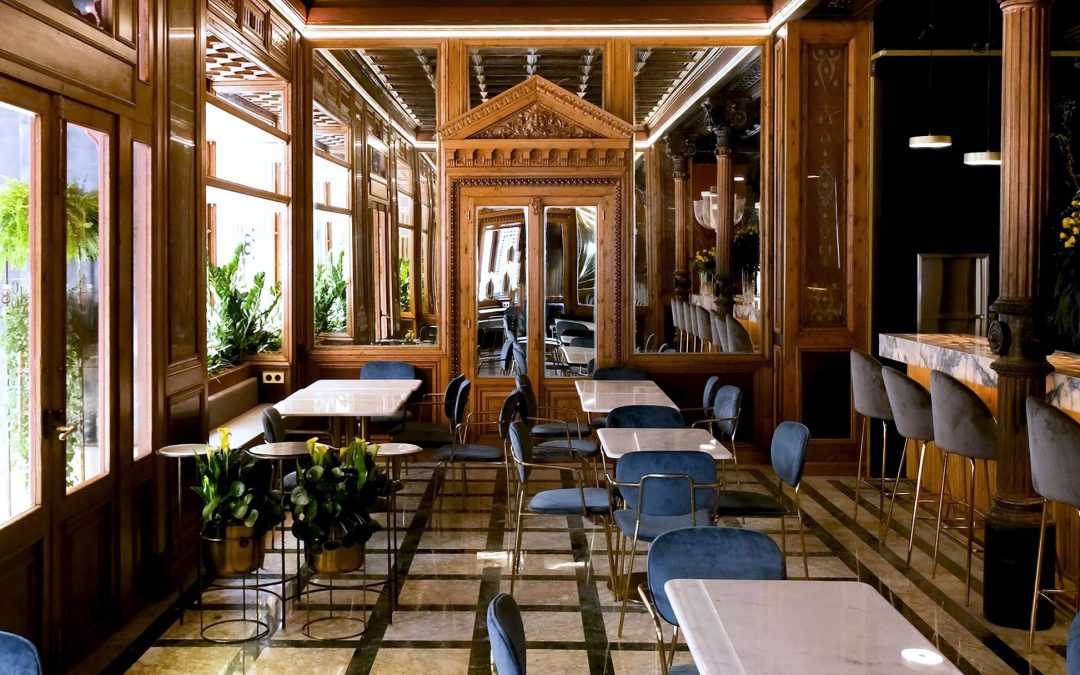
Updating a historic building does not mean giving up its character. Discover the keys to modernize it with a balance between innovation and respect for its architectural value.
Updating a historic building is an architectural challenge that requires a balance between functional modernization and respect for heritage value. The right intervention makes it possible to provide these buildings with modern conveniences and amenities, without sacrificing their essence or their history.
The rehabilitation of a historic building involves preserving its architectural identity while adapting it to the demands of the present. This type of project requires an in-depth knowledge of traditional construction techniques, as well as a sensitive approach to preserving the most representative elements of the building.
Main challenges when rehabilitating a historic building
- Structural conservation: Maintaining the stability of the building can be complex due to the age of the materials and construction techniques.
- Material compatibility: Integrating modern materials without altering the authenticity of the building requires careful selection.
- Regulatory compliance: Heritage protection regulations limit certain interventions, which calls for creative solutions.
- Energy efficiency: Improving insulation and efficiency without affecting the original architecture is a constant challenge.
Architectural strategies for modernization while respecting history
In order to achieve a harmonious intervention in historic buildings, several strategies can be applied:
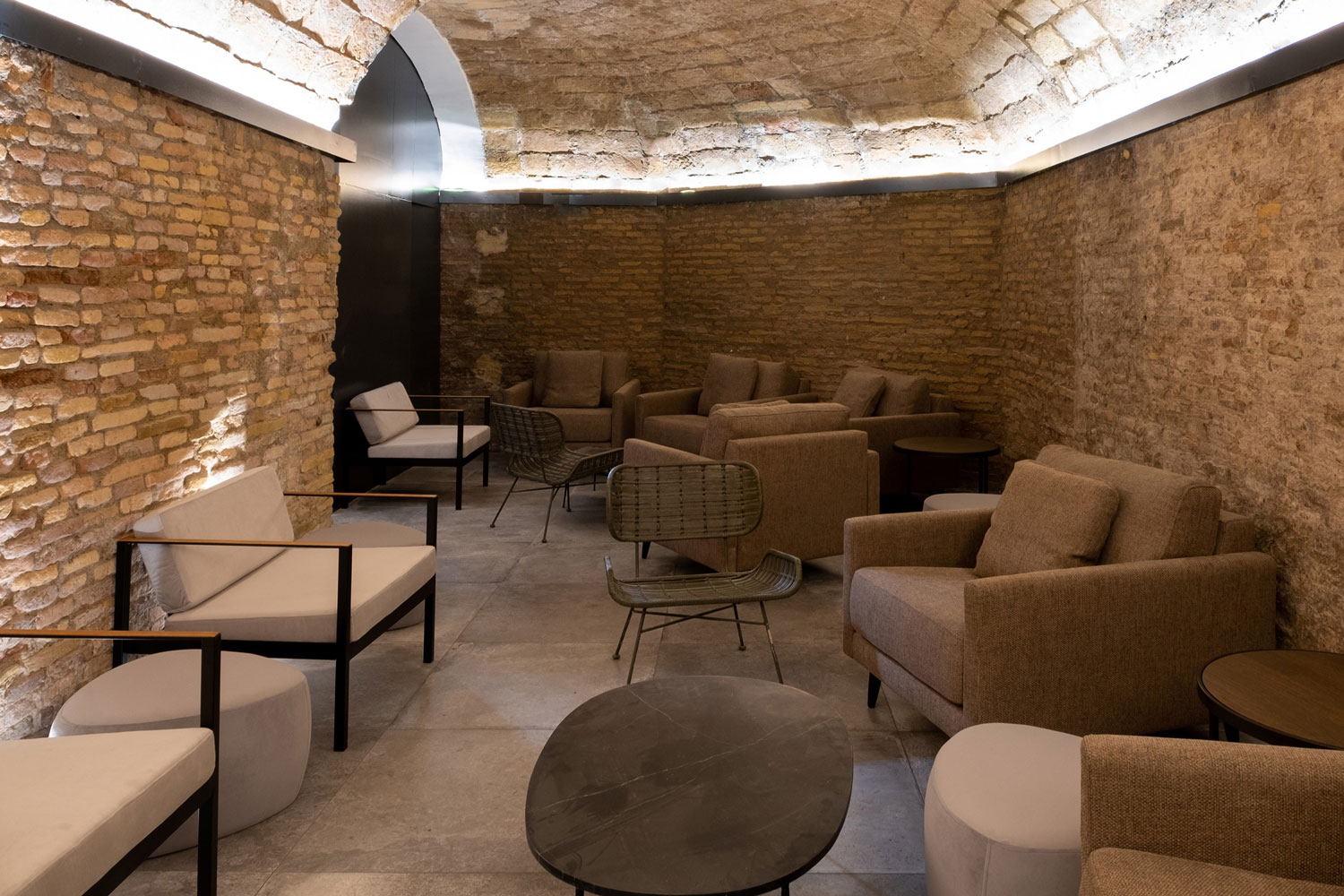
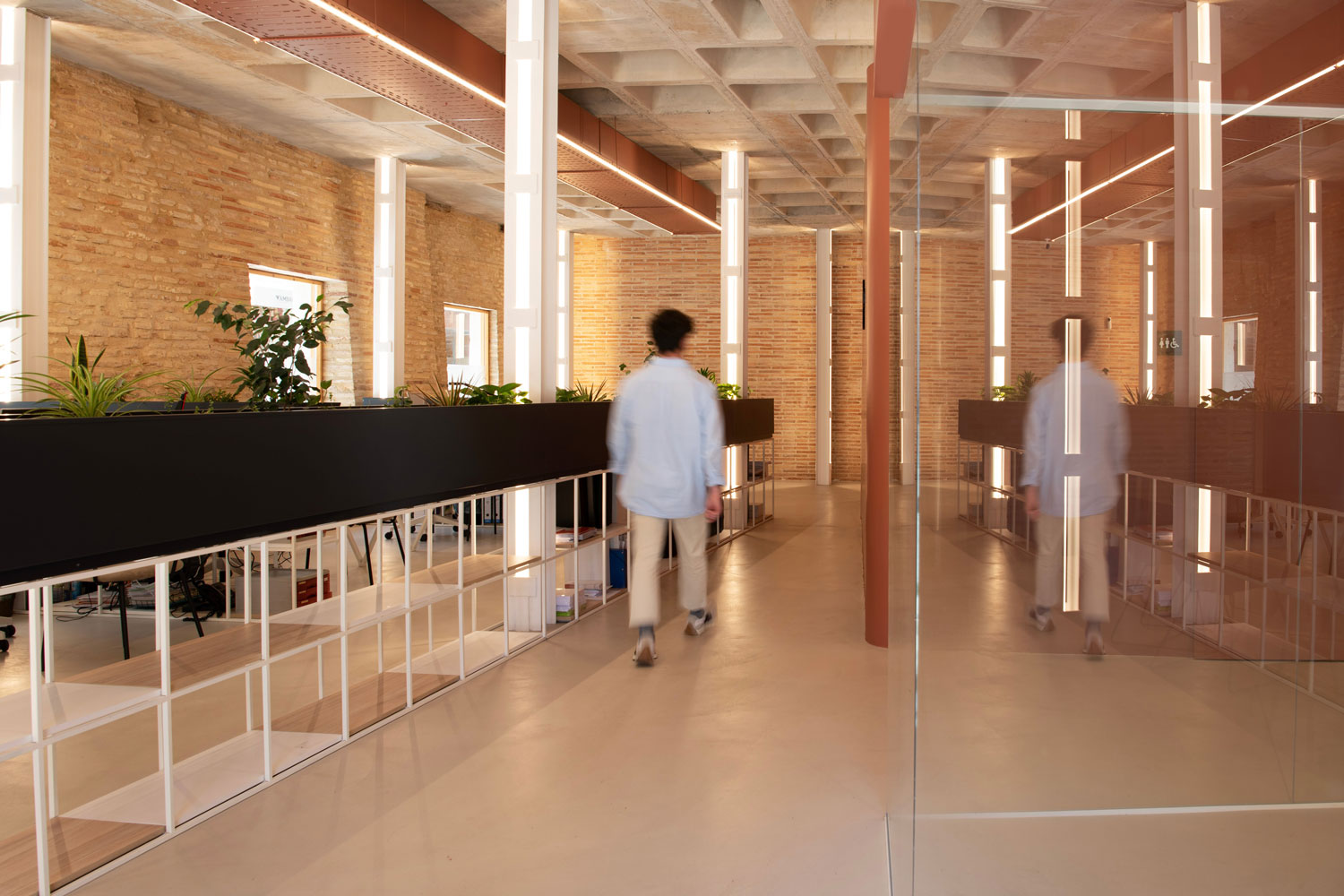
- Integration of new technologies: Incorporate modern air conditioning, lighting and security systems in a discreet manner.
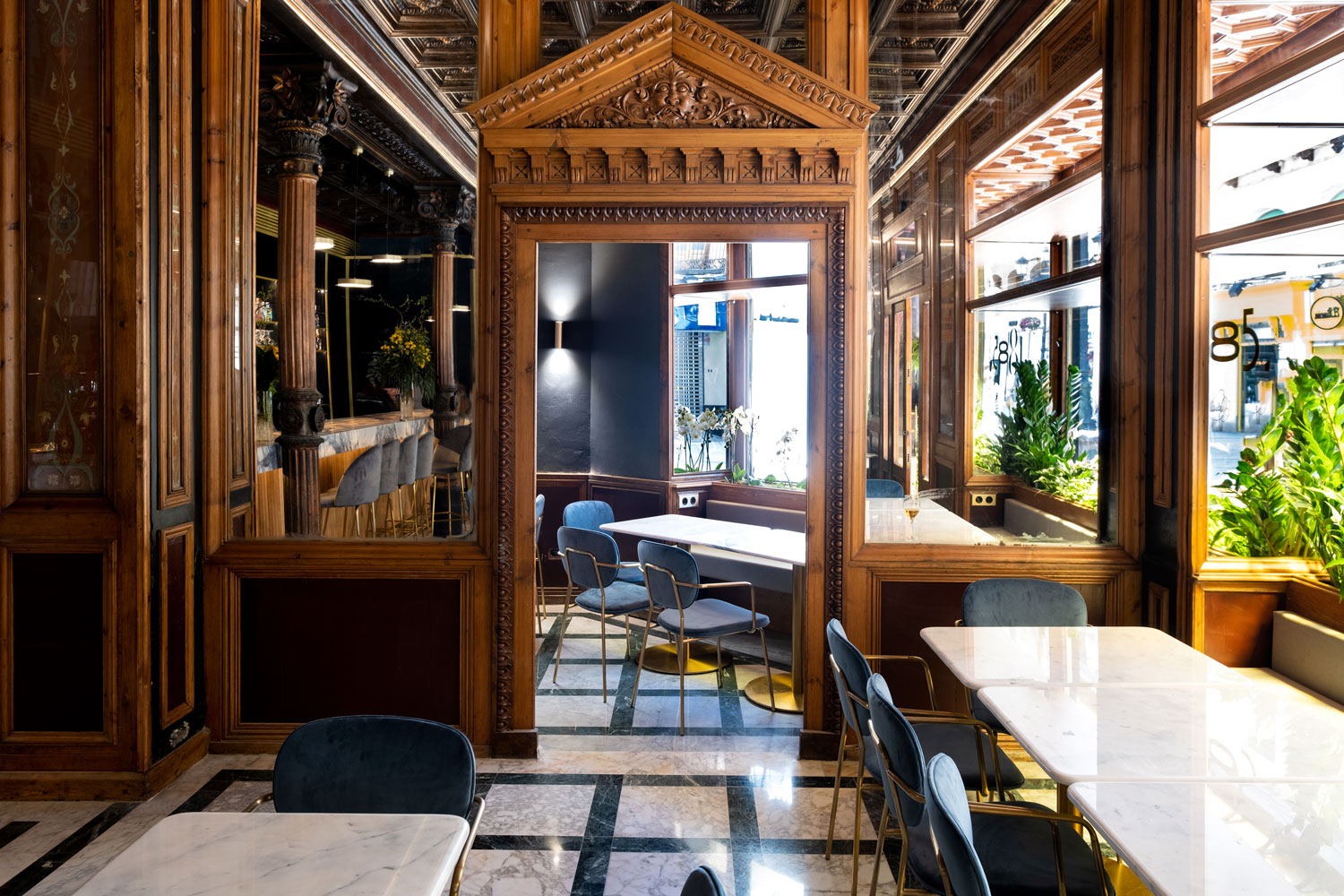
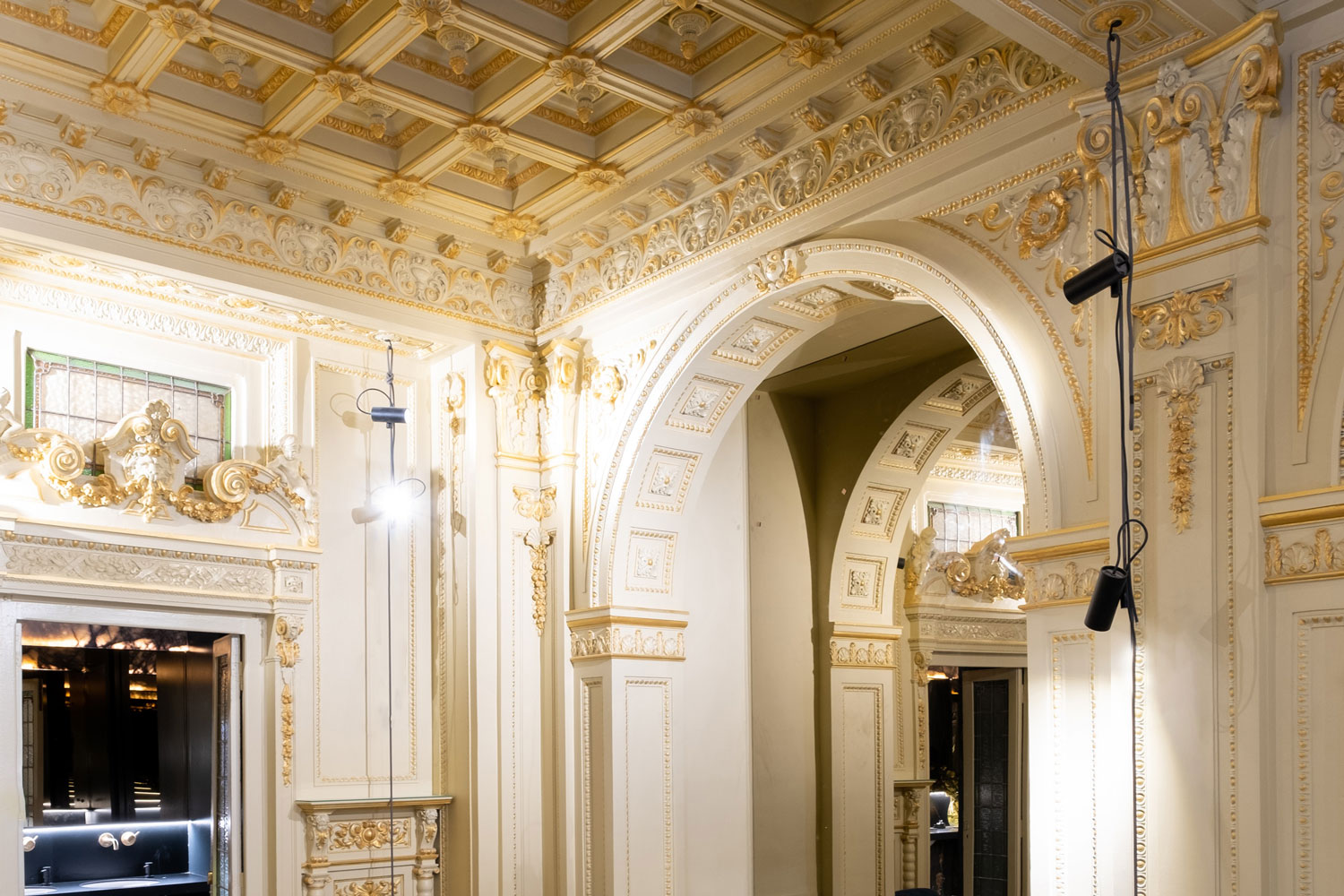
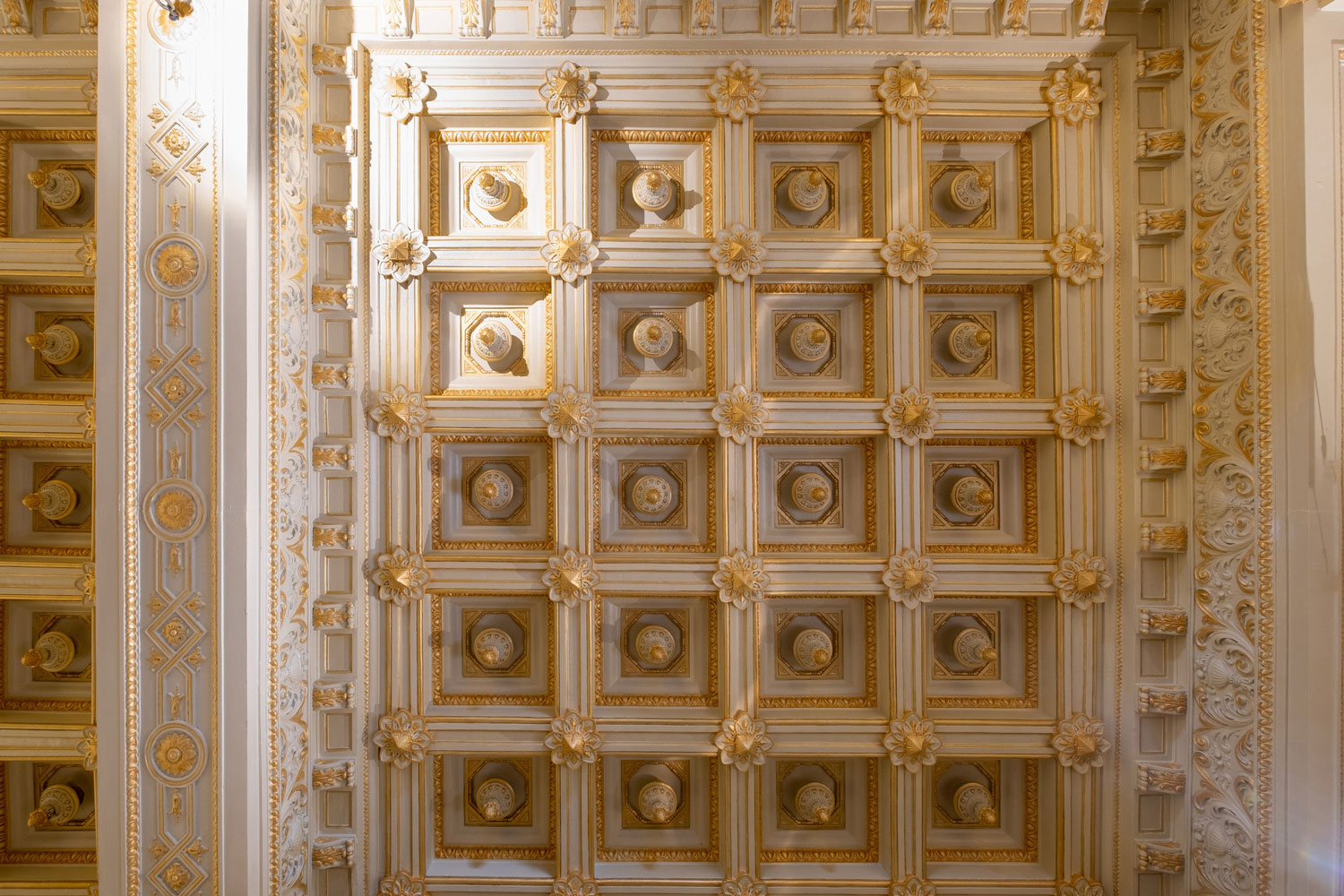
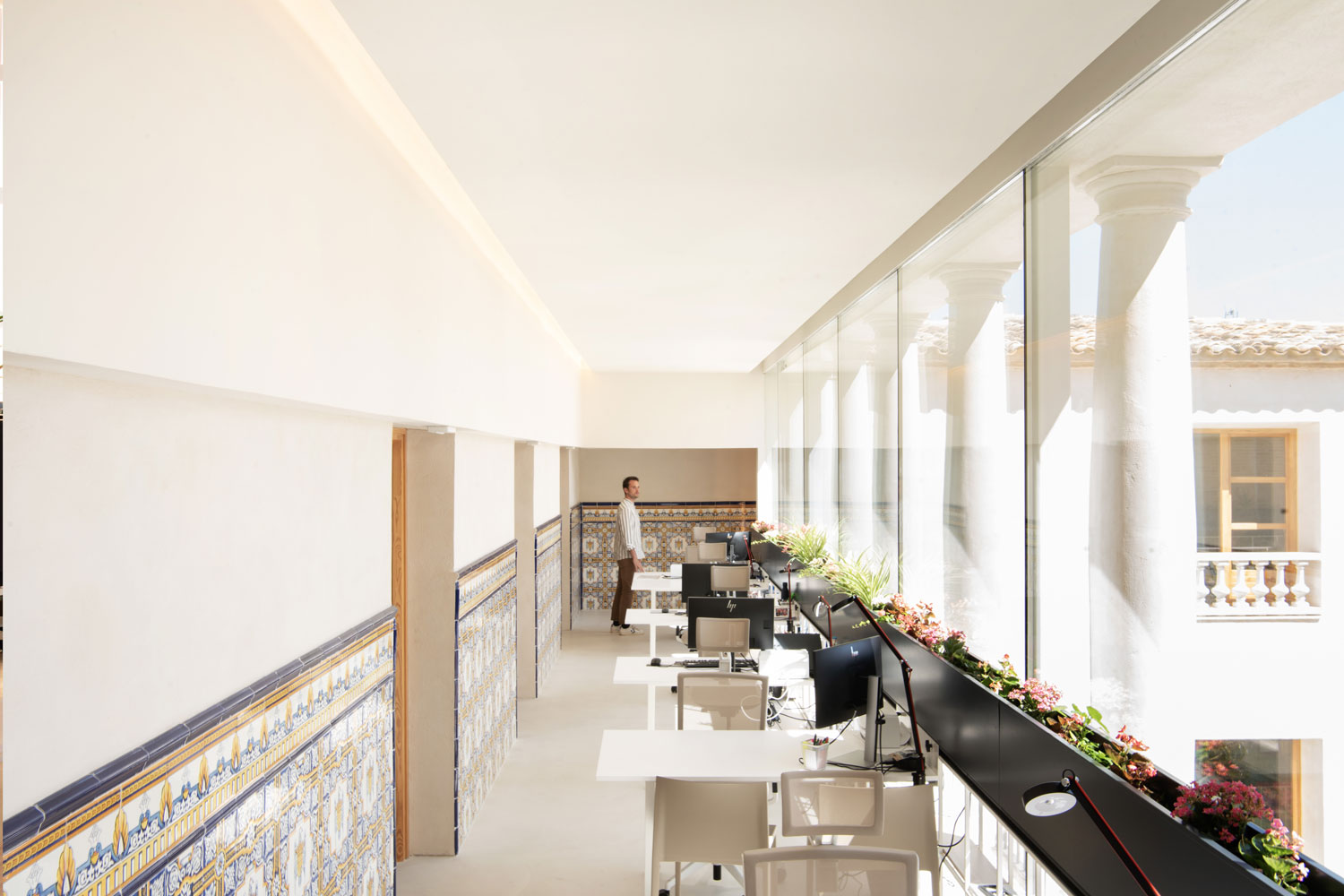
- Restoration of original elements: Recovery and enhancement of coffered ceilings, facades, pavements and other historical details.
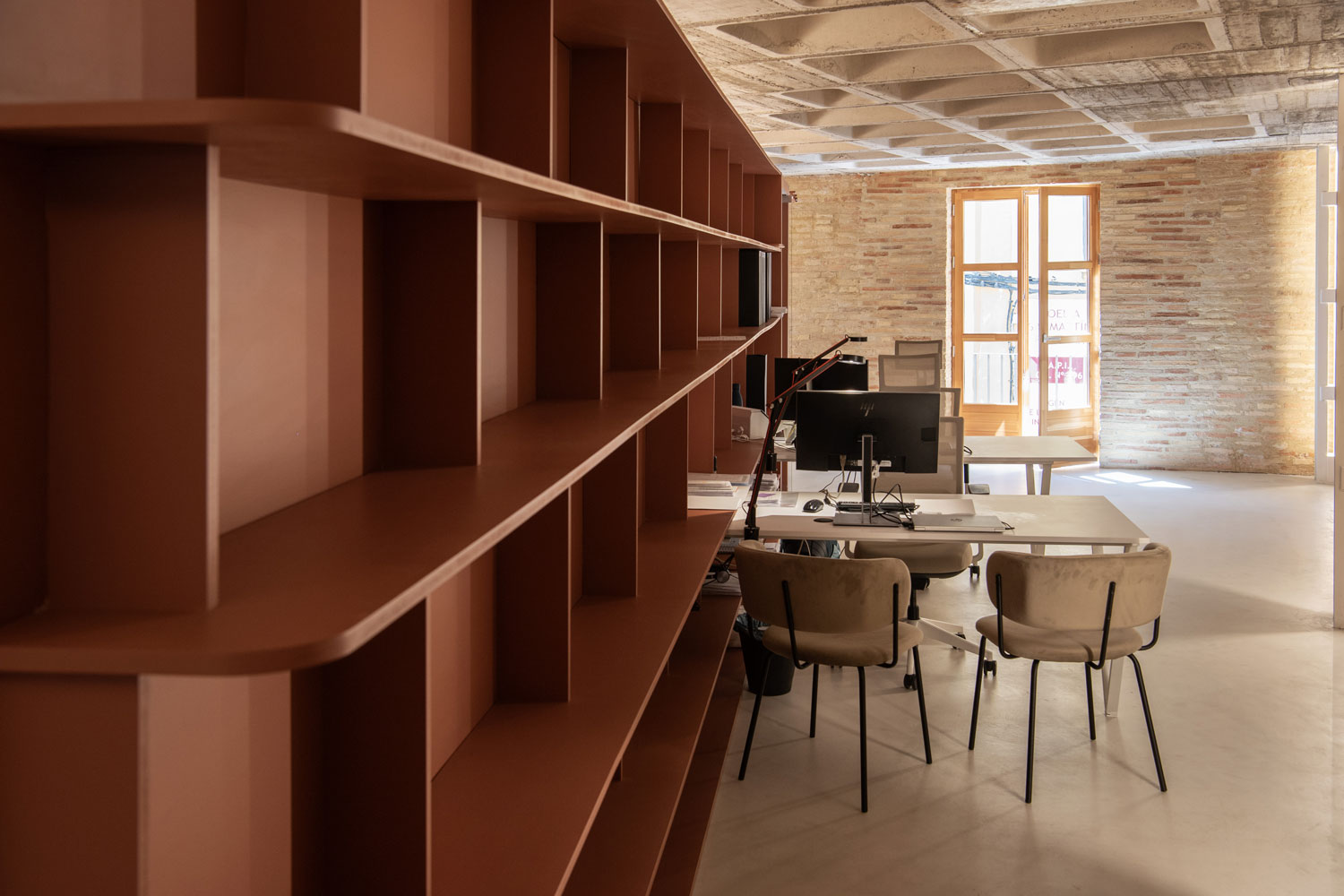
- Use of compatible materials: Choose materials that respect the aesthetics and original composition of the building.
- Functional interior design: Adapt the internal distribution to contemporary needs without altering the structural configuration.

What are the key aspects to consider before rehabilitating a historic building?
- Preliminary analysis: Evaluate the structural condition and the heritage elements to be preserved.
- Historical study: To know the evolution of the building and its historical context for a respectful intervention.
- Technical and economic feasibility: Determine the feasibility of the project and the necessary budget.
- Interdisciplinary collaboration: To have architects, historians, engineers and specialized craftsmen.
Rehabilitating without forgetting: Cronotopos’ view of past, present and future
At Cronotopos Arquitectura, the rehabilitation of historic buildings is an opportunity to merge past and present in a harmonious way. Our approach combines respect for heritage value with the application of innovative solutions that guarantee functionality and comfort.
Each project is approached with a holistic view that seeks to preserve the building’s identity while adapting to contemporary needs. From the historical analysis to the selection of materials, every detail is taken care of to deliver results that honor the past and look to the future.
Contact with Cronotopos Arquitectura
If you want to transform a historic building into a modern space without losing its essence, Cronotopos Arquitectura can help you. Contact us for a personalized consultation and discover how to turn your project into a work that respects history and embraces innovation.
Written by Lea Lopes, published by Cronotopos.