
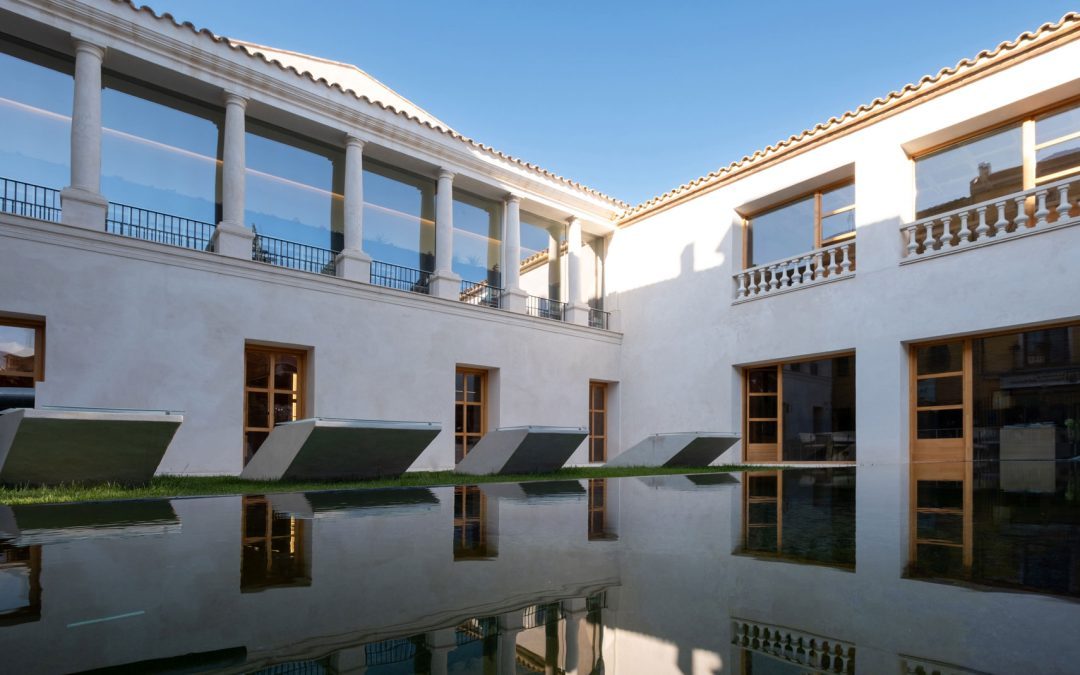
From indoor gardens to sustainable materials, discover how architecture can coexist harmoniously with the natural environment, improving well-being and energy efficiency.
Integrating architecture with nature is both a challenge and an opportunity to create sustainable, aesthetically pleasing spaces that promote the well-being of their occupants. From indoor gardens to the use of sustainable materials, today’s architectural solutions seek a harmonious balance with the natural environment.
How architecture integrates with nature: Biophilic design as a basis.
Biophilic design is an architectural approach that incorporates elements of nature into the design of built spaces. It aims to reconnect people with the natural environment through solutions that promote a direct or symbolic interaction with nature. This can be achieved through the inclusion of vegetation, the use of natural light, the use of natural materials and the creation of views towards exterior landscapes.

Benefits of incorporating nature in architecture.
The integration of natural elements in architecture offers multiple benefits:
- Wellness and health: Contact with nature reduces stress, improves mood and enhances concentration.
- Energy efficiency: The strategic use of vegetation can improve thermal insulation, reduce the need for air conditioning and optimize energy consumption.
- Sensory stimulation: Spaces that incorporate natural textures, colors and aromas generate an enriching sensory experience.
- Sustainability: The use of sustainable materials and environmentally conscious design contribute to the conservation of the environment.
Ways to integrate nature into architecture.
There are several strategies to achieve an effective integration between architecture and nature:
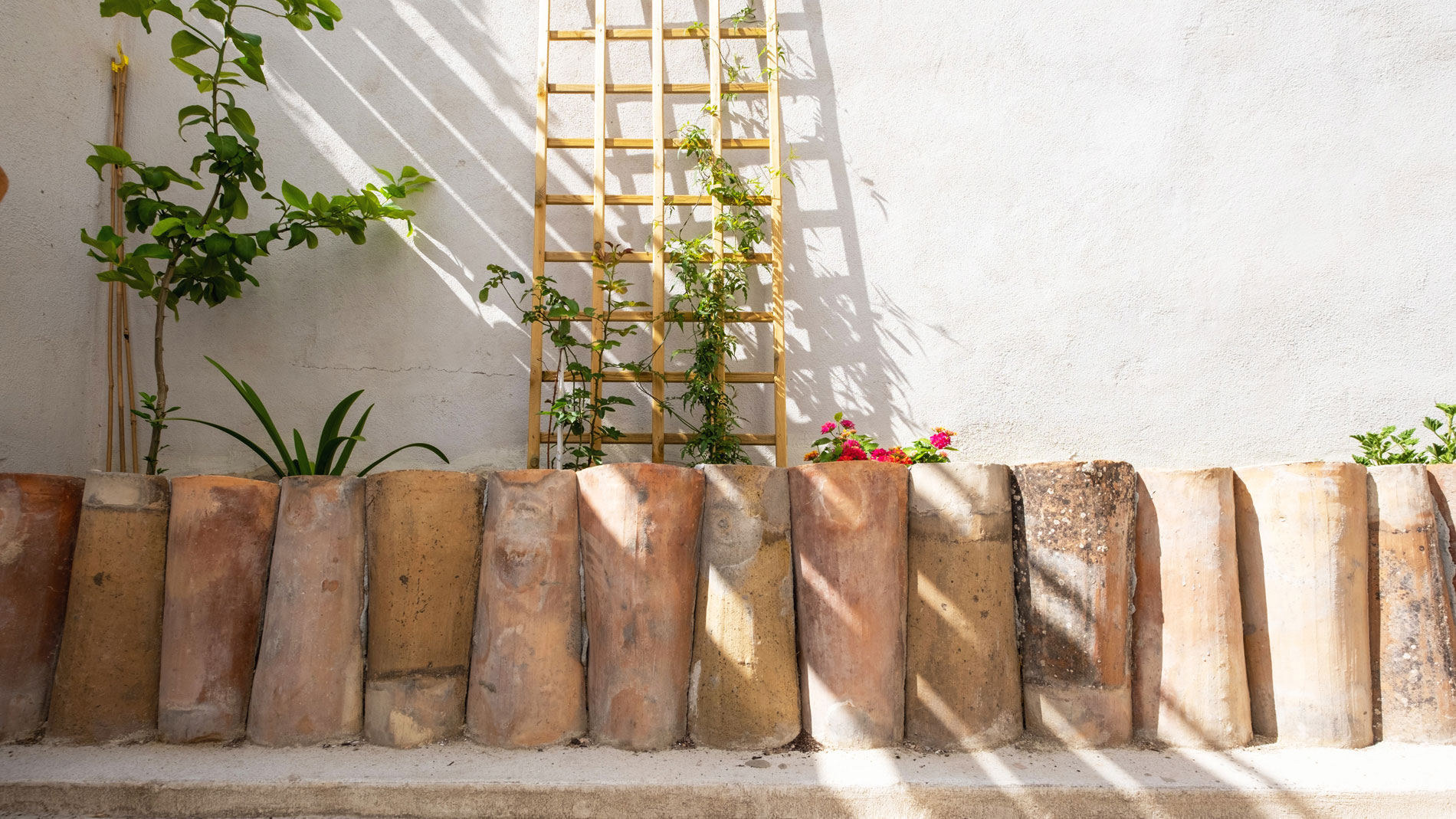
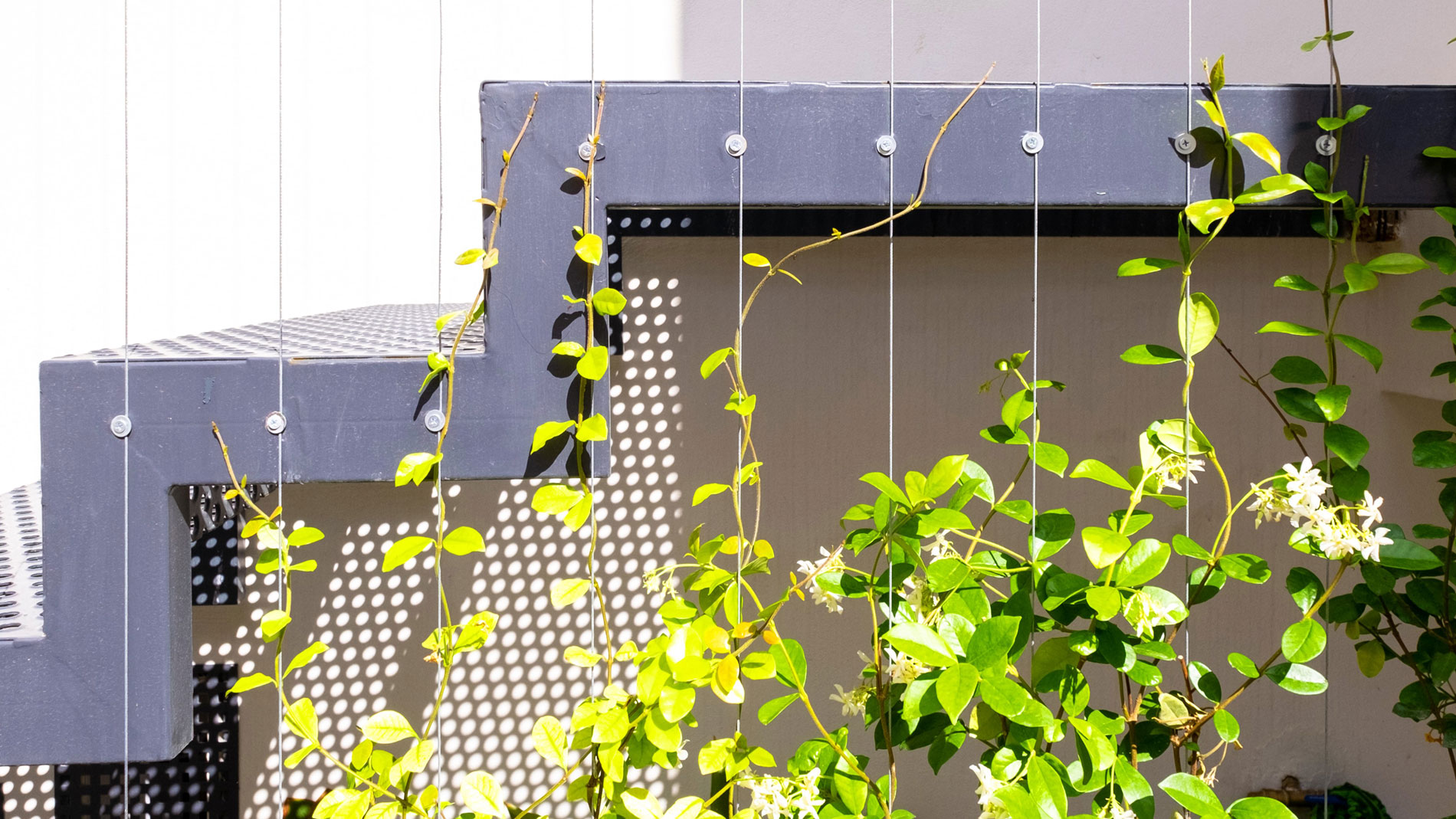
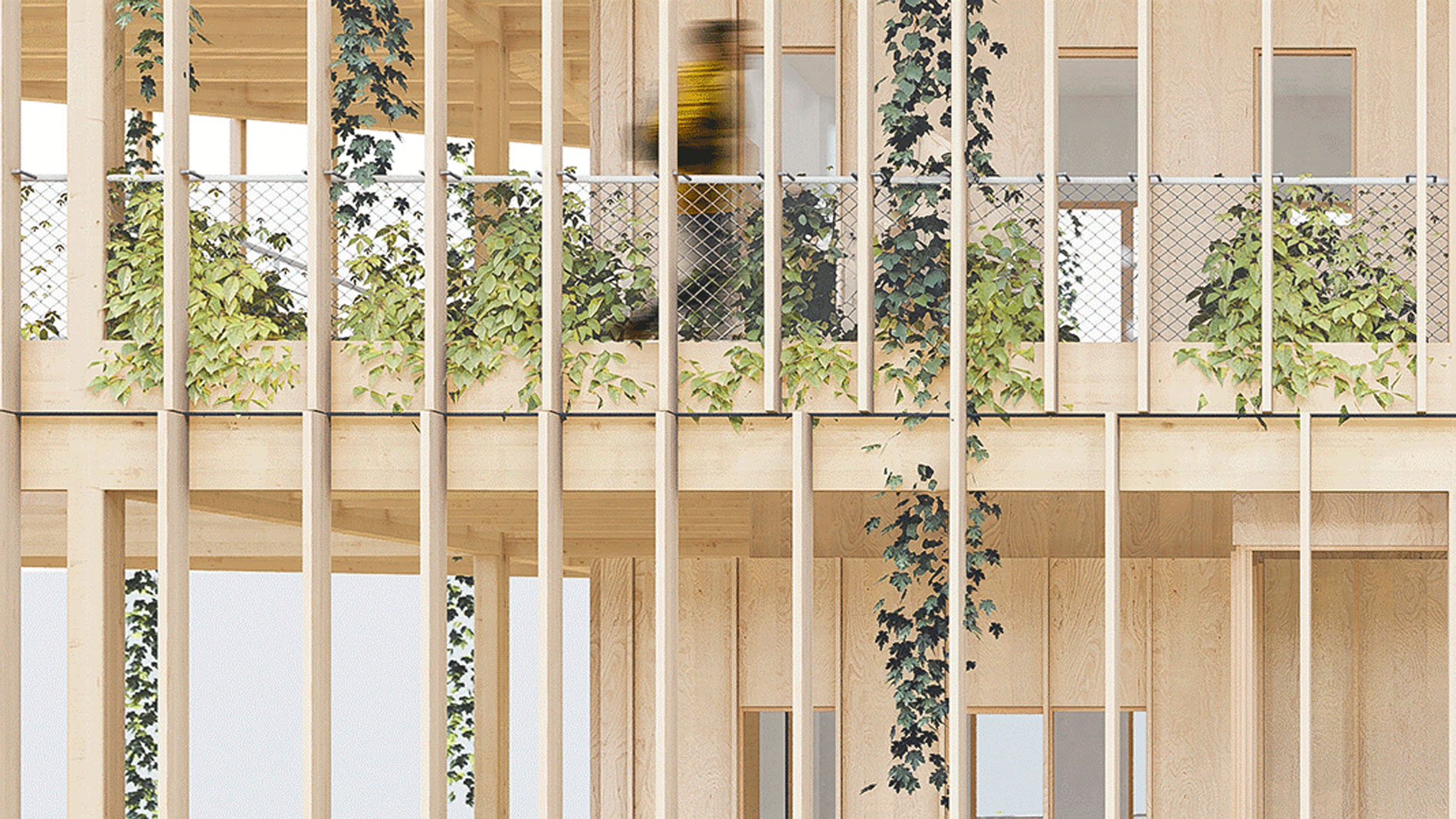
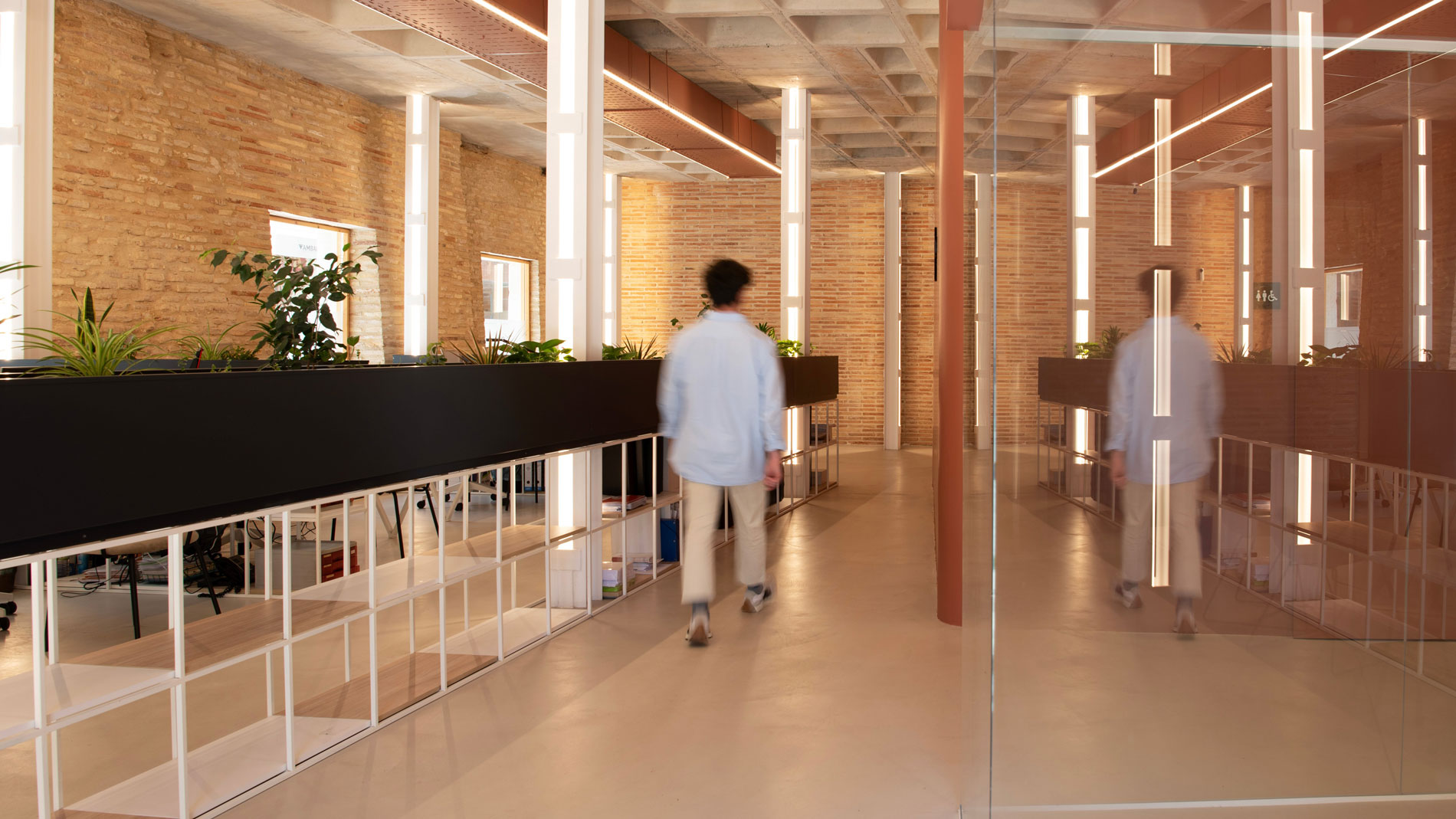
- Indoor and vertical gardens: They provide a direct connection to nature within living spaces.
- Green patios and terraces: Encourage social interaction and improve air quality.
- Use of natural materials: Wood, stone and plant fibers are sustainable and visually appealing options.
- Bioclimatic façade design: They allow for greater energy efficiency by adapting to local climatic conditions.
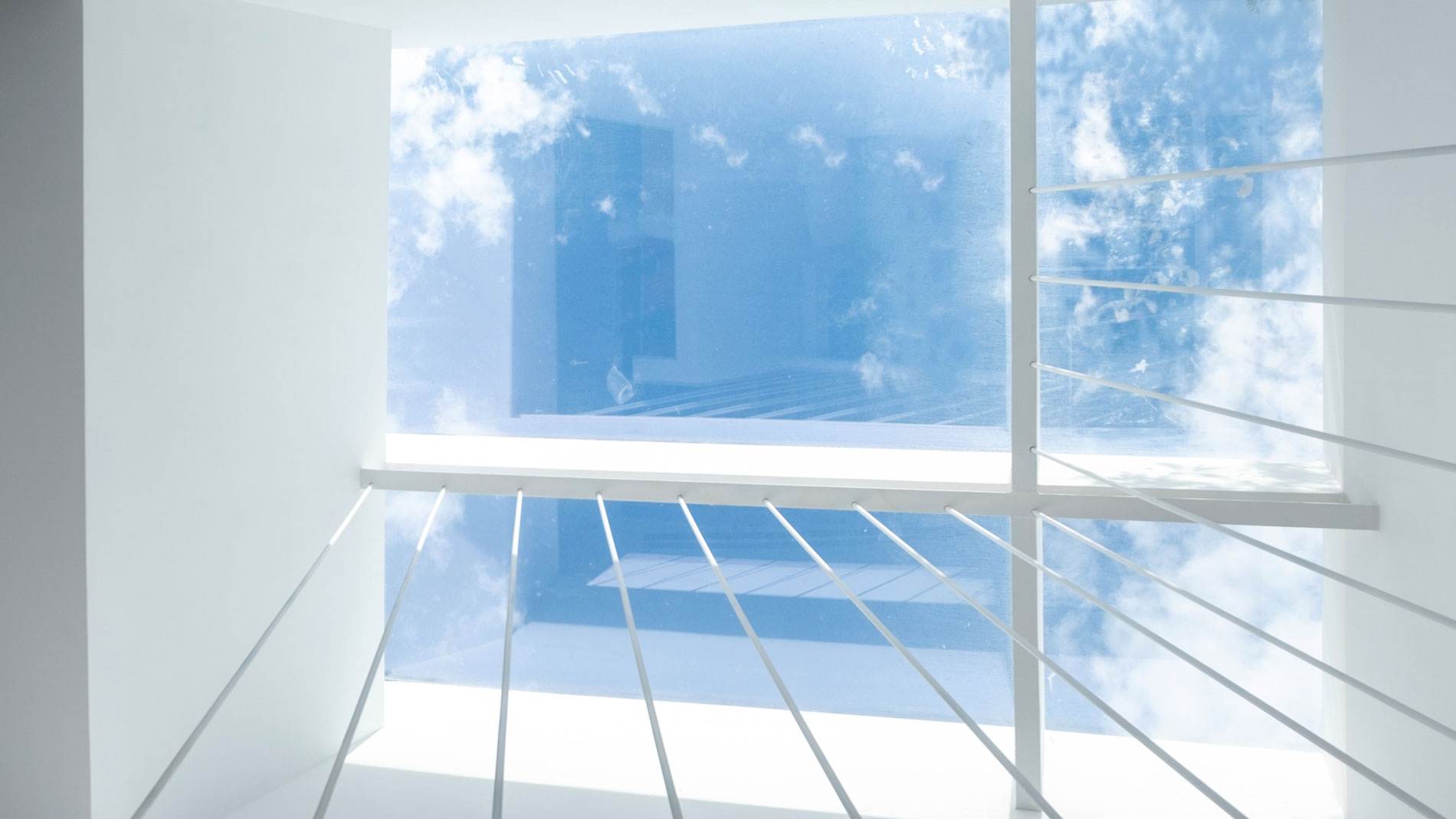
- Natural light utilization: Designing spaces that maximize natural lighting reduces the need for artificial lighting.
Challenges and considerations in biophilic design.
Despite its benefits, biophilic design faces some challenges:
- Vegetation maintenance: Vegetative solutions require proper maintenance to ensure their longevity.
- Climatic conditions: Strategies should be adapted to the particularities of the local climate.
- Balance between technology and nature: Integrating technological elements without compromising natural aesthetics is a constant challenge.
- Initial costs: Some biophilic solutions may require a high initial investment.
Chronotopes: Innovation and respect for the environment in each project.
At Cronotopos Arquitectura, the integration of nature in each project is a priority. The firm is committed to sustainable design and respect for the natural environment, always seeking innovative solutions that improve people’s quality of life. From the selection of materials to the conception of open and luminous spaces, each project reflects a firm commitment to sustainability and harmony with nature.
Cronotopos demonstrates that it is possible to create architecture that not only coexists with nature, but also enriches it, offering a path towards a greener and more balanced future.
Written by Lea Lopes, published by Cronotopos.