
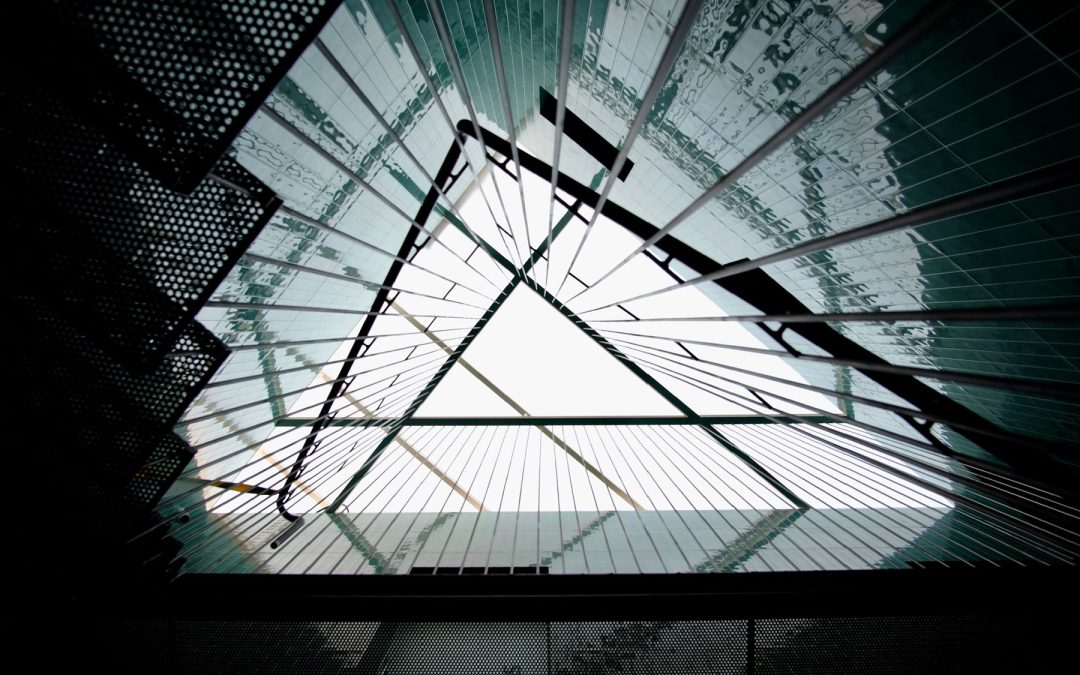
How does architecture influence the guest experience?
Architectural design directly affects the guest’s perception and experience from the moment they enter the hotel. Efficient layout, well-lit spaces and intuitive orientation enhance comfort and ease of movement. The materials, color palette and integration of green areas also impact the mood and sense of well-being.
A guest-focused design, including both common areas and private rooms, can deliver a personalized, high-quality experience. Every architectural detail, from the lobby to the guest rooms, helps to reinforce the hotel’s identity and generate an emotional connection with those who visit.
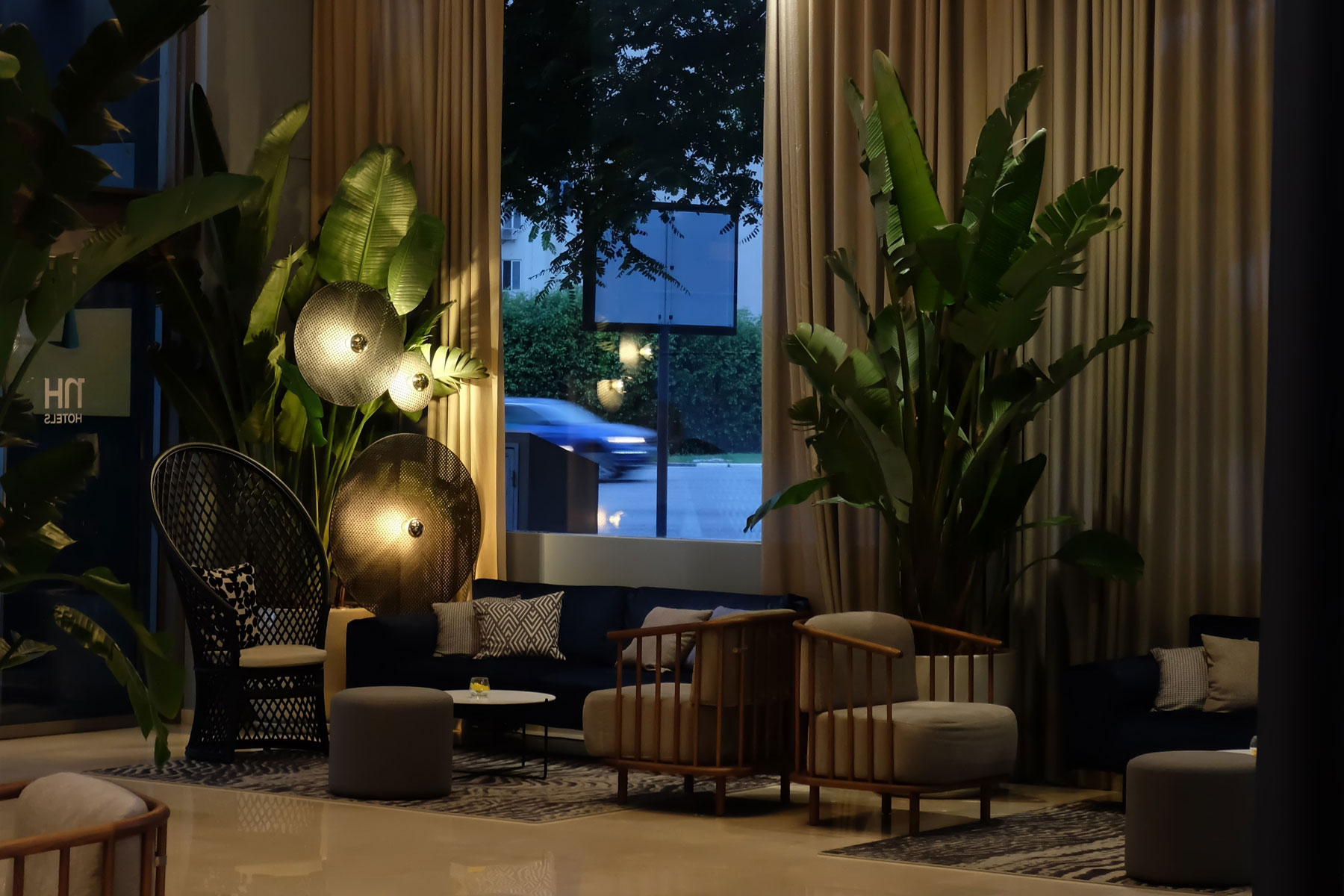
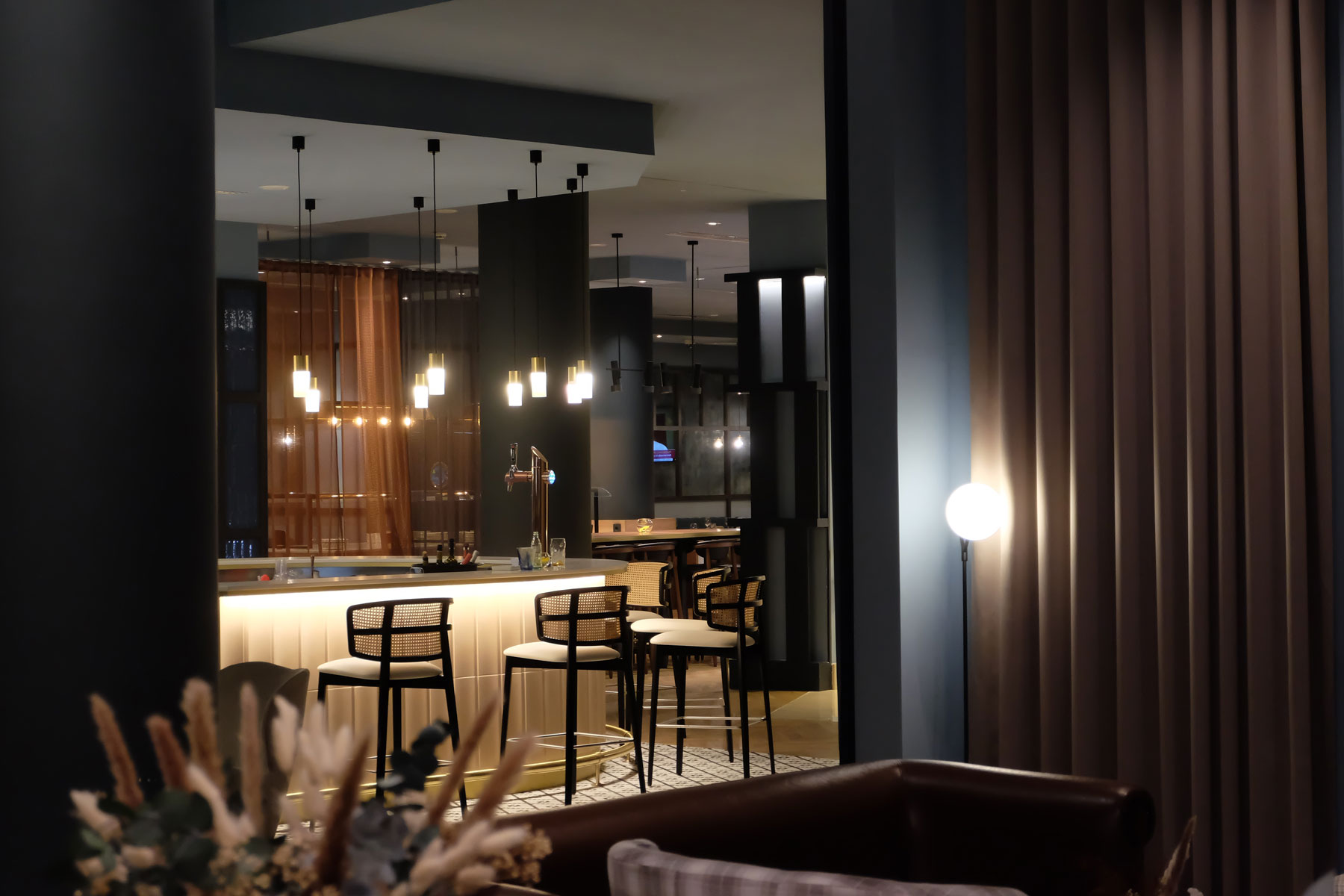
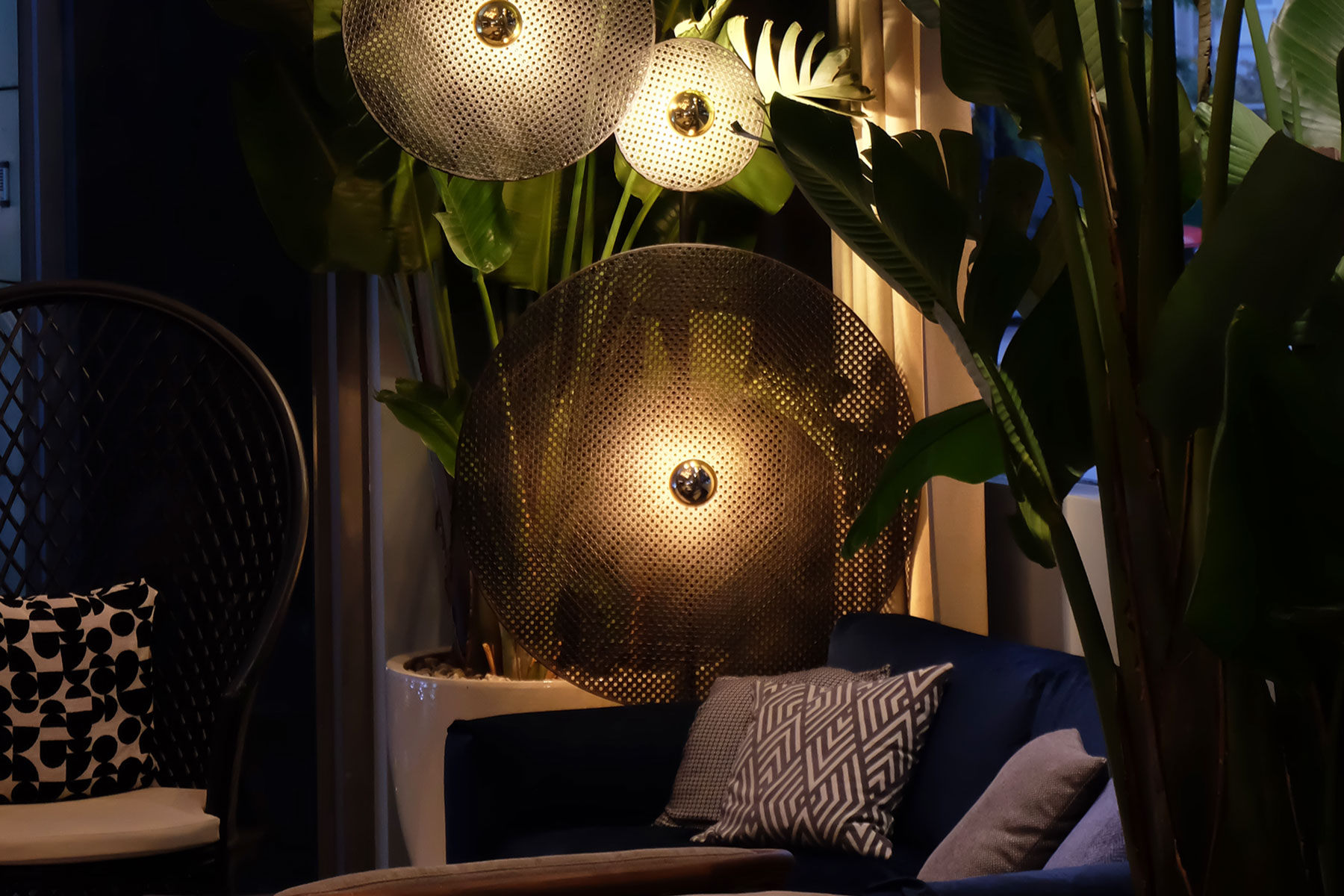
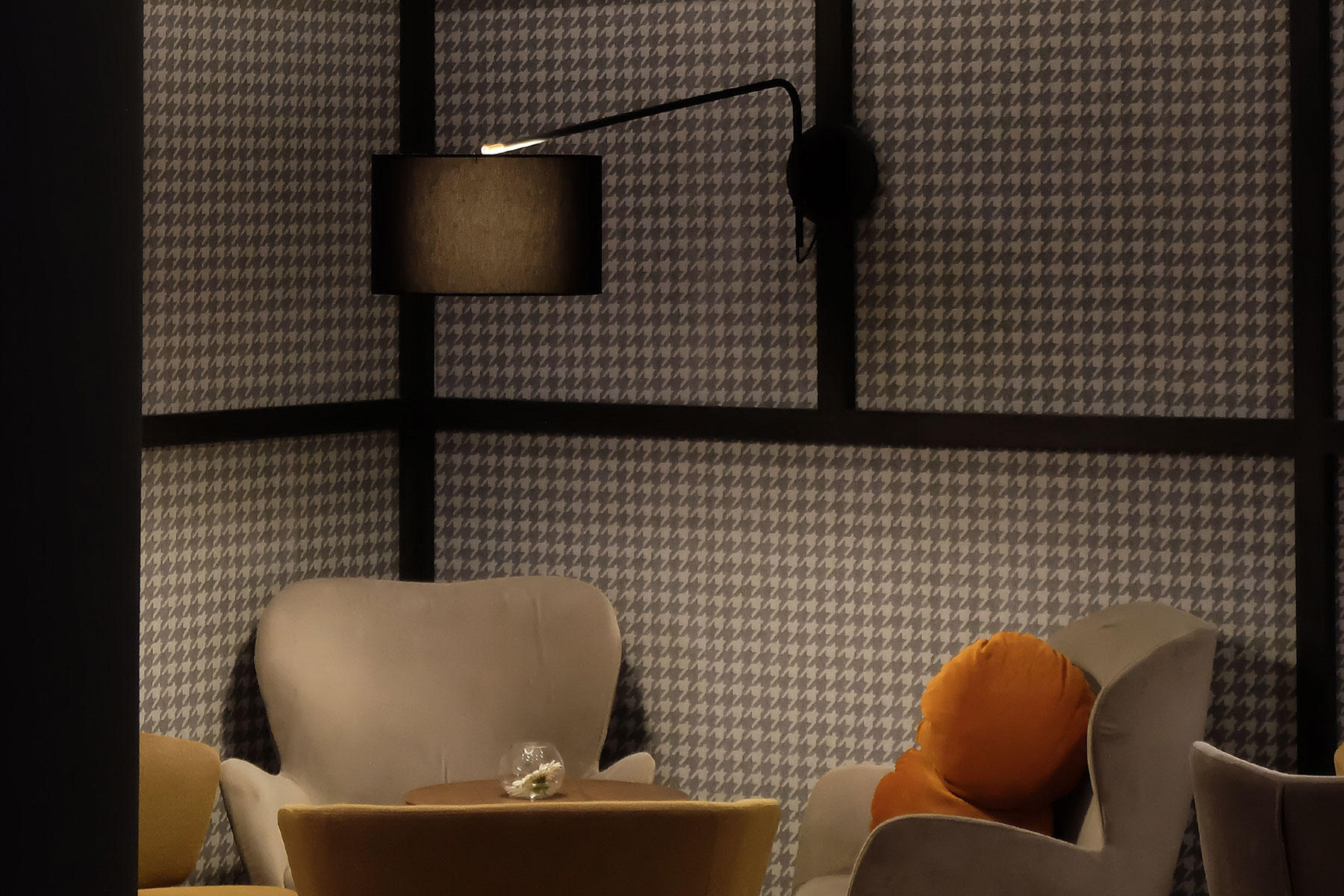
Lobby at the NH hotel in Alicante, Spain
What architectural elements can make a hotel more welcoming and functional?
For a hotel to deliver a satisfying experience, it is essential to consider a number of key architectural elements:
- Efficient spatial distribution: Optimize the use of space to ensure fluidity in the transit of guests and staff.
- Natural and artificial lighting: Integrate natural light to create warm environments and use appropriate artificial lighting for different functions and times of the day.
- Materials and textures: Select high quality materials that provide comfort and reflect the hotel’s identity.
- Interaction and privacy zones: Balance social areas such as restaurants and lounge areas with private spaces that offer tranquility and relaxation.
- Sustainability: Incorporate sustainable architectural solutions that reduce environmental impact and improve energy efficiency.
How to achieve a balance between innovative design and comfort?
Achieving a balance between architectural innovation and comfort is fundamental in hotel architecture. Innovation allows differentiation in a competitive market, while comfort ensures guest satisfaction. To achieve this balance, it is necessary:
- Prioritize functionality without sacrificing aesthetics.
- Incorporate technology that facilitates the guest experience, such as automation systems and intelligent access.
- Design versatile spaces that adapt to different customer profiles.
- Consider emerging design trends without losing the essence of the hotel.
How can cultural and local elements be integrated into the design of a hotel?
A differentiating aspect in hotel architecture is the ability to integrate cultural and local elements. This practice not only enriches the guest experience, but also strengthens the bond with the community. To achieve this, strategies can be applied such as:
- Use local materials in construction and decoration.
- Incorporate design elements inspired by local history and traditions.
- Collaborate with local artisans and artists to customize spaces.
- Create sensory experiences that reflect the cultural identity of the environment.
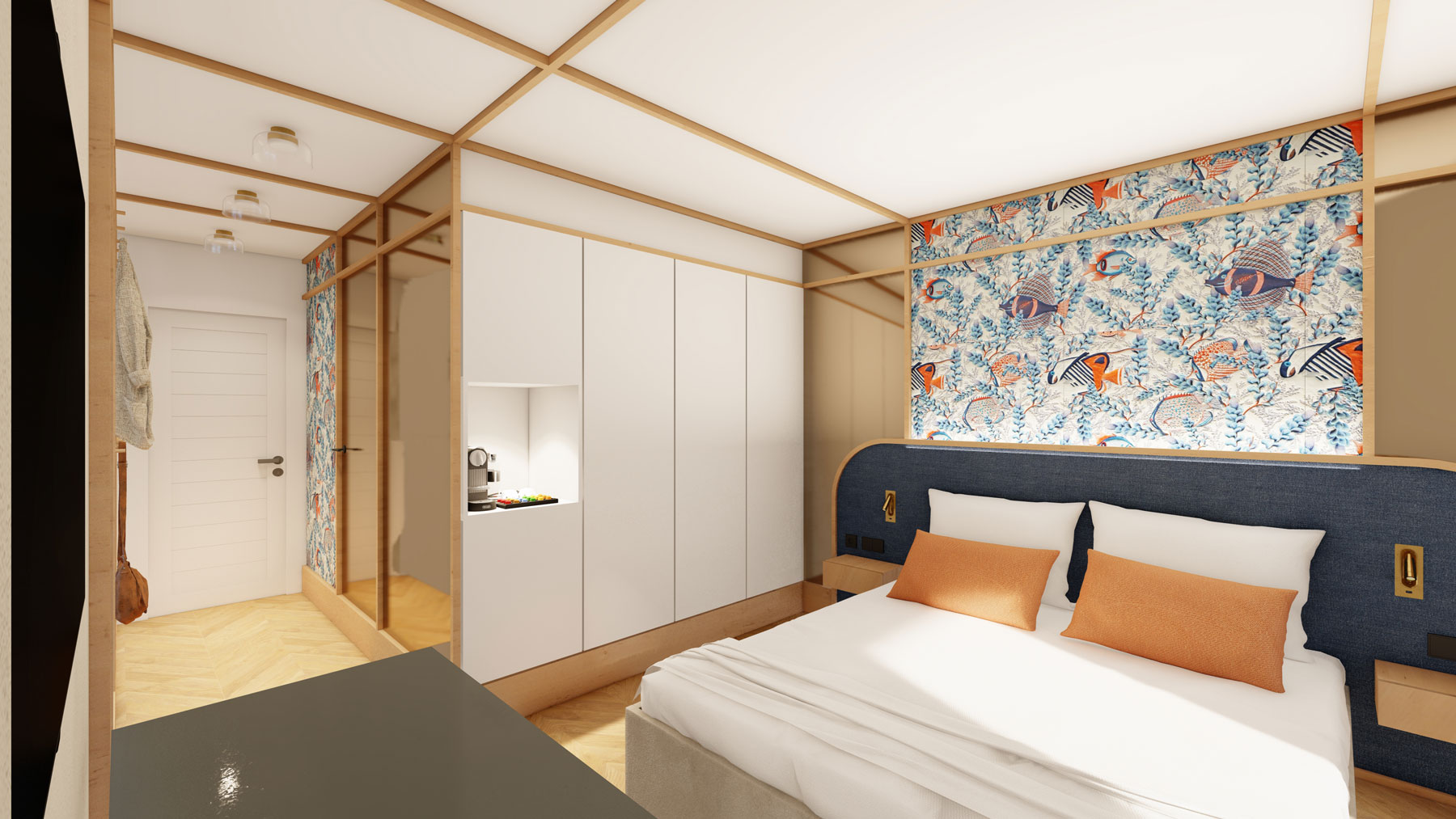
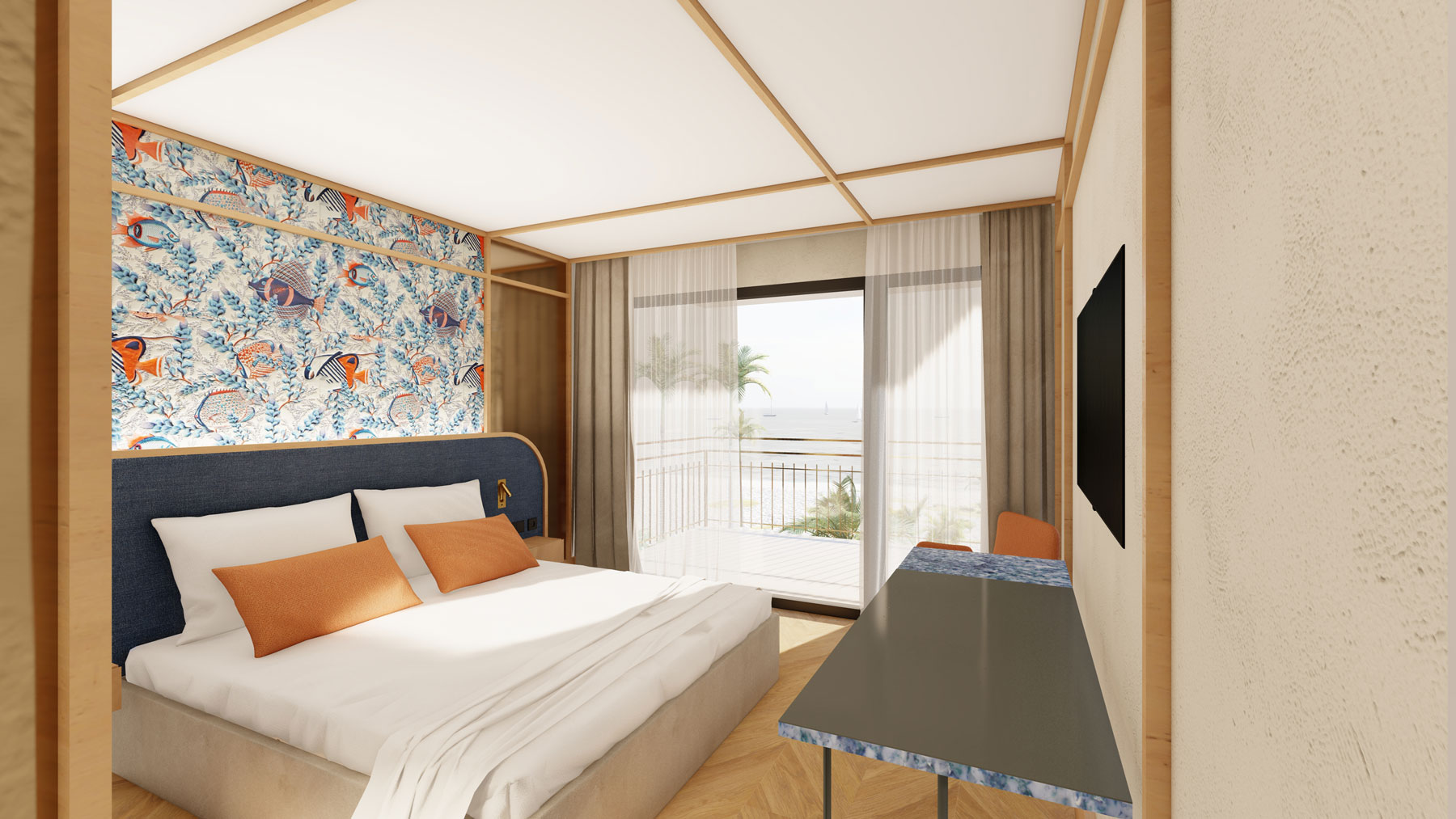
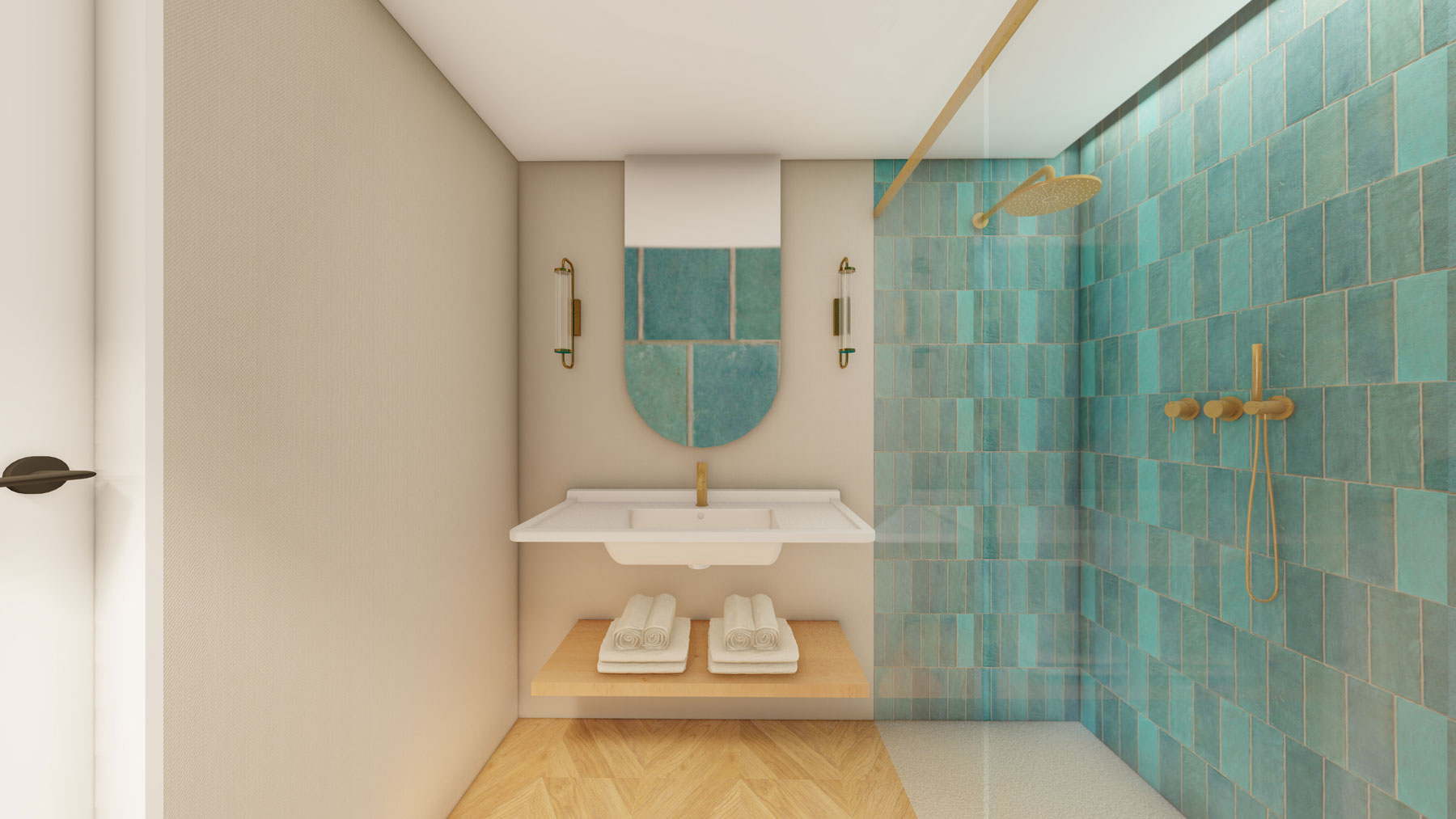
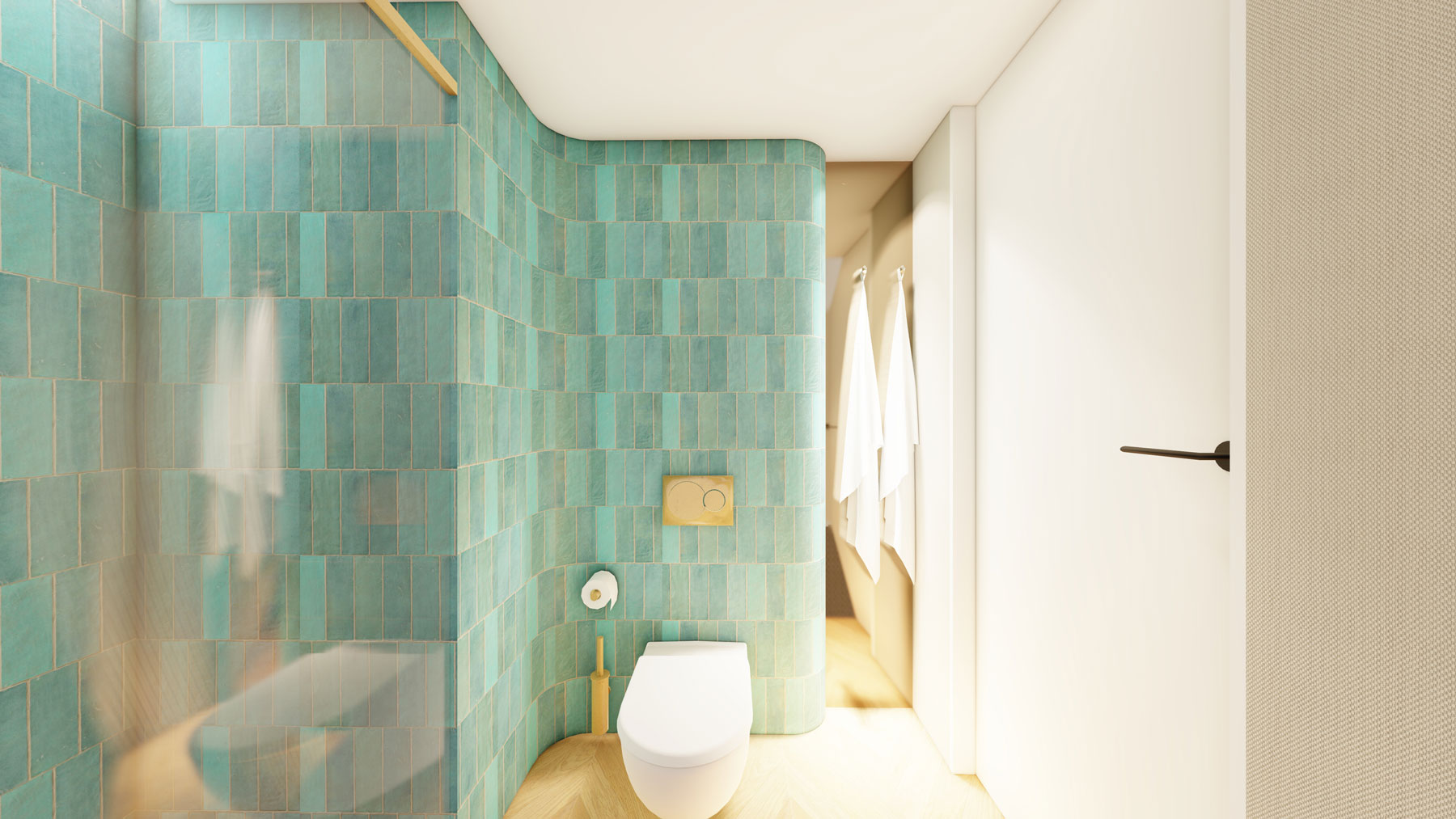
Cronotopos’ vision: Hotel architecture to enhance guest experience
At Cronotopos Arquitectura, we understand that each hotel is unique and requires a customized approach to deliver an unparalleled experience. Our design process is based on an in-depth analysis of client needs and guest profiles, ensuring architectural solutions that combine aesthetics, functionality and innovation.
Our methodology includes:
- Contextual analysis: We evaluate the environment and local characteristics to integrate them coherently into the design.
- User-centered design: We consider guests’ expectations to create spaces that generate well-being and comfort.
- Sustainability and efficiency: We implement sustainable strategies that optimize resources and minimize environmental impact.
- Identity and differentiation: We develop architectural proposals that reflect the hotel’s identity and distinguish it in the market.
At Cronotopos Arquitectura, we transform hotel spaces into memorable experiences, where every architectural detail is designed to enhance the guest’s stay and add value to the hotel business.
Written by Lea Lopes, published by Cronotopos.