
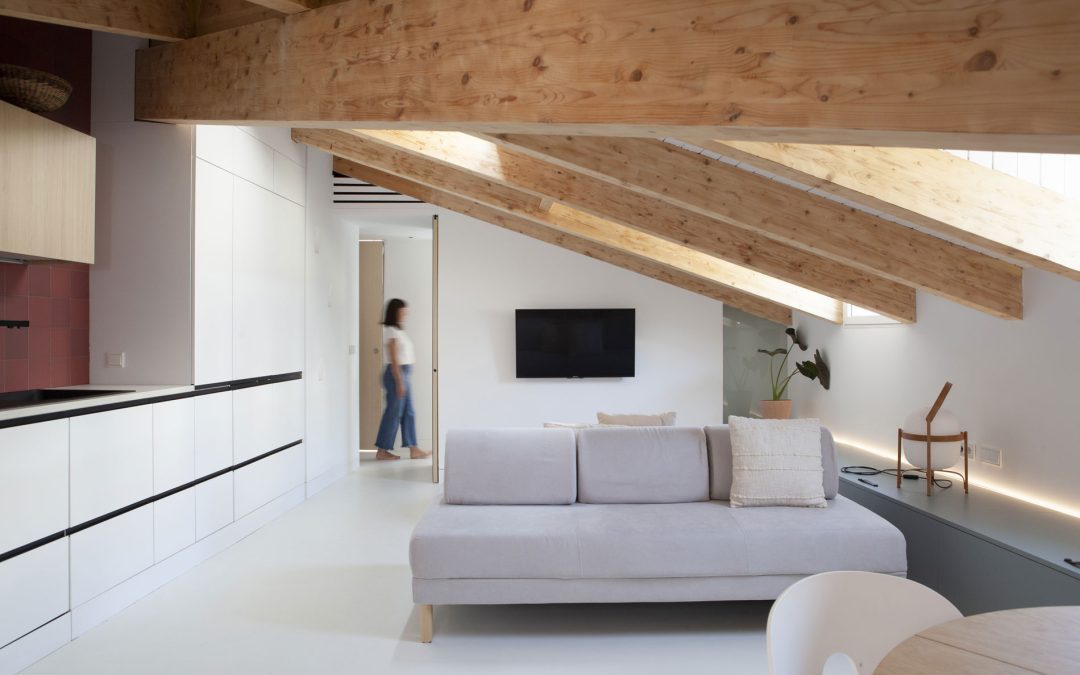
Discover how to make the most of every square meter with architectural solutions that visually expand spaces, improve functionality and transform small spaces.
Designing small spaces poses a significant challenge, but it also provides an opportunity to demonstrate creativity and architectural ingenuity. With proper planning and innovative solutions, it is possible to transform compact environments into spacious, functional places that maximize comfort and efficiency.
The challenge of designing small spaces
Designing small spaces requires careful planning and a creative approach to overcome the limitations of compact dimensions. The key lies in transforming constraints into opportunities to create efficient and pleasant environments.
Some of the main challenges include:
- Optimize functionality: Every square meter must be maximized, ensuring that the space meets all the needs of its users.
- Avoid the sensation of saturation: The distribution and choice of elements should avoid visual overload.
- Take advantage of natural light: Adequate lighting is essential to visually expand spaces.
- Flexible design: Incorporate elements that allow quick adaptations and changes according to the needs of the moment.
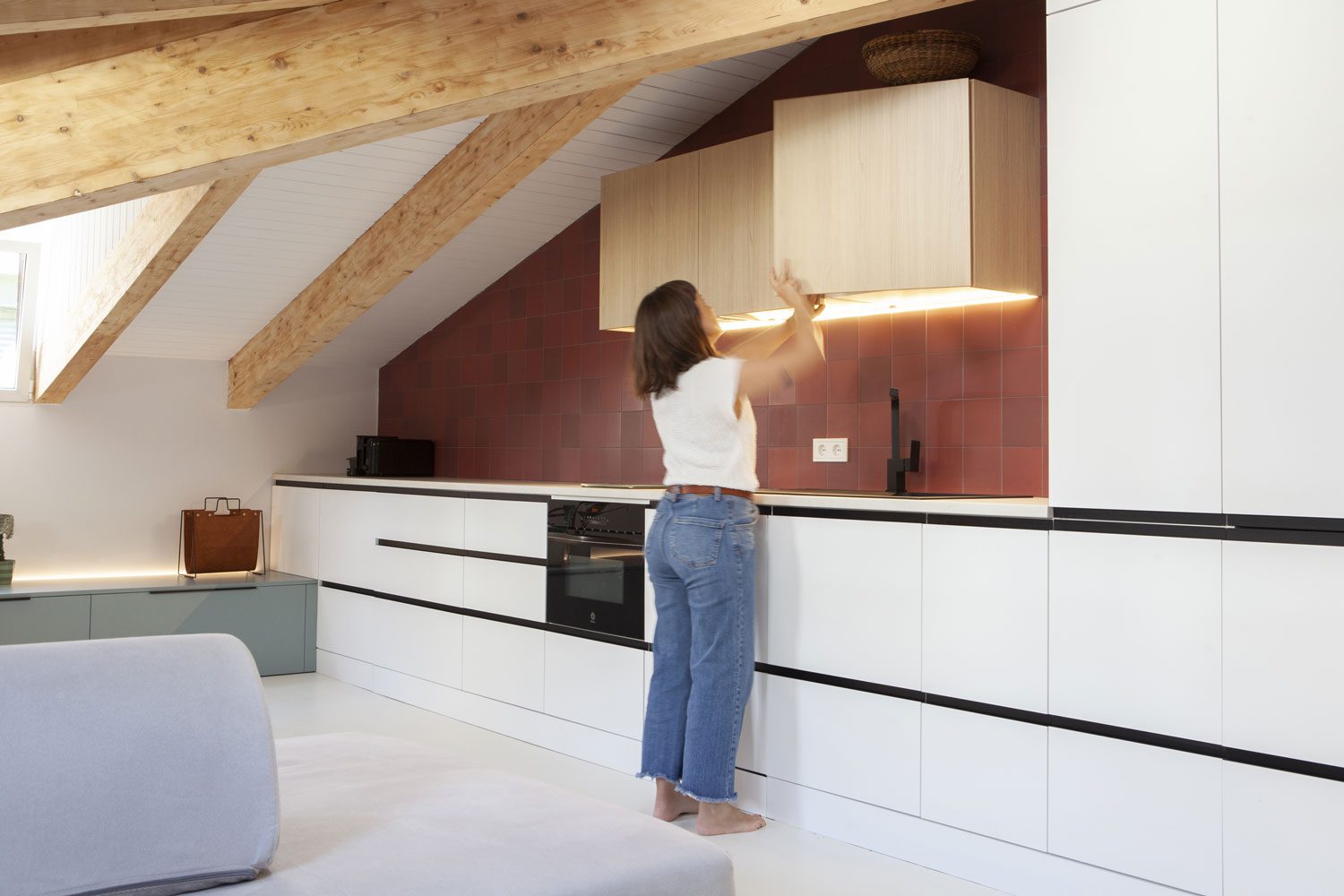
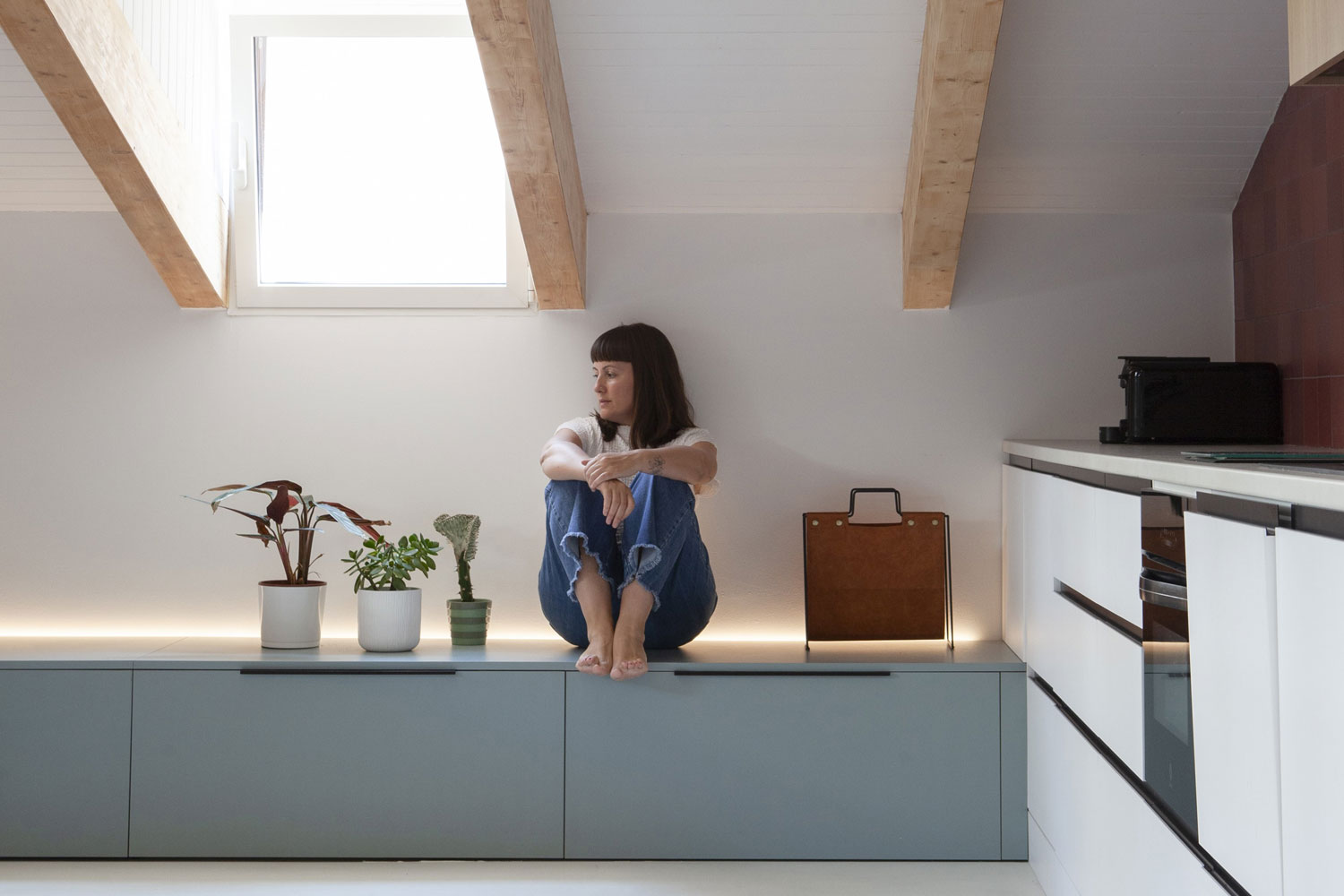
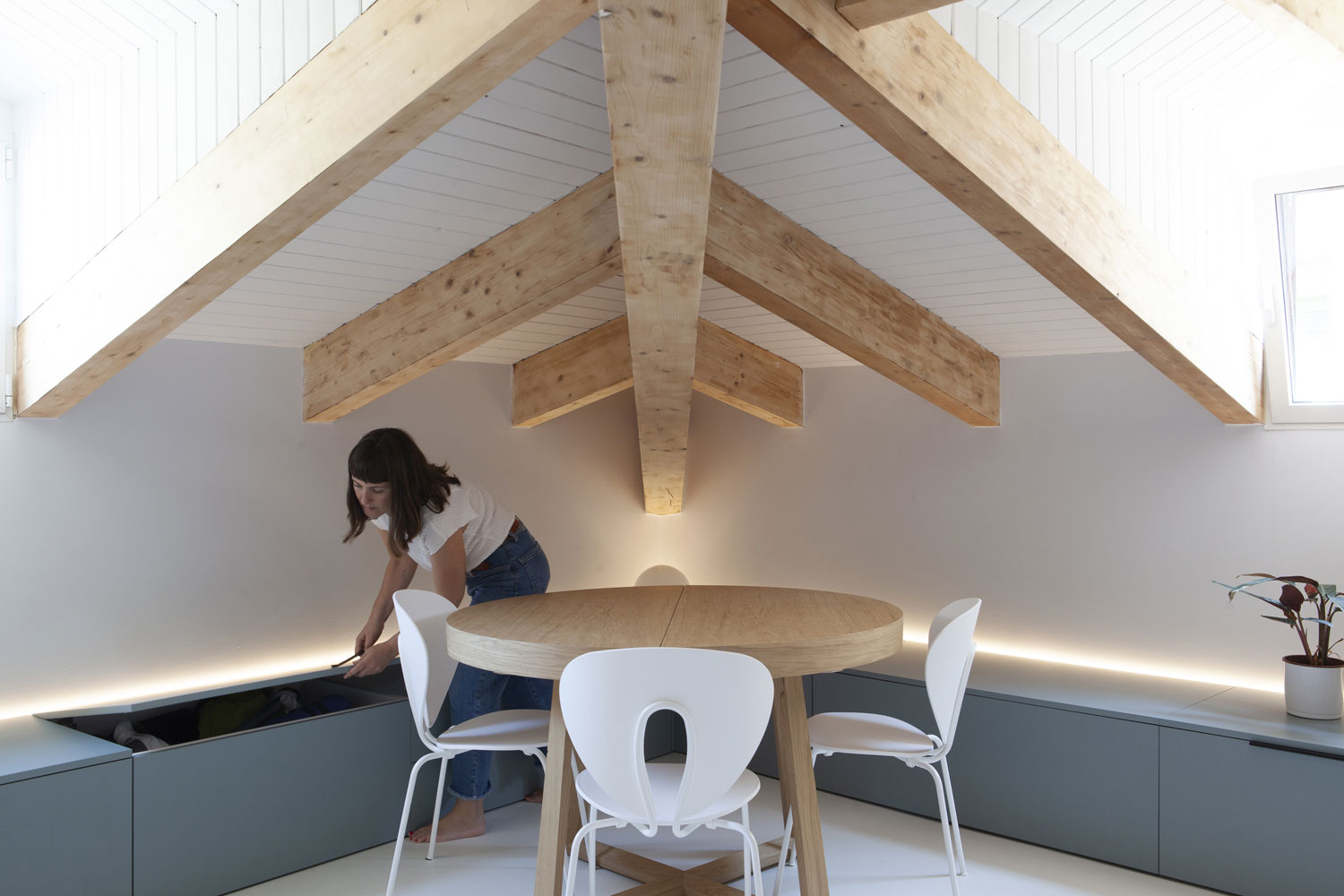
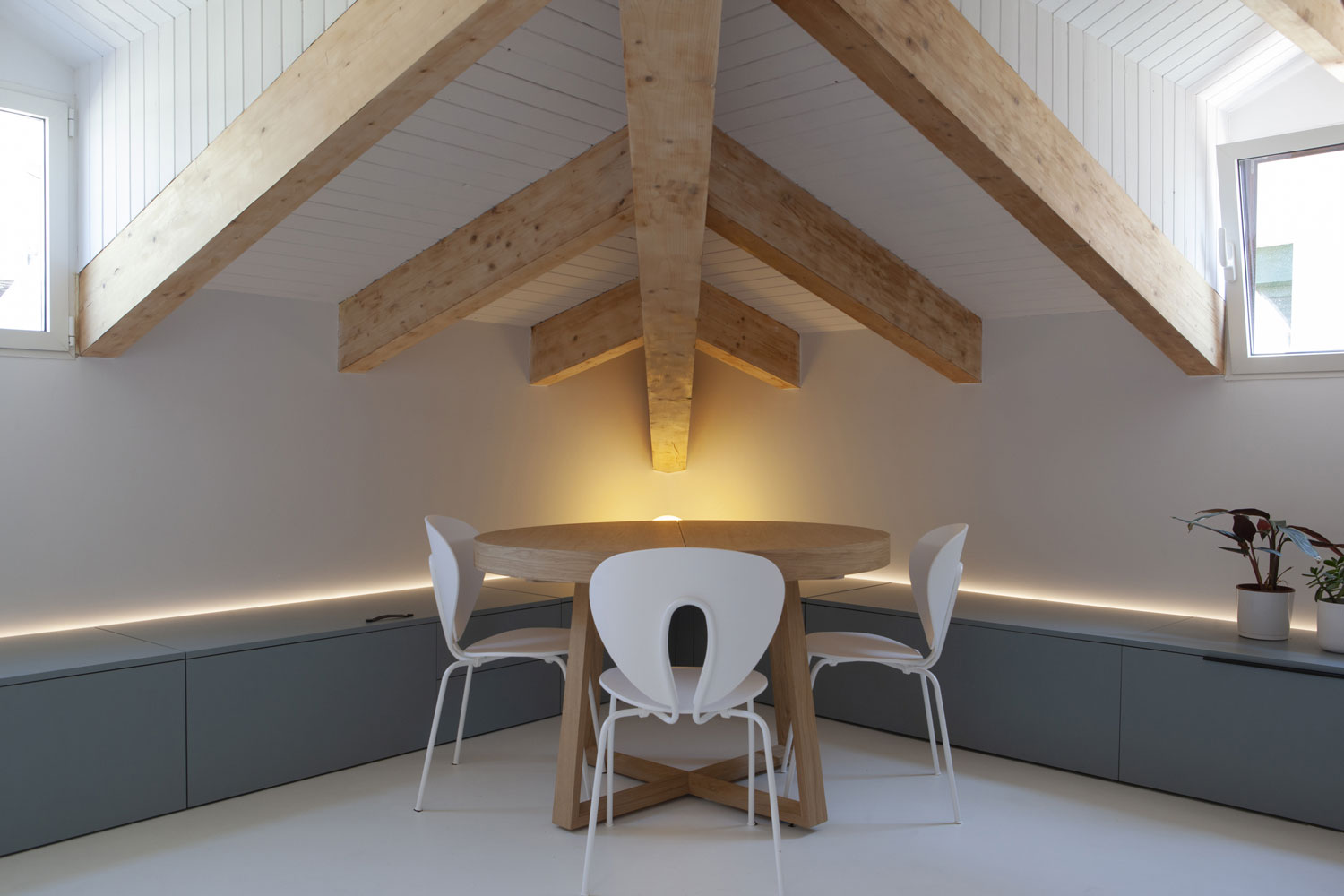
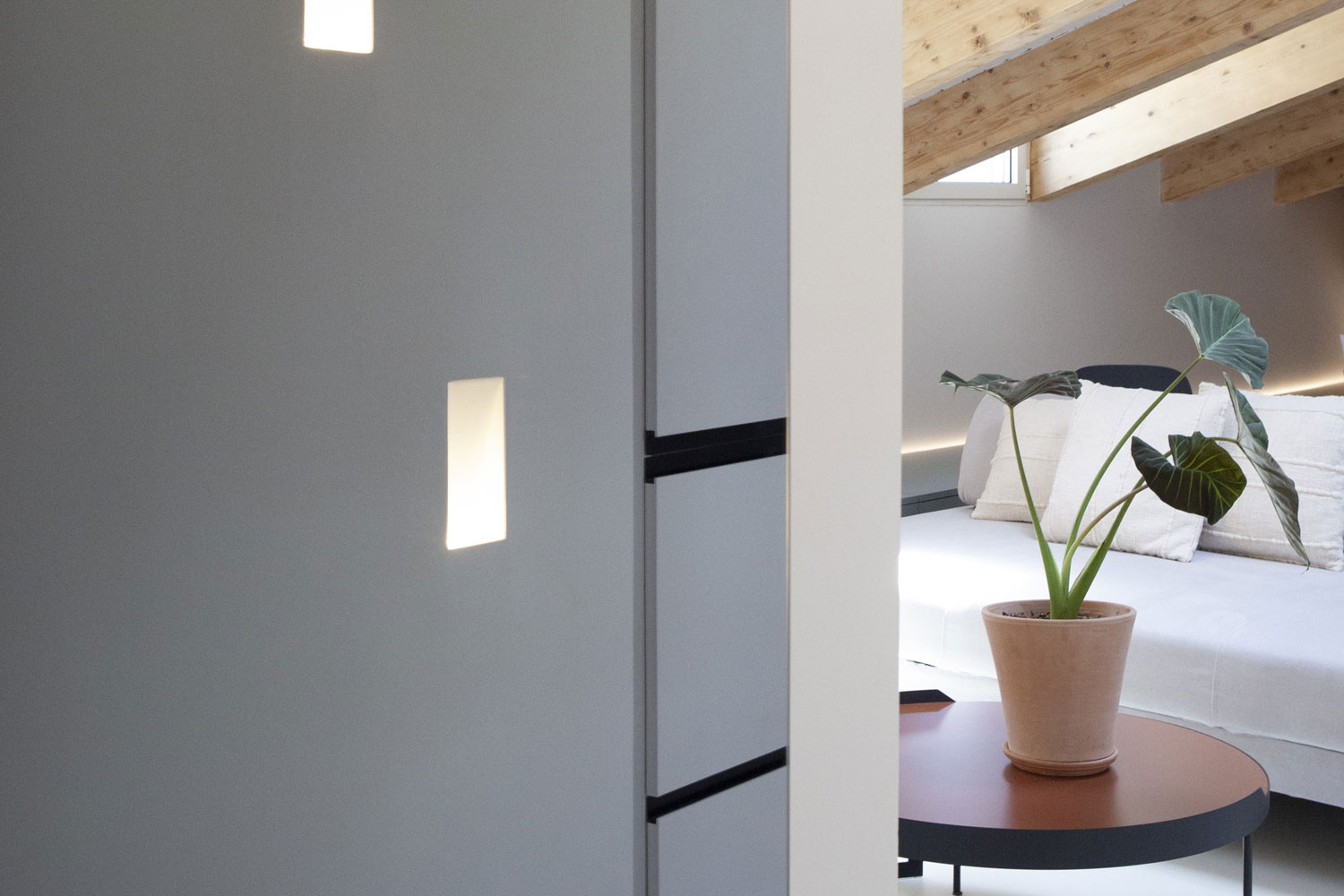
Intelligent layout and design to make the most of space
The effective distribution of spaces is fundamental to maximize their usefulness:
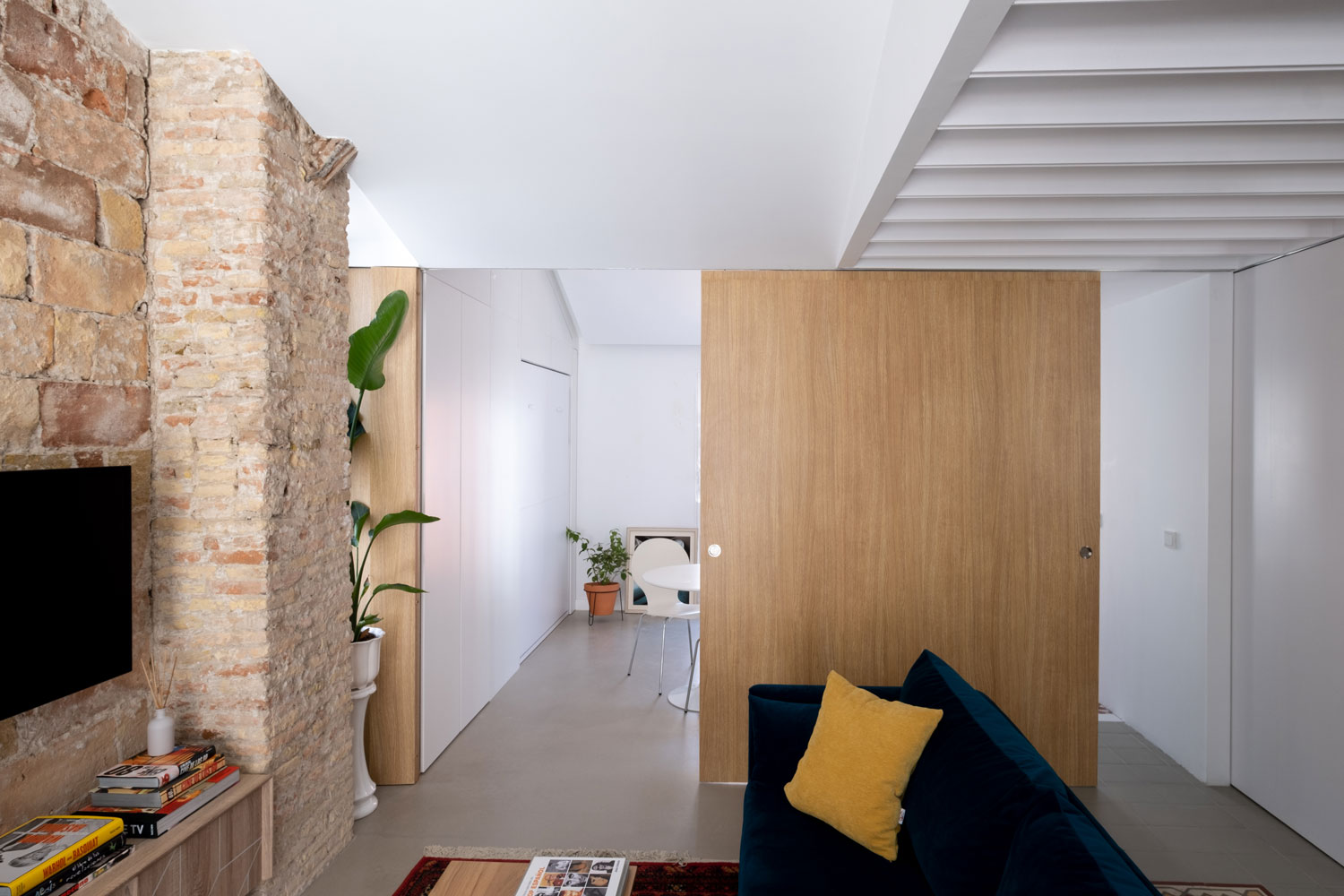
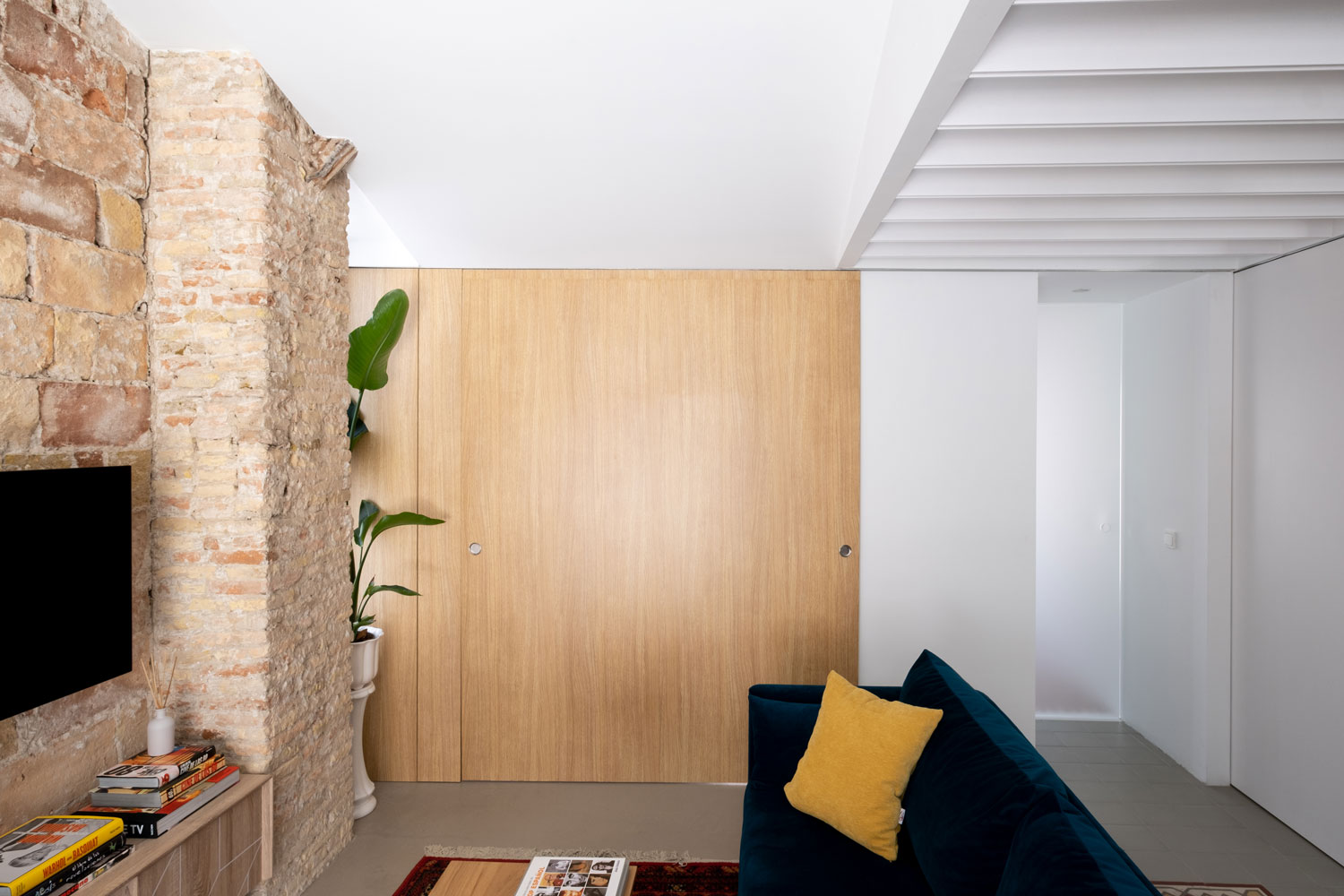
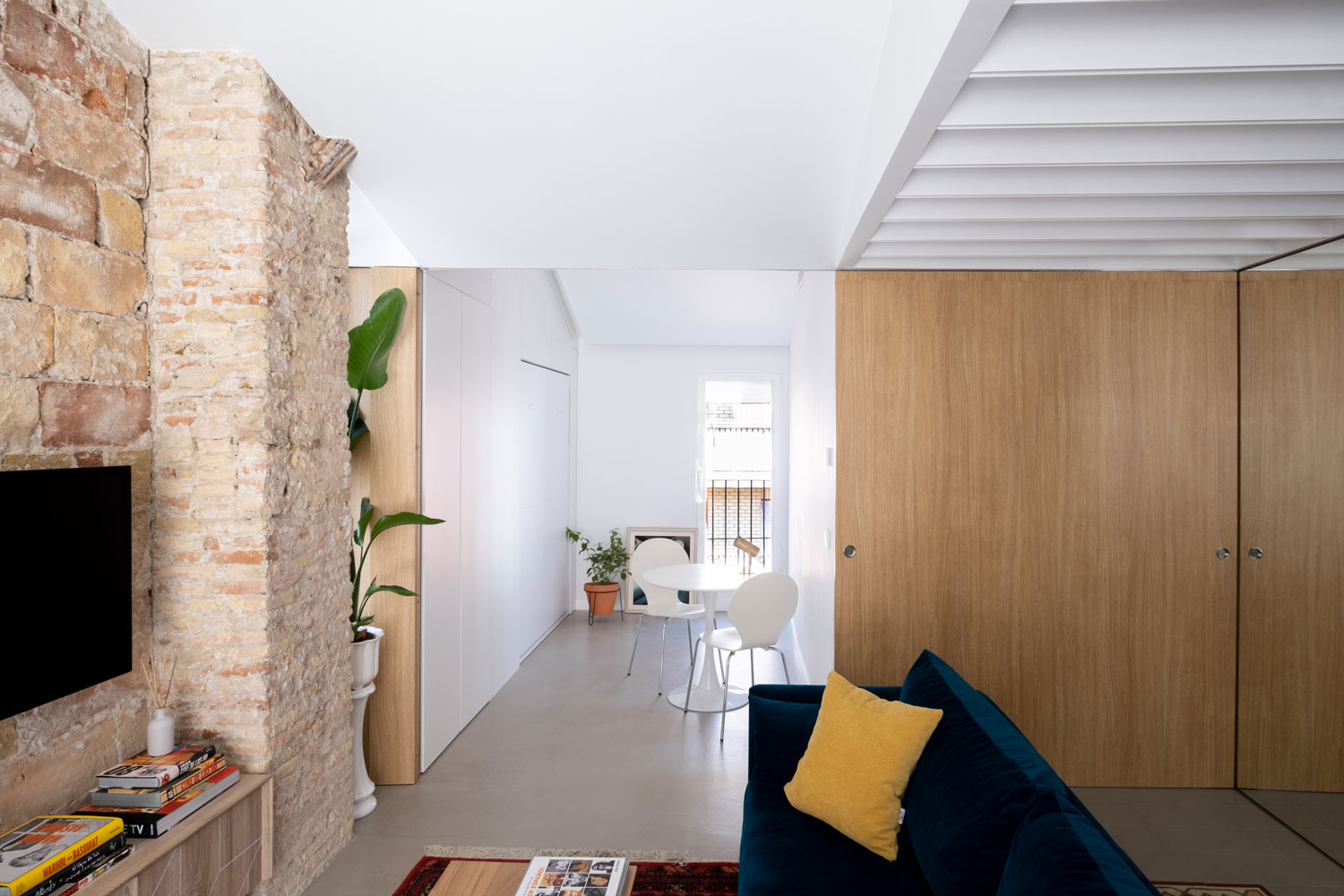
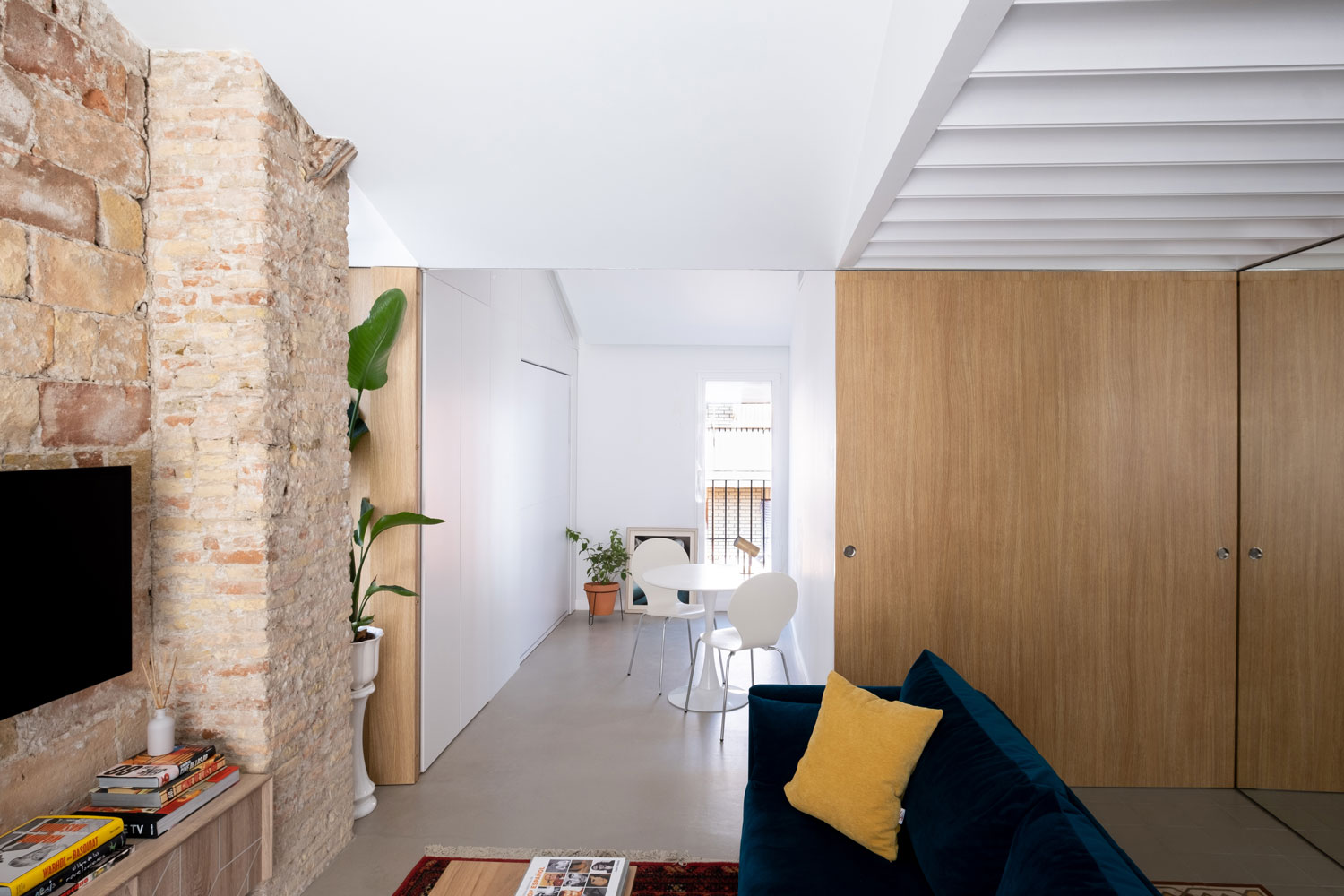
- Open concept: Eliminating unnecessary walls allows a fluid connection between the different areas, generating a greater sense of spaciousness.
- Multifunctional furniture: Incorporating elements that fulfill several functions, such as sofa beds or extendable tables, optimizes the use of space.
- Well-defined zones: Delimiting areas by means of level changes, coverings or decorative elements allows maintaining order without physically dividing the space.
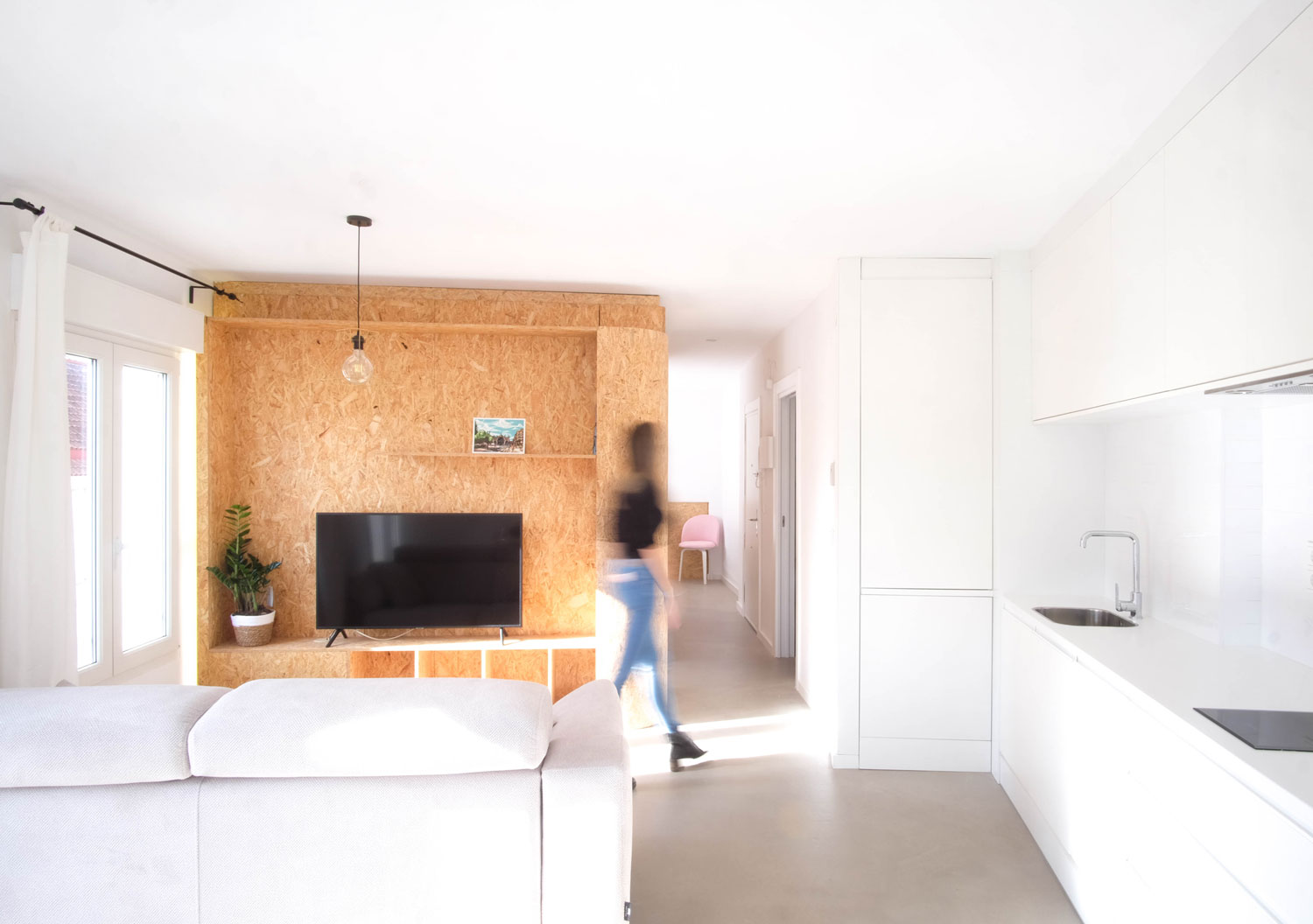
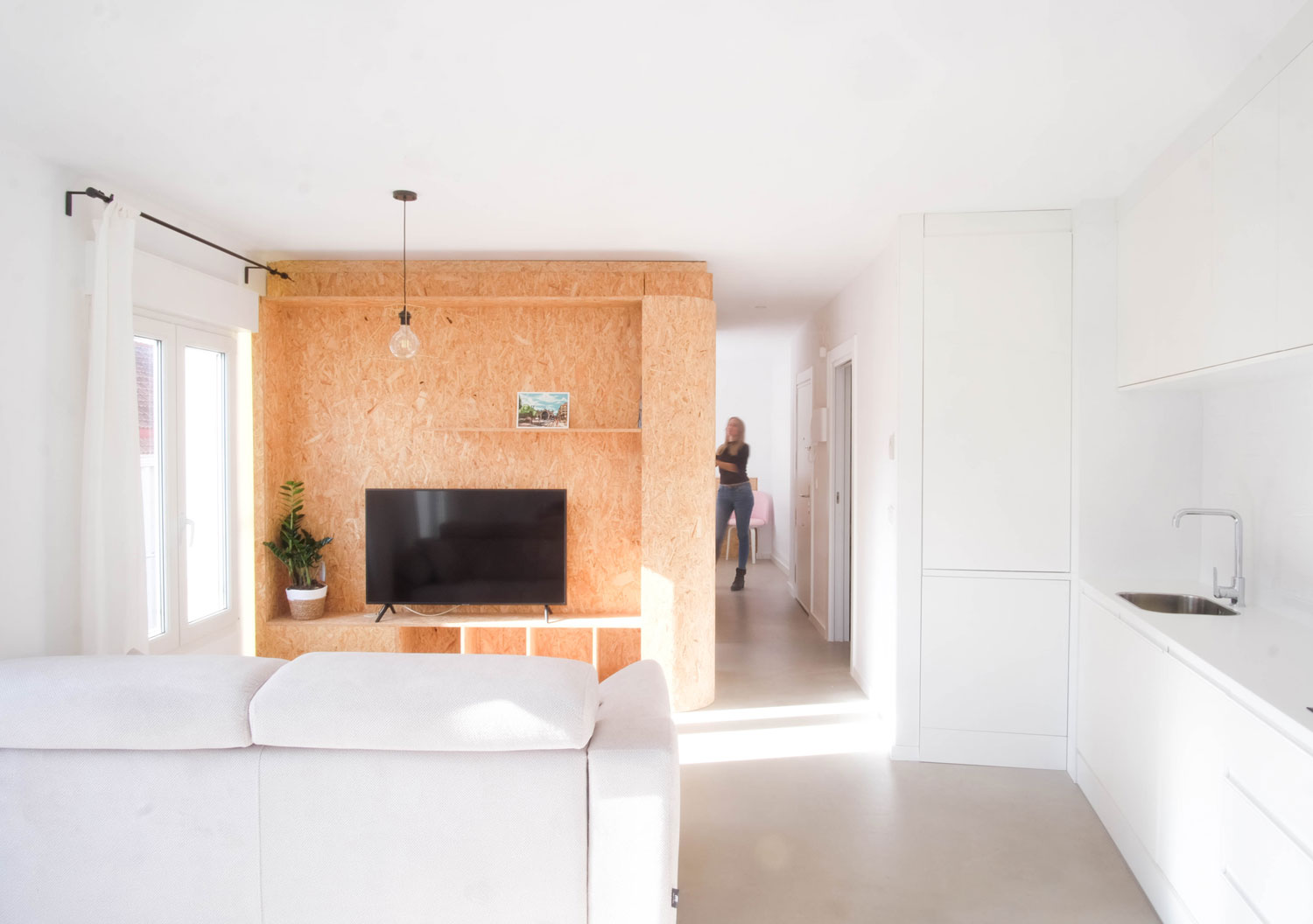
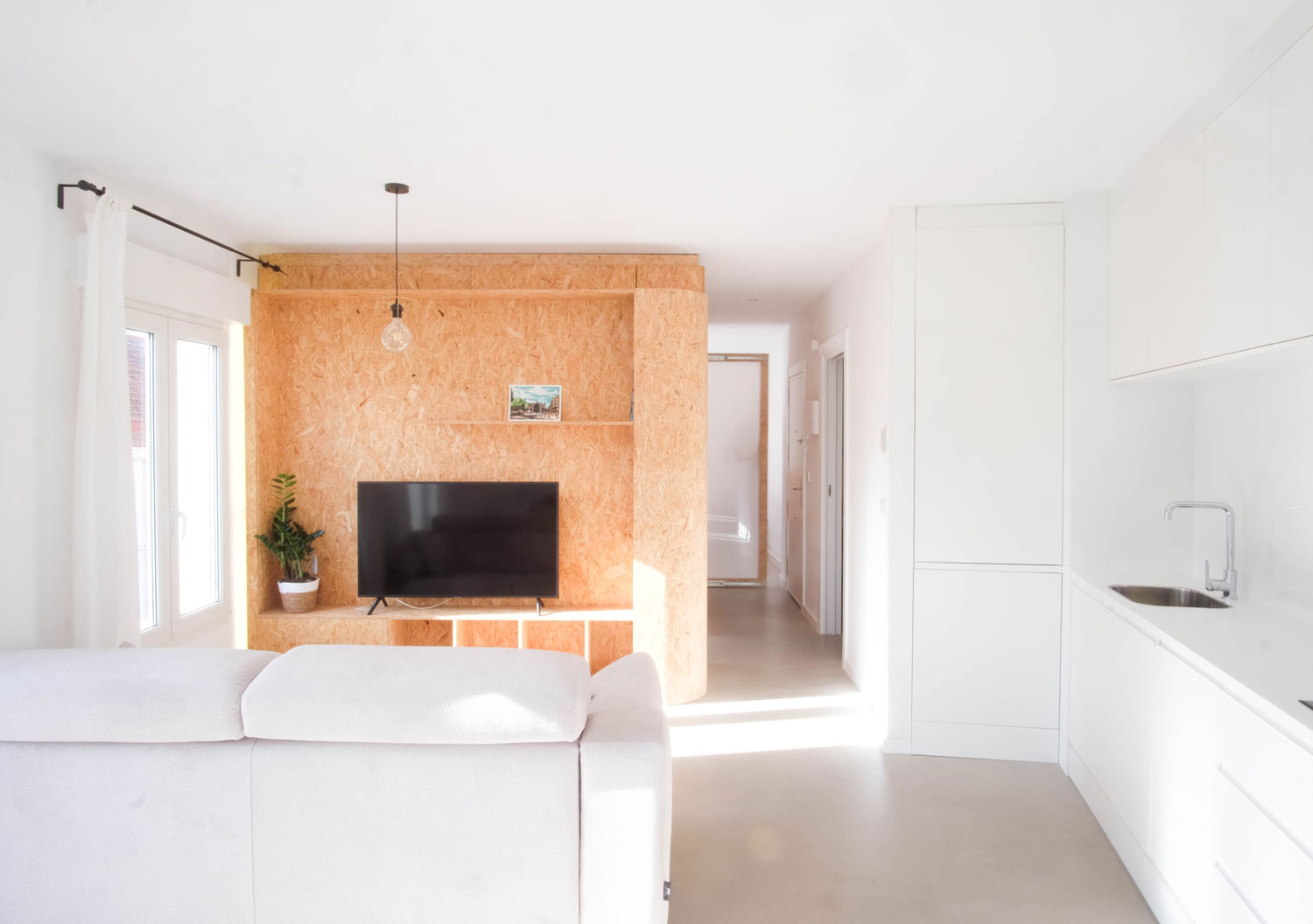
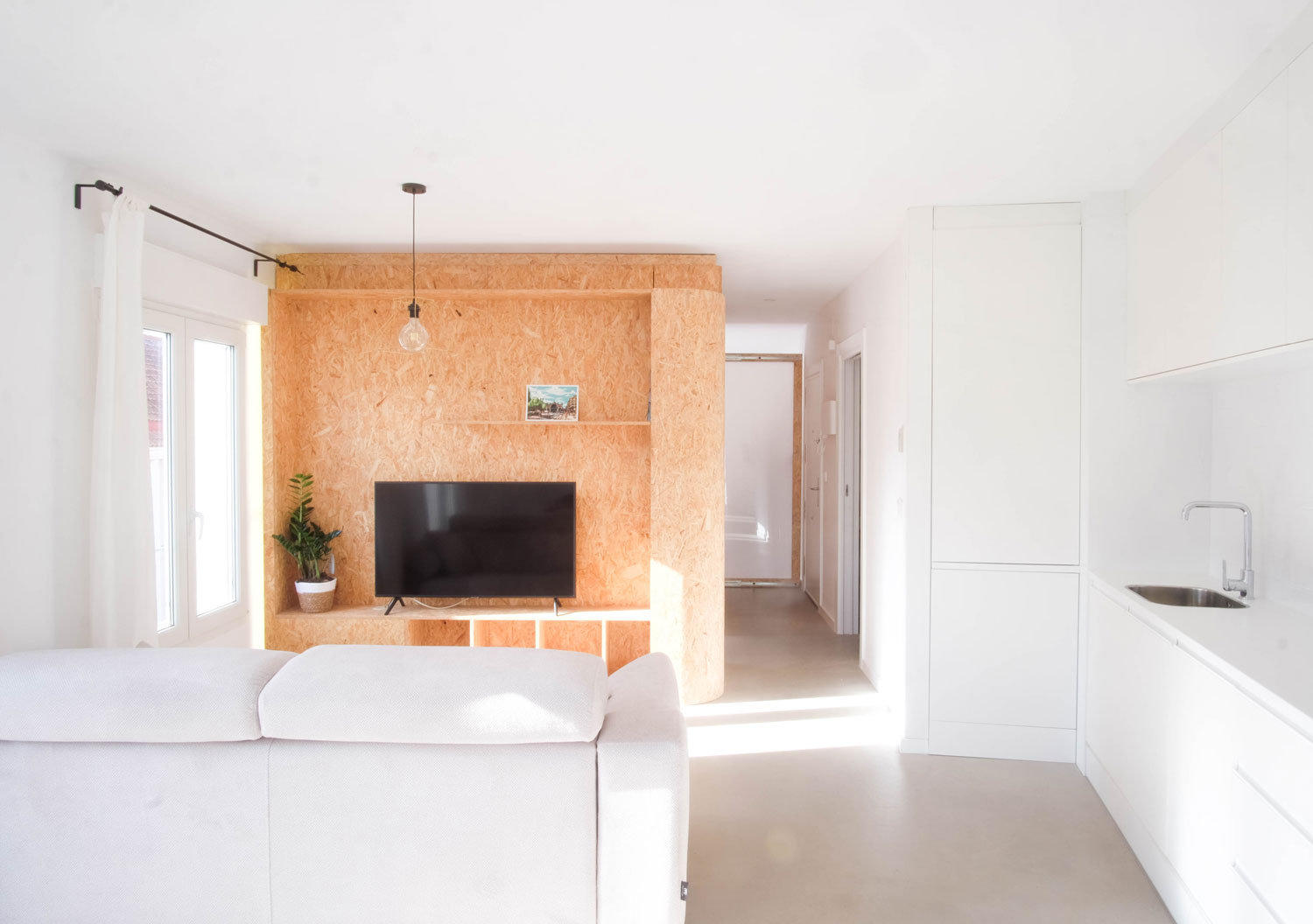
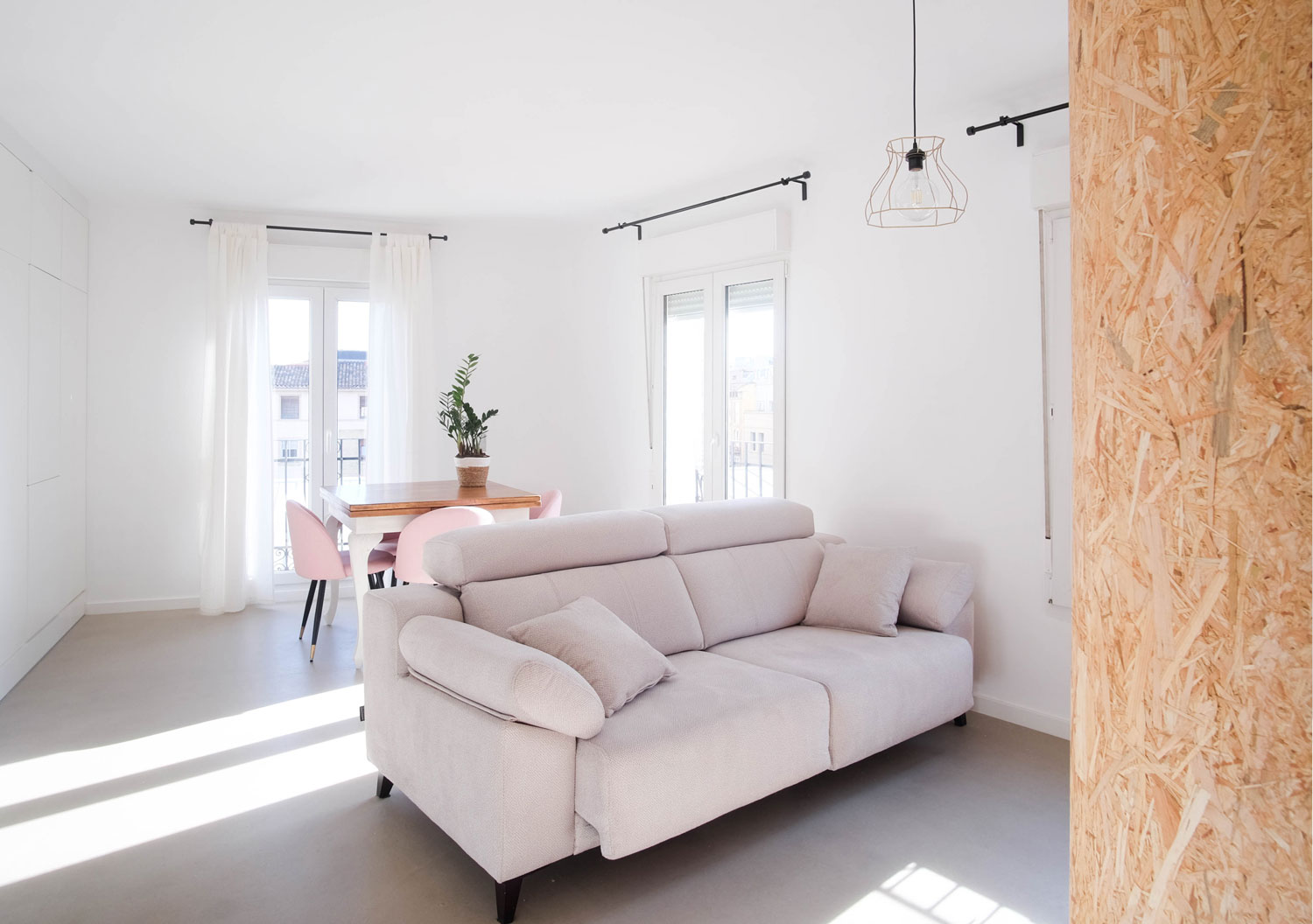
Natural light and space perception
Natural light is an essential resource to visually enlarge spaces:
- Large openings: Large windows and glass doors allow more light to enter and improve the connection with the outside.
- Reflective surfaces: Materials such as glass and glossy finishes help reflect light, increasing luminosity.
- Light colors: Neutral and light tones on walls and ceilings enhance the perception of spaciousness.
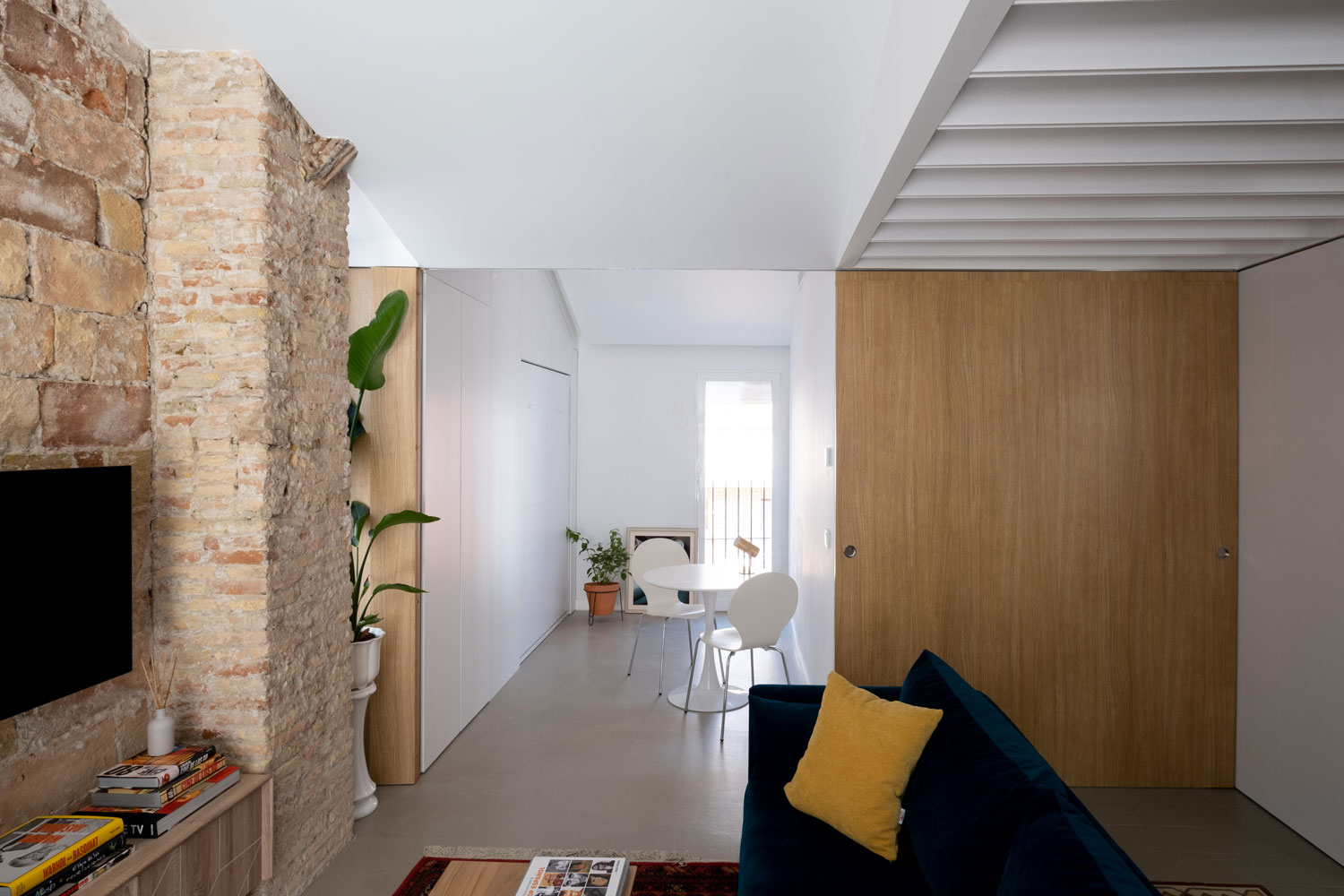
Materials and finishes that enhance spaciousness
The right choice of materials and finishes helps to create visually larger and more pleasant spaces:
- Continuous coverings: Floors and walls with uniform materials generate a sense of visual continuity.
- Soft textures: Avoid overloaded patterns and opt for smooth finishes to reduce visual saturation.
- Light furniture: Simple designs and light structures favor the feeling of open space.
Chronotopes and the architecture of optimized spaces
At Cronotopos Arquitectura, the design of small spaces is an opportunity to innovate and create customized architectural solutions. We approach each project with an approach that combines efficiency, functionality and aesthetics, transforming spatial limitations into comfortable, bright and fully functional environments. Each architectural proposal is a customized solution to the client’s needs.
Thanks to our commitment to optimization and respect for the needs of the environment, at Cronotopos we demonstrate that even the smallest spaces can become great architectural solutions.
Written by Lea Lopes, published by Cronotopos.