
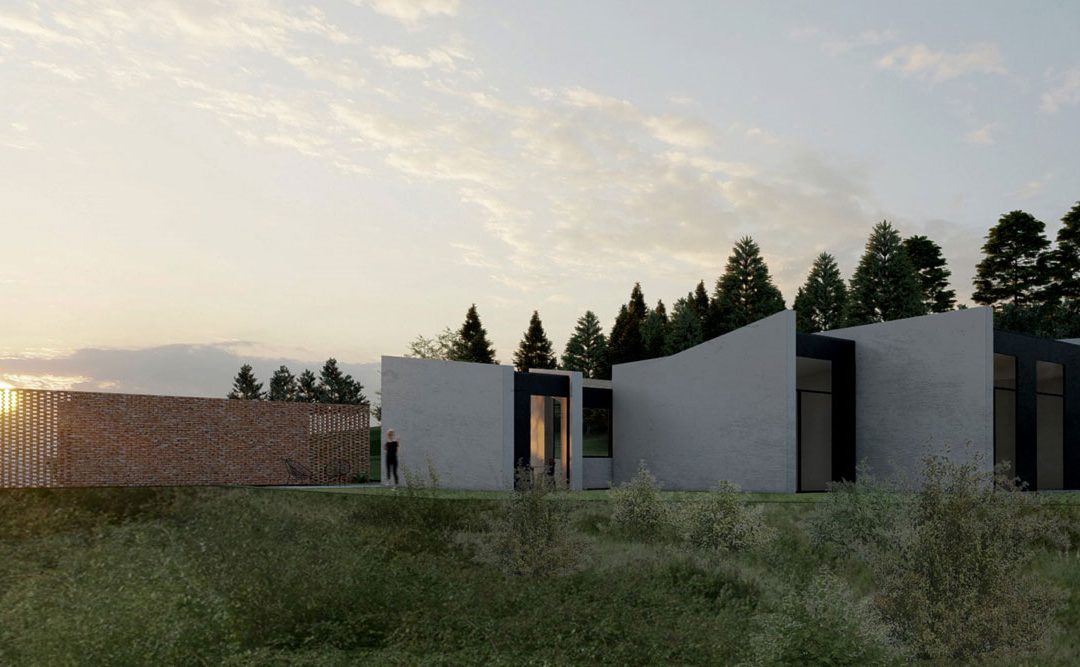
MODULAR HOUSING AS A SUSTAINABLE ALTERNATIVE
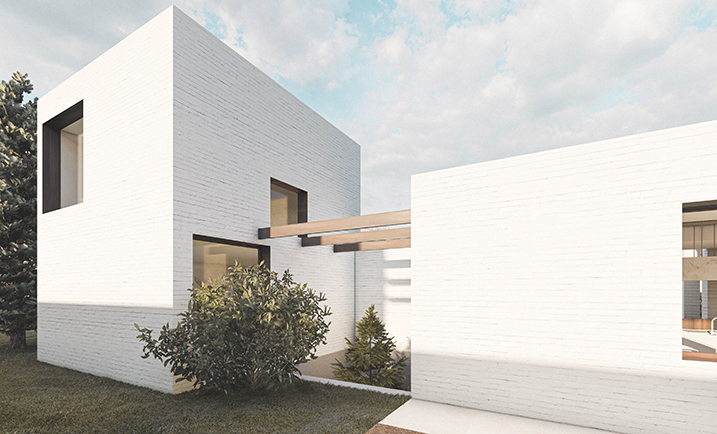
One of their most outstanding features is their commitment to sustainability, as they are designed to make the best use of natural resources and minimize environmental impact, using other thermal and acoustic insulation systems, materials and bio-construction techniques that significantly reduce the ecological footprint.
These homes stand out in architecture for their great flexibility in design. Modules can be combined in a variety of ways to create unique configurations and styles, allowing owners to choose from a wide variety of materials and finishes. In addition, the on-site assembly process can reduce construction times by up to 75%.
On the other hand, the serial construction of the modules allows precise cost control and a significant reduction in material waste, which in most cases translates into a lower final cost for the user.
At Cronotopos, we have had the opportunity to successfully implement these principles in several projects, demonstrating the potential of modular construction to create sustainable, efficient and aesthetically appealing housing.
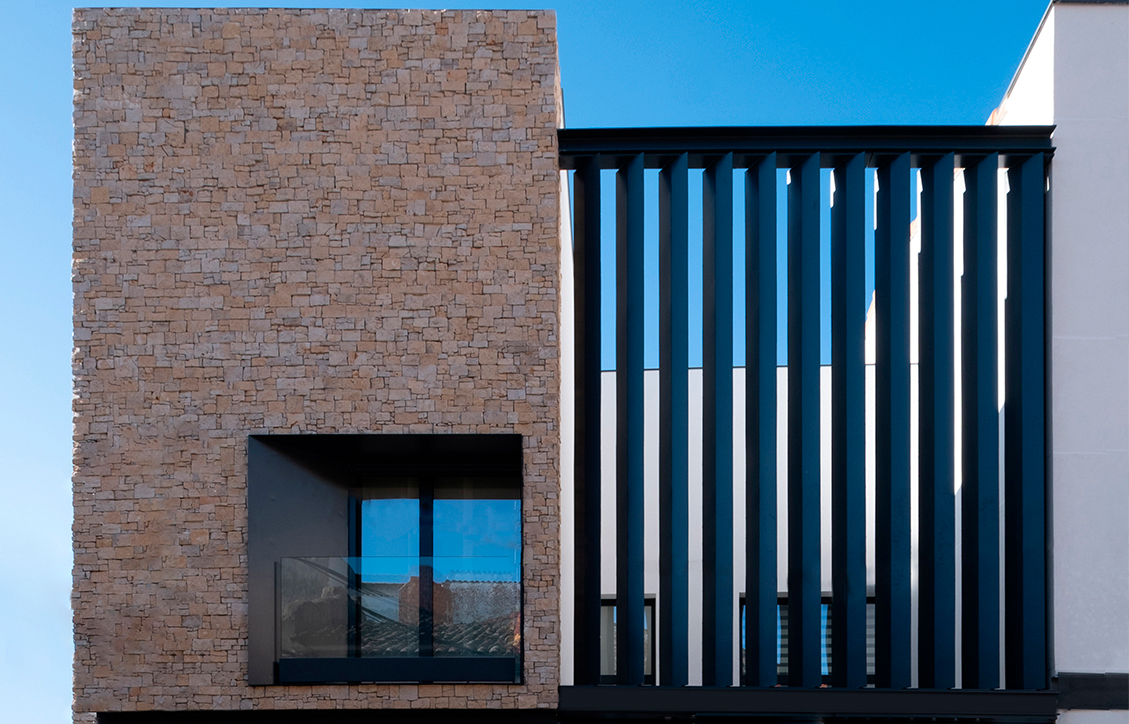
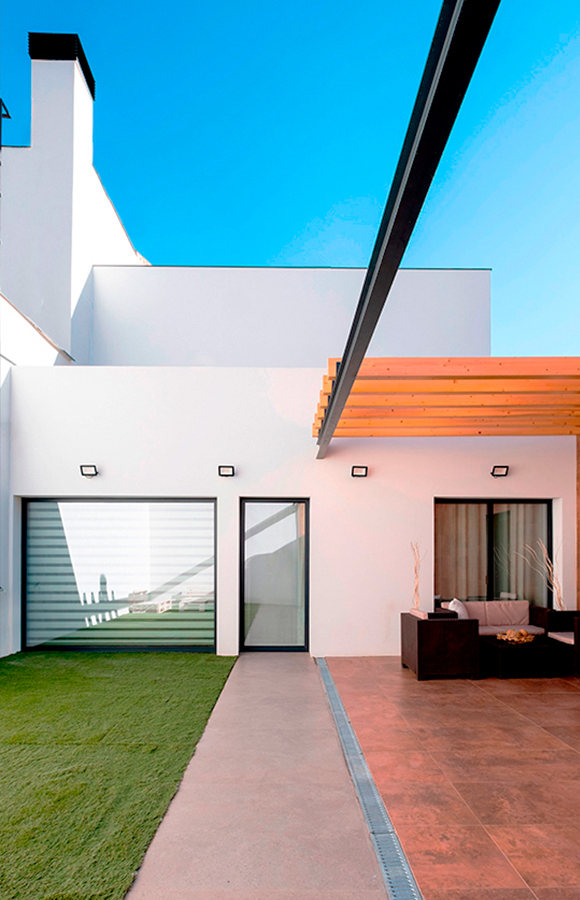
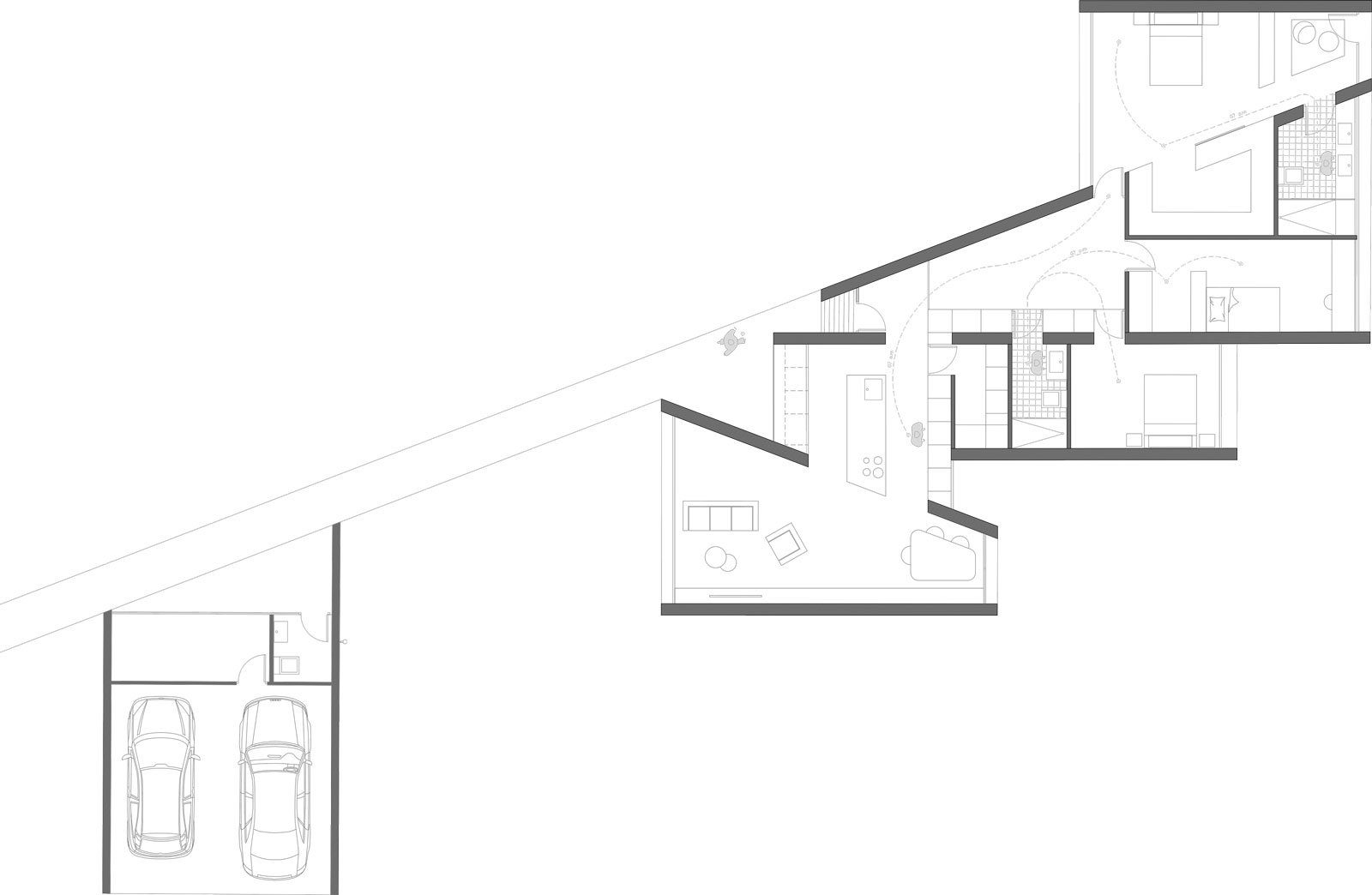
The narrow lot is organized with interspersed courtyards, highlighting one technological and two with terracotta finishes. The interior layout reflects this duality, with service areas in the technological part and rooms in the traditional part, including arches inspired by Aragonese vaults.
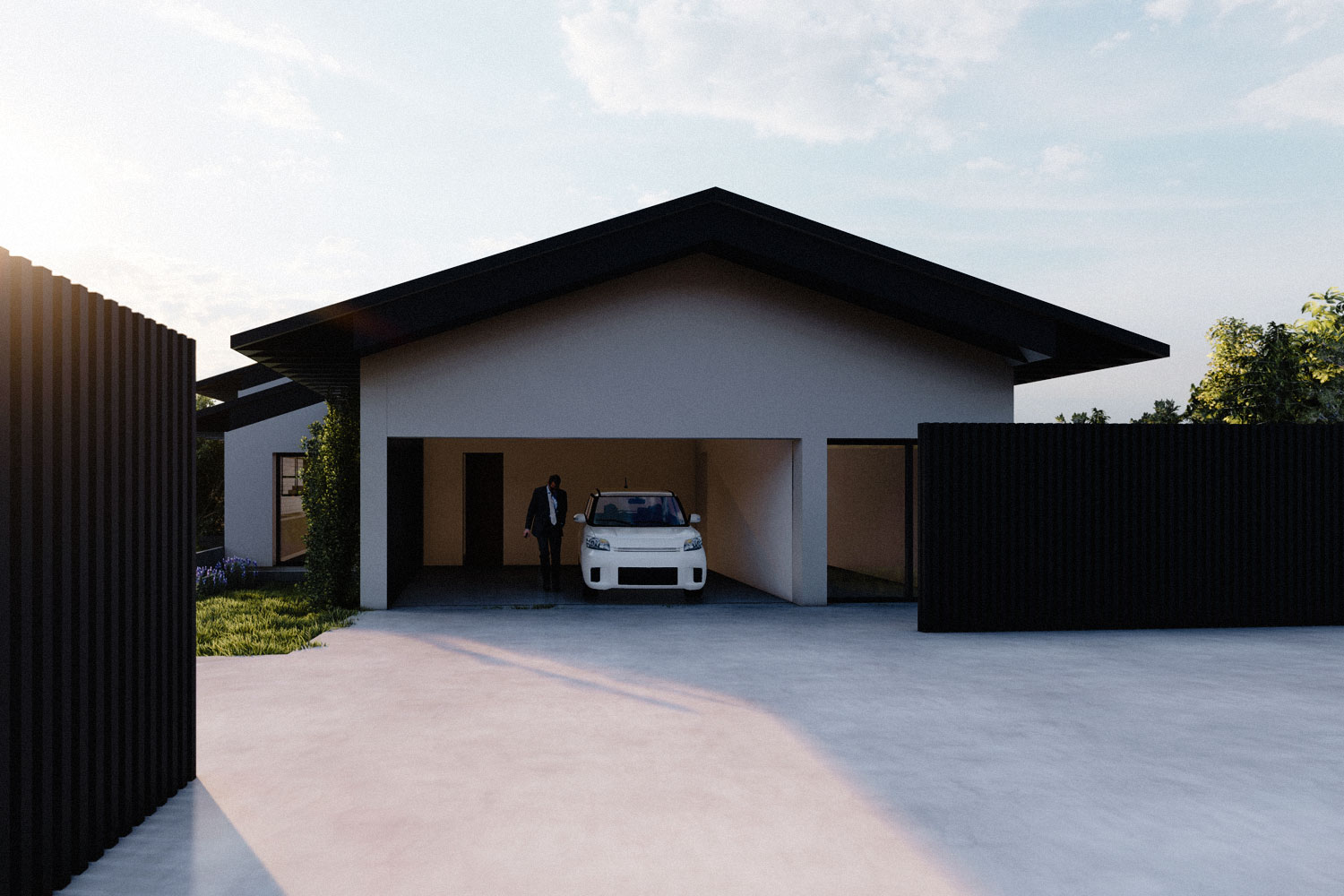
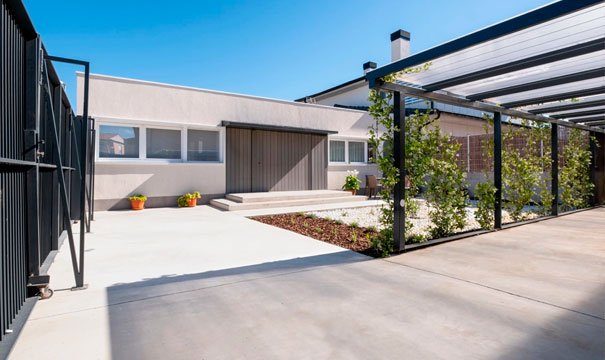
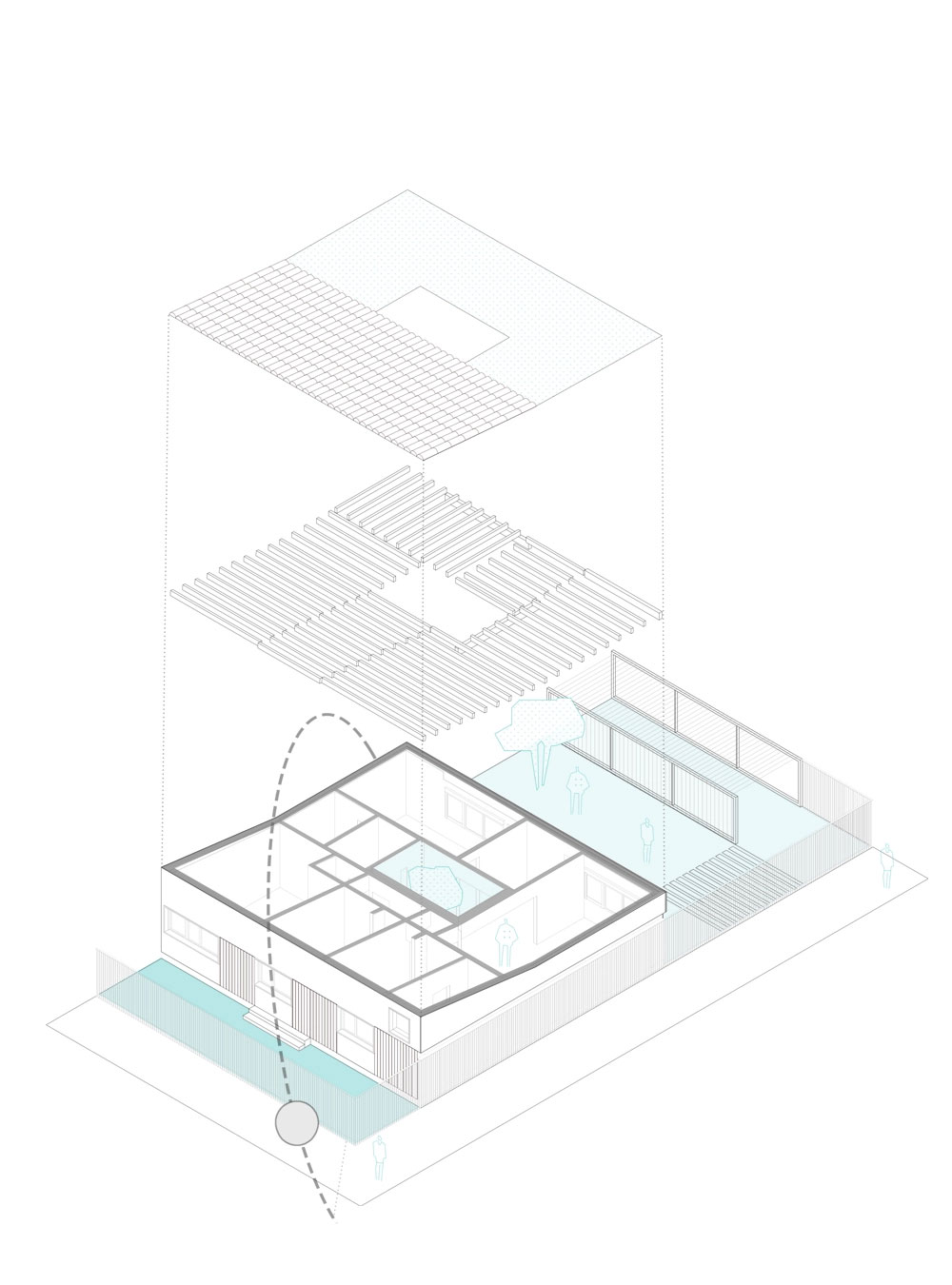
In “vivienda múltiplo de tres” the idea was to design it around a central interior courtyard that expands to three patios, reflecting three different lifestyles for three inhabitants. The house seeks zenithal light from the courtyards and presents a facade without openings for privacy, except for a small upper lighthouse.
The courtyards define daytime, intermediate and private areas, with a flexible and organic organization. The house is energy efficient, using underfloor heating, aerothermal energy and mechanical ventilation. A perimeter fence protects privacy and filters light into the interior.
At Cronotopos, it has been demonstrated that modular construction can offer sustainable, efficient and aesthetically appealing housing to people’s liking. The above projects are examples of how tradition and innovation can be combined in unique and efficient designs, making modular construction a viable and advantageous option for the future of architecture.