The archifact

Ephemeral stand for COAA, Zaragoza, Spain

What is architecture and what is its role today? How do you expose an idea, this idea?

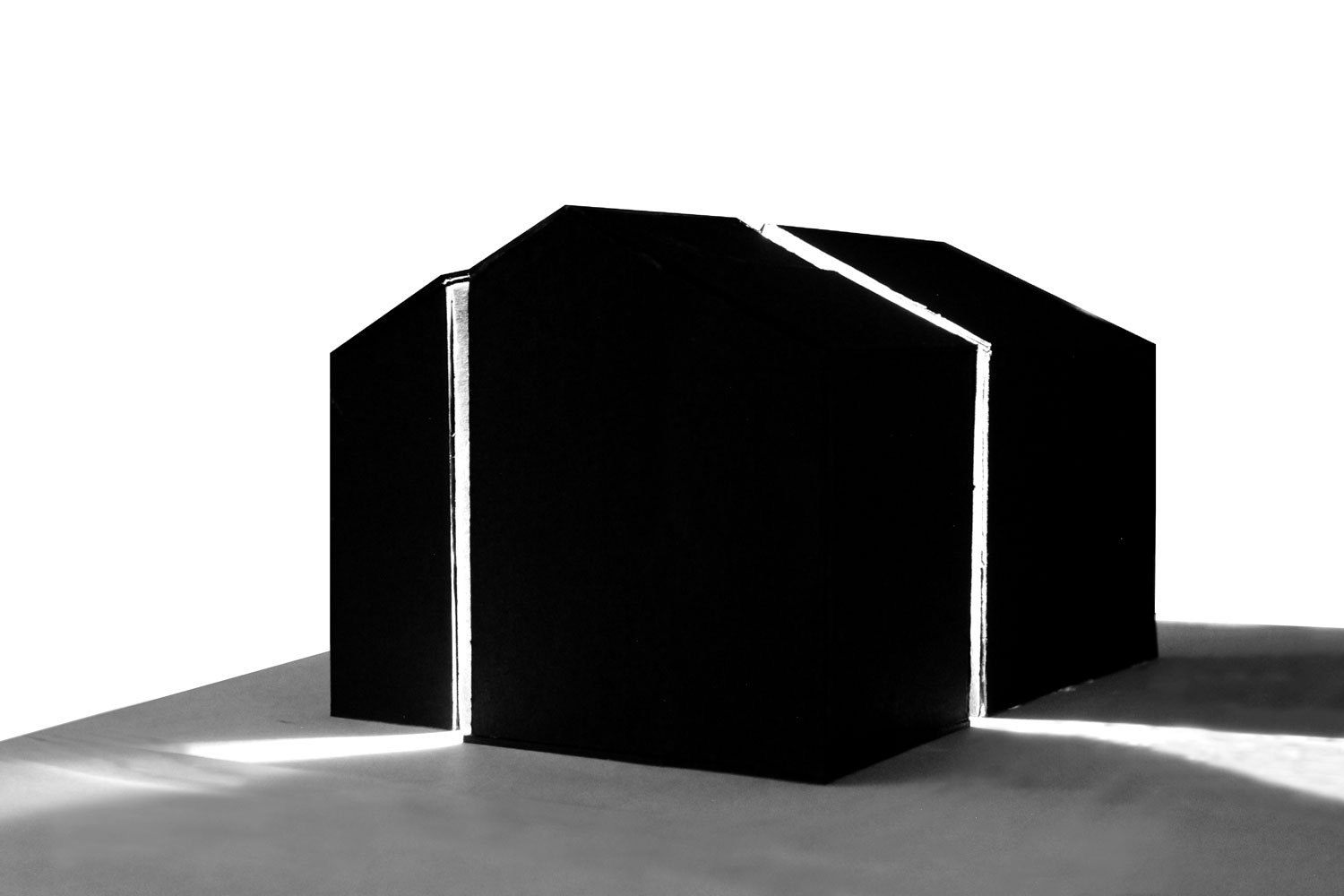
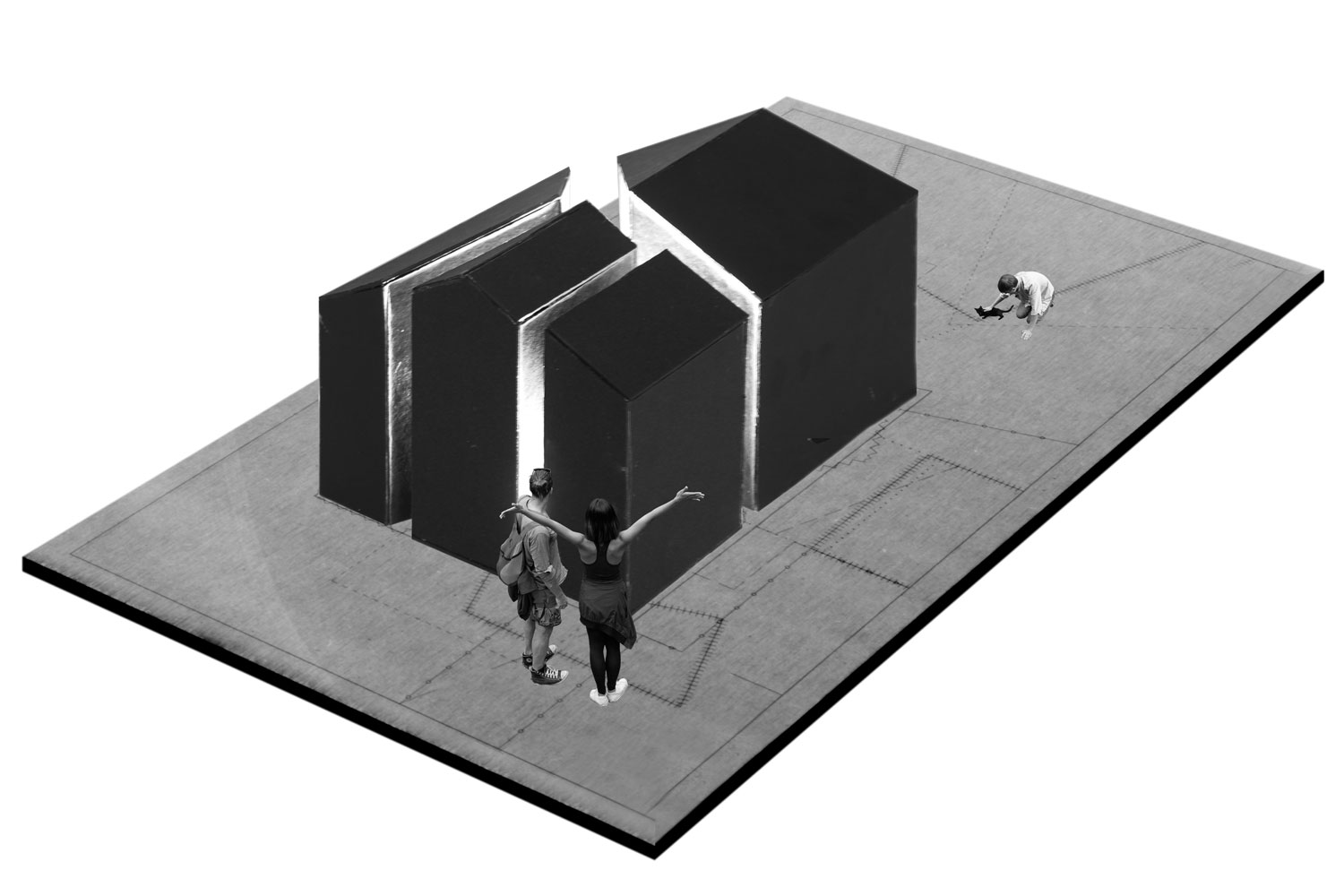
The Archifact conveys what an architect is and why he remains a necessary figure for our lives, landscapes and cities. It is neither a mere show nor an injusficably attractive way, it is a manifiesto of our profession. It all starts from the simplest, most recognizable and closest idea we have of architecture, described as a small gabled house or as that primitive hut that Laugier spoke of. Something minimal, tiny, with a scale that has the will to hide among large volumes, colors and shapes.

Client: COAA
Surface: Changing
Status: Completed
Timeline: October 9-14, 2018
Location: Trade Fair, Zaragoza
Type of work: Modular ephemeral
Construction price: Sponsored

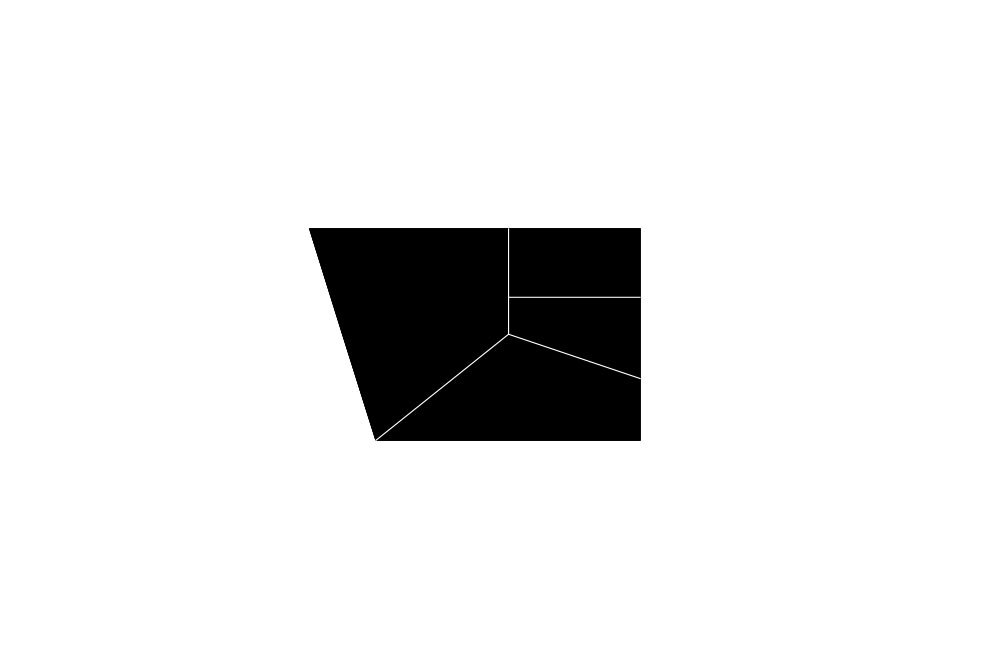
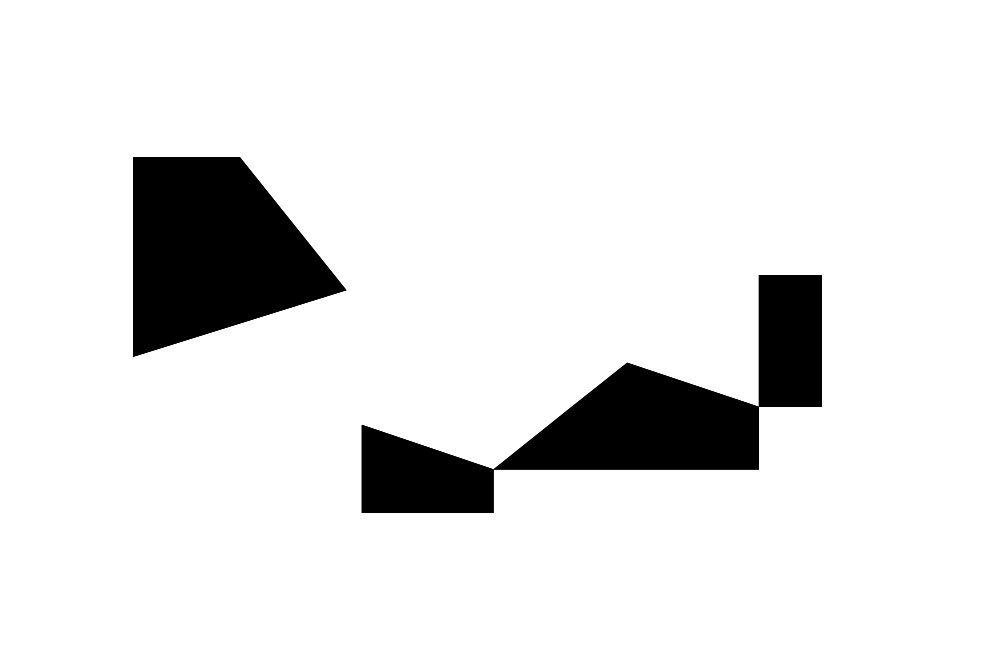
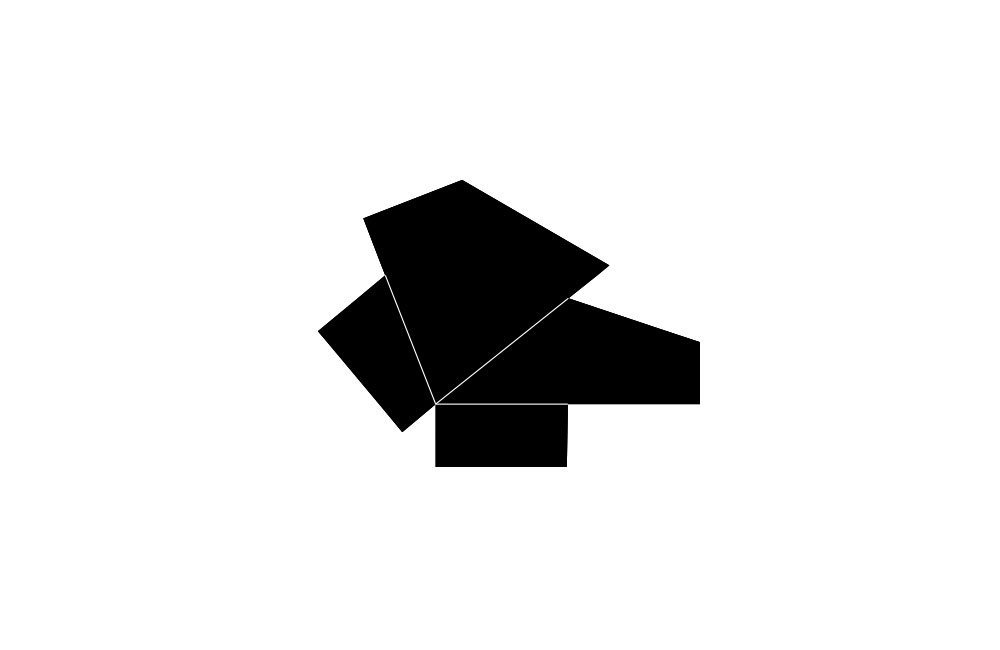
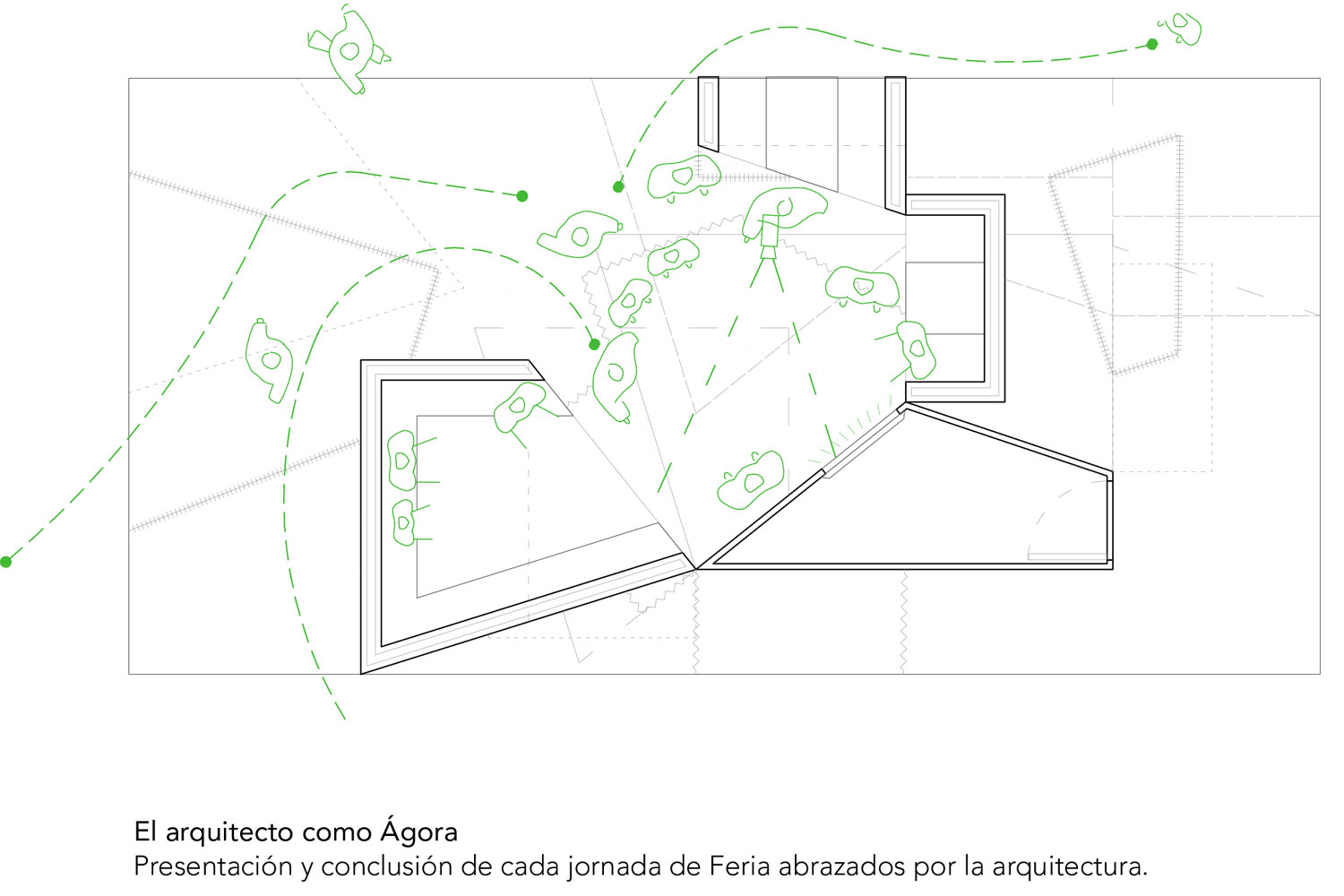
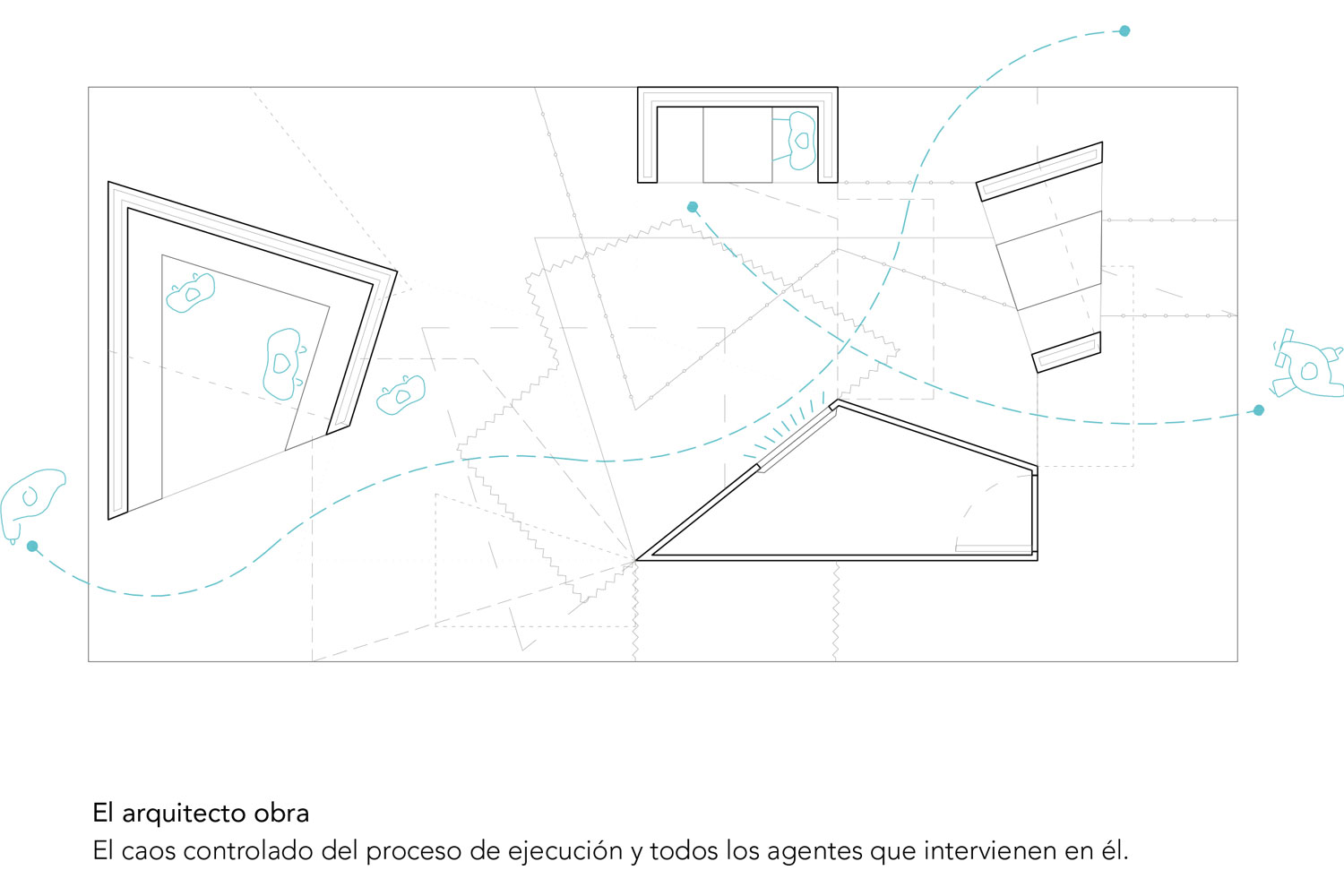
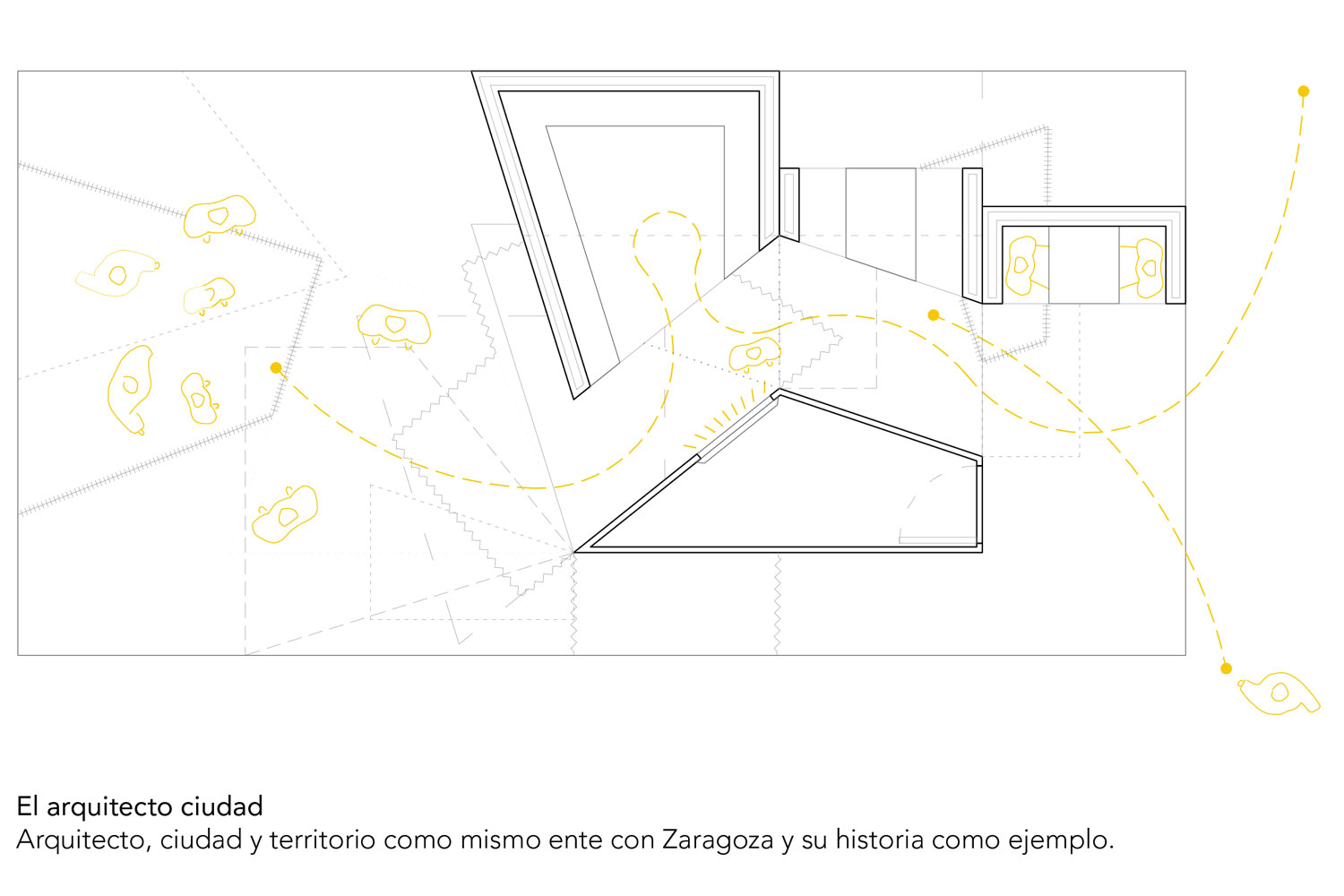
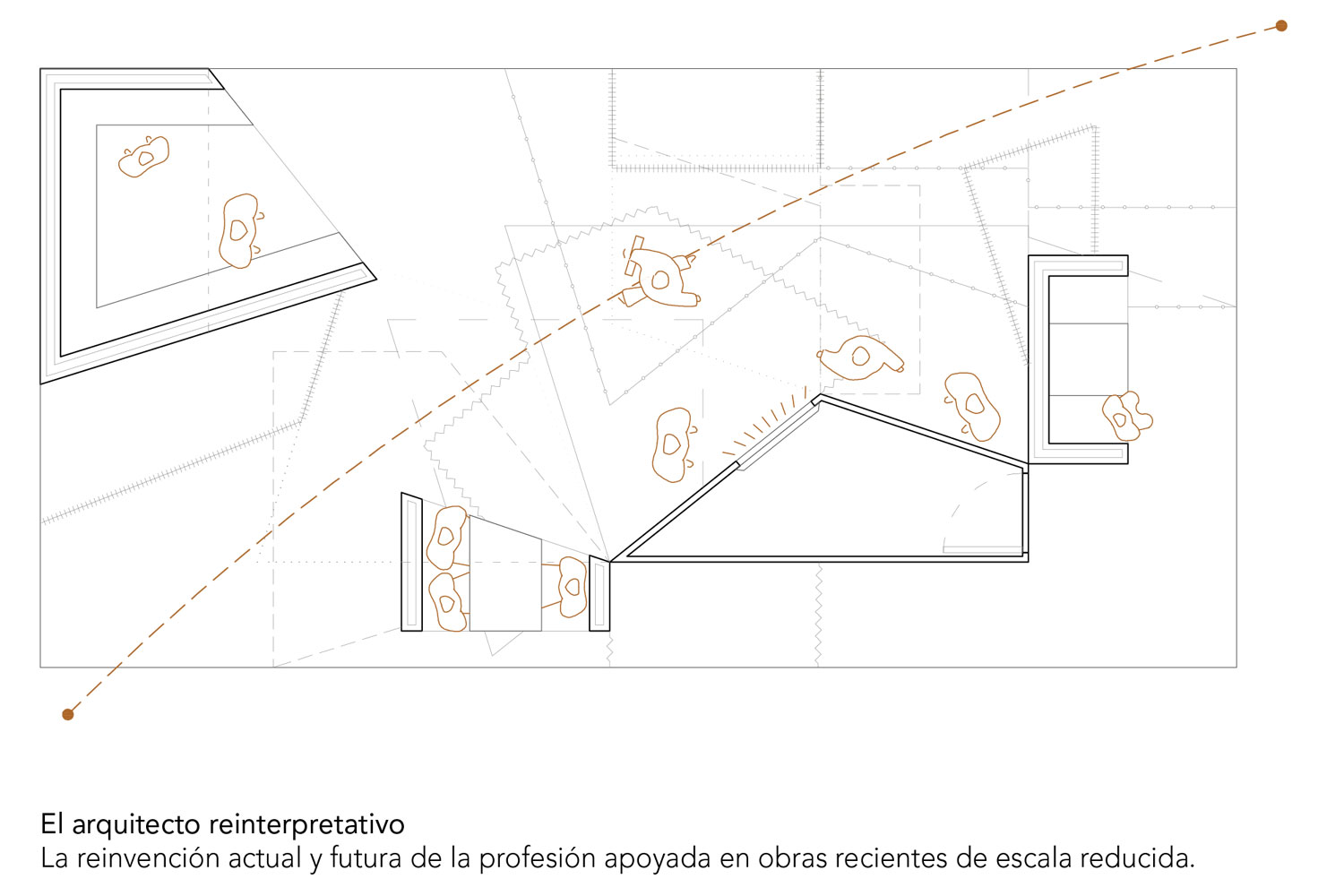
What on the surface appears to be just that, the most ordinary construction, splits into the complex pieces of a game that transforms, divides and reinterprets itself through the shifts and turns of its own fragments on a game board. Movements that allow you to train and adapt to the different needs that arise. The game is made possible thanks to the layouts that indicate the place in which to place its different fragments according to the requirements and that allow activating not only the ground plan and the Archifact itself, but also the imagination and spatial vision of the visitor.
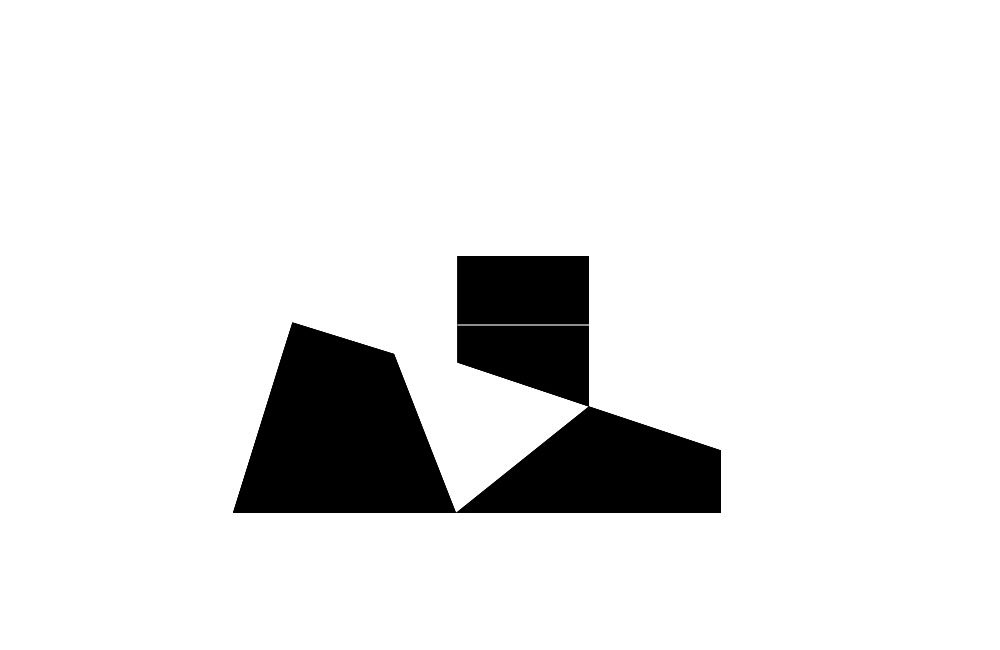
These lines represent with the minimum the capacity and obligation that the architect has to elaborate multiple known futures, as well as to leave the possibility for others that are still to be known, to appear, when needed, in the most spontaneous way.

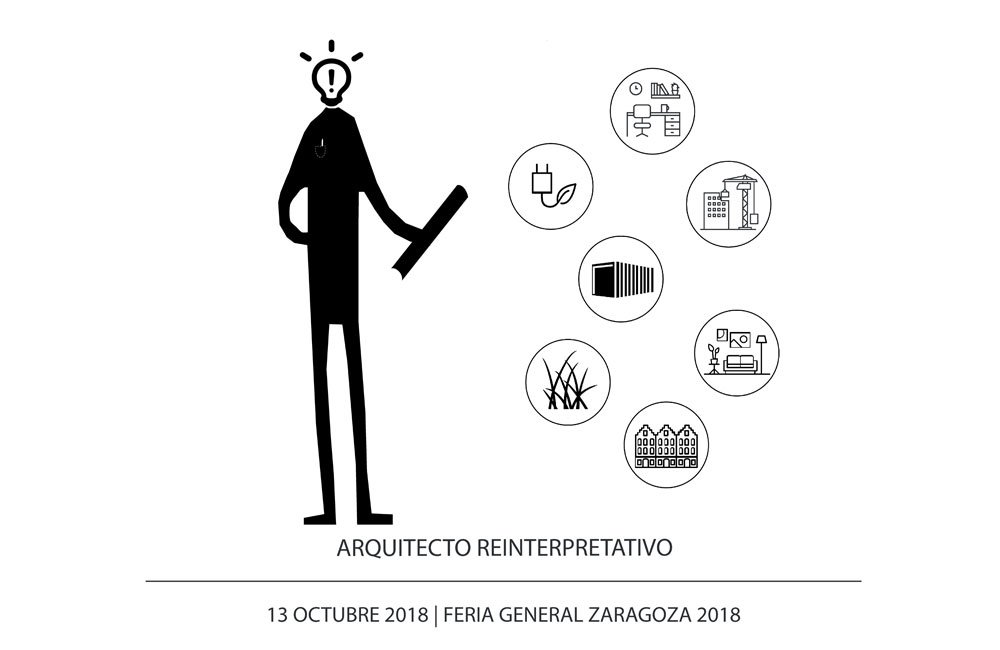
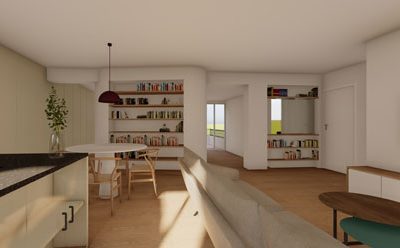
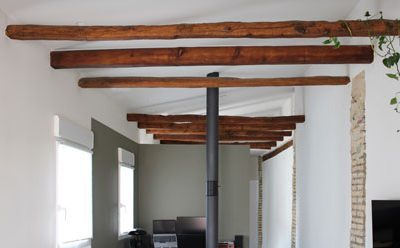
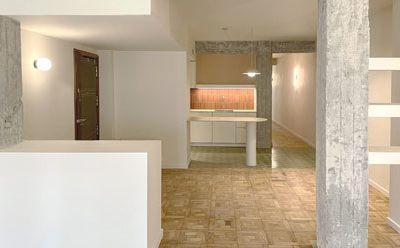
The Archifact layout is the most expansive, and it is this type of work that is probably the most prevalent today and in the near future of the architect. The content will highlight the works of rehabilitation, interior design, reform or accessible adaptation, as well as all those works based on reinterpreting spaces that had previously been inhabited.

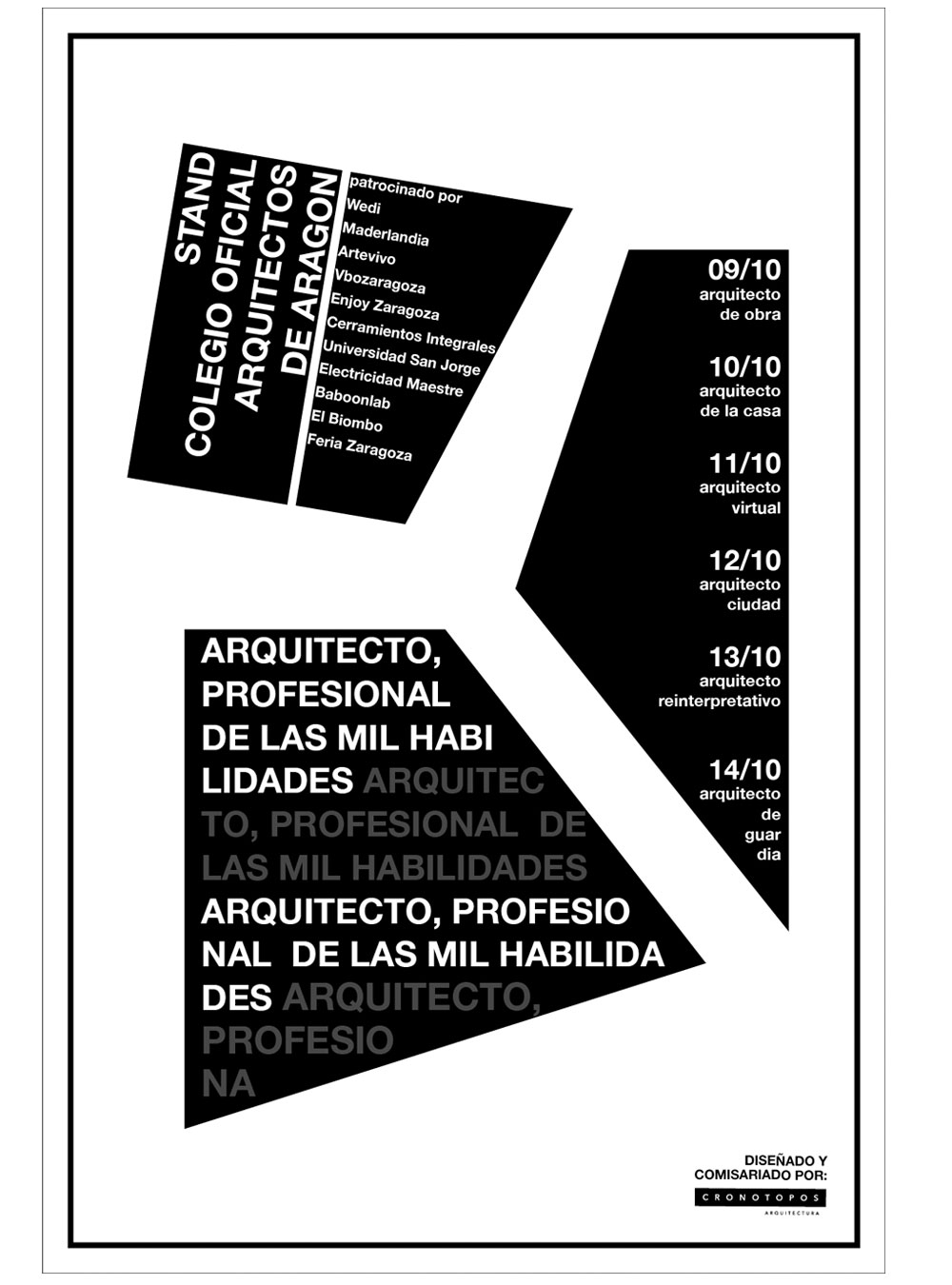
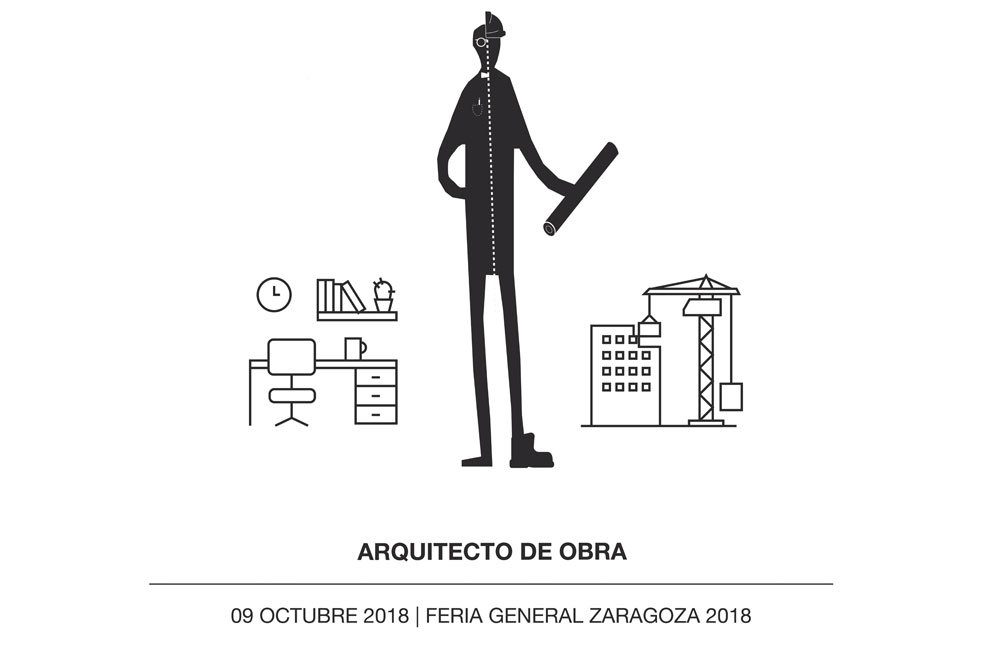
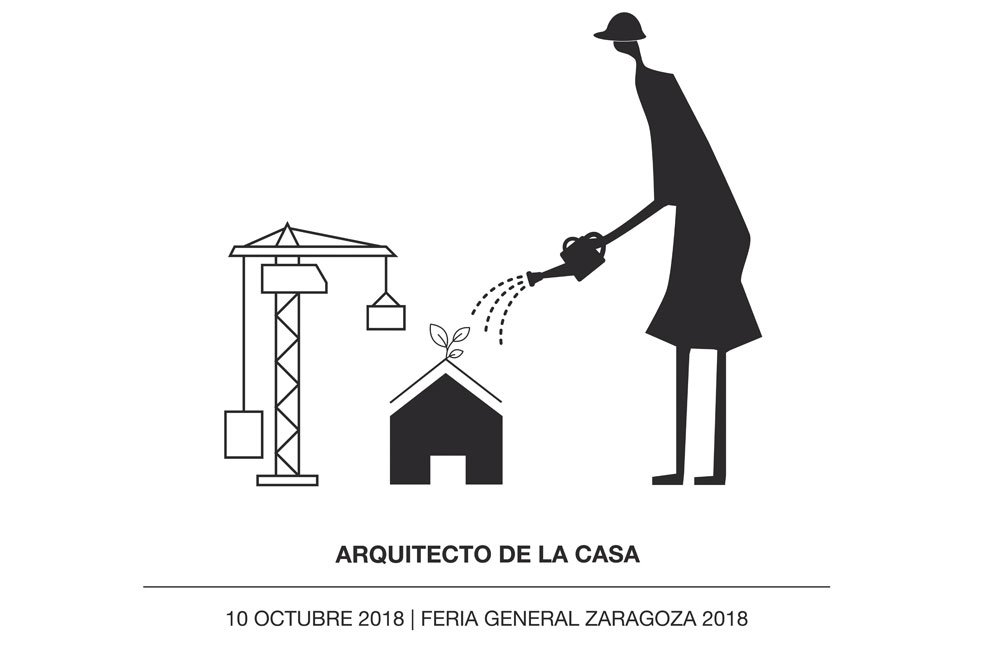
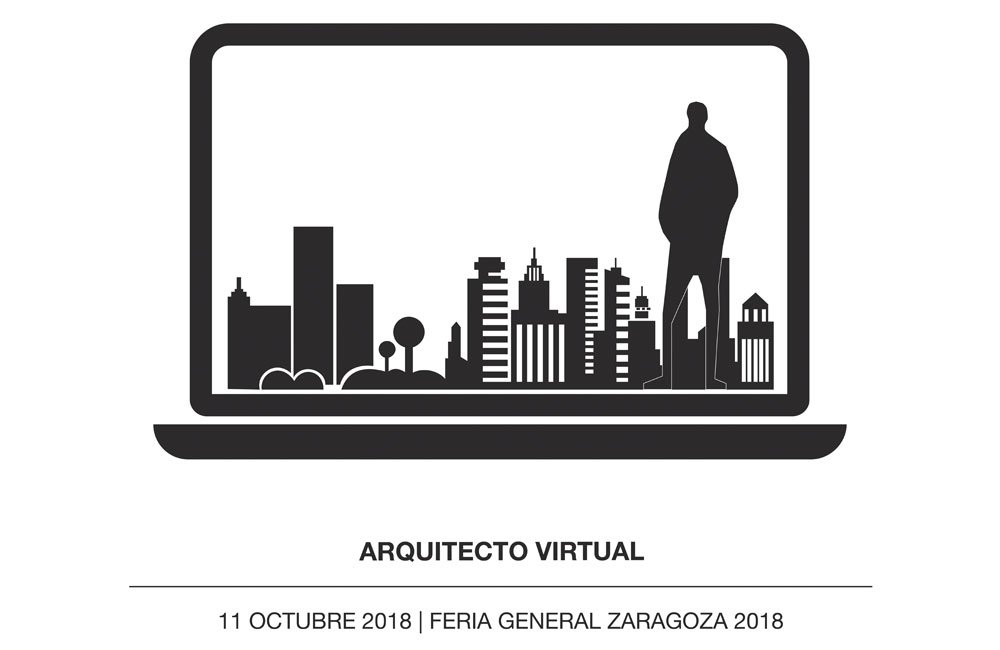
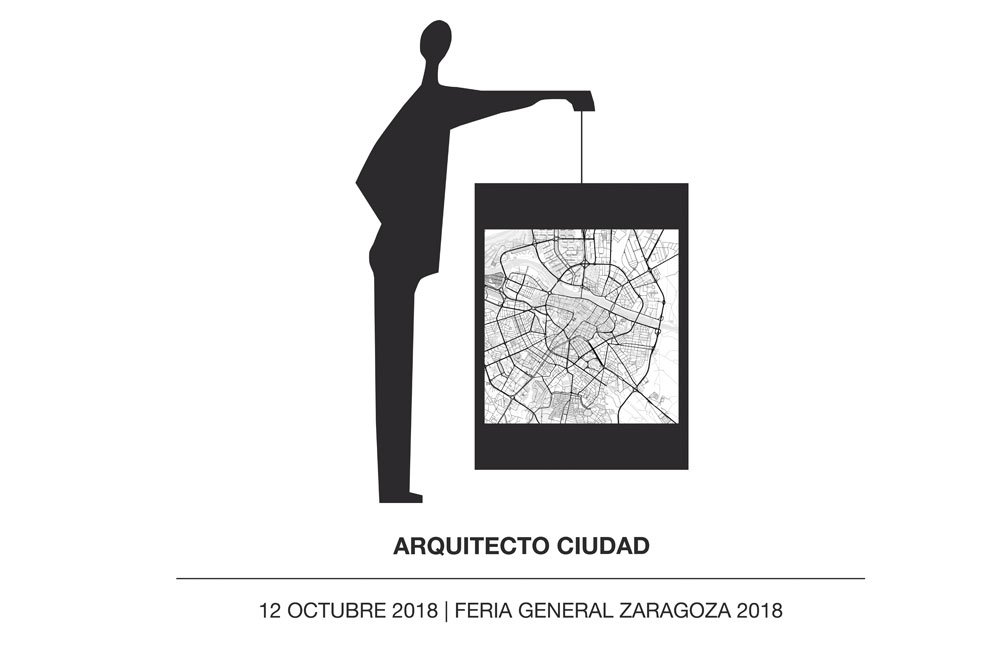
The exhibition “Architect, professional of a thousand skills” inseparably linked to the different positions of the architect, breaks down and arranges, one by one, the different skills of the professional, understanding as equally valid those related to the act of building and those connected to any of the other facets that the architect exercises in which the work does not intervene. In this way the project develops an argumentative content that, starting from the rational volumetry that represents the traditional architect, will show through its changes, the different figures of today’s architect.

The ideal position to display this exhibit is when the Archifact is closed in its original state. Once it is active, the temporary exhibitions are the main highlights:
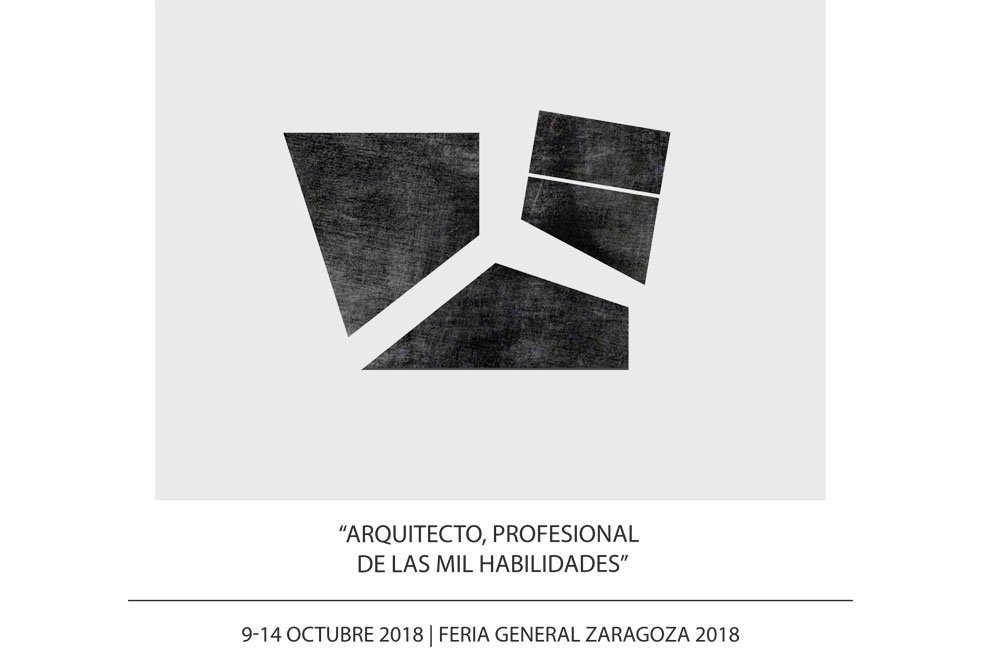
Pre-intervention state, Project and Use Flows.
The different configurations of the Arquifacto always have one point in common: a fixed service module that, while serving as a small warehouse, is the only body connected to electricity to support the rest of the spaces that move around it, either with light, screens or projectors that help generate different types of exhibitions and situations. Access to the interior of this nucleus is only allowed to stand personnel, who from there activate the process of metamorphosis that the Arquifacto undergoes over time and space.
Wedi panels are used to give reality to our idea, as a support for the architect’s imagination. It is the panels that give the shape and entity to the four modules. They are not intended solely for flat superficial elements, such as walls, ceilings and floors. Our entire universe is built with them: cuts, angles, tables, chairs, display stands, doors… In addition, the interior offers a small detail for the trained eye: a soft curve that turns the angularity of the exterior into a continuous surface where the light slips and blurs.
An extreme simplicity with the power to become everything not only in the conceptual, but also in the constructive field.

1 Wooden linear substructure for WEDI panel 70×50 mm
2 Rectangular wooden crosspiece 70×50 mm
3 Screws for WEDI panel fasteners
4 WEDI 50 mm rigid panel
5 Plastic paint finish e=3mm
6 Wooden rectangular frame 70×50 mm
7 Rolling support for wooden substructure ø 50 mm
8 WEDI 50 mm curved panel
9 Wooden curved support for WEDI panel

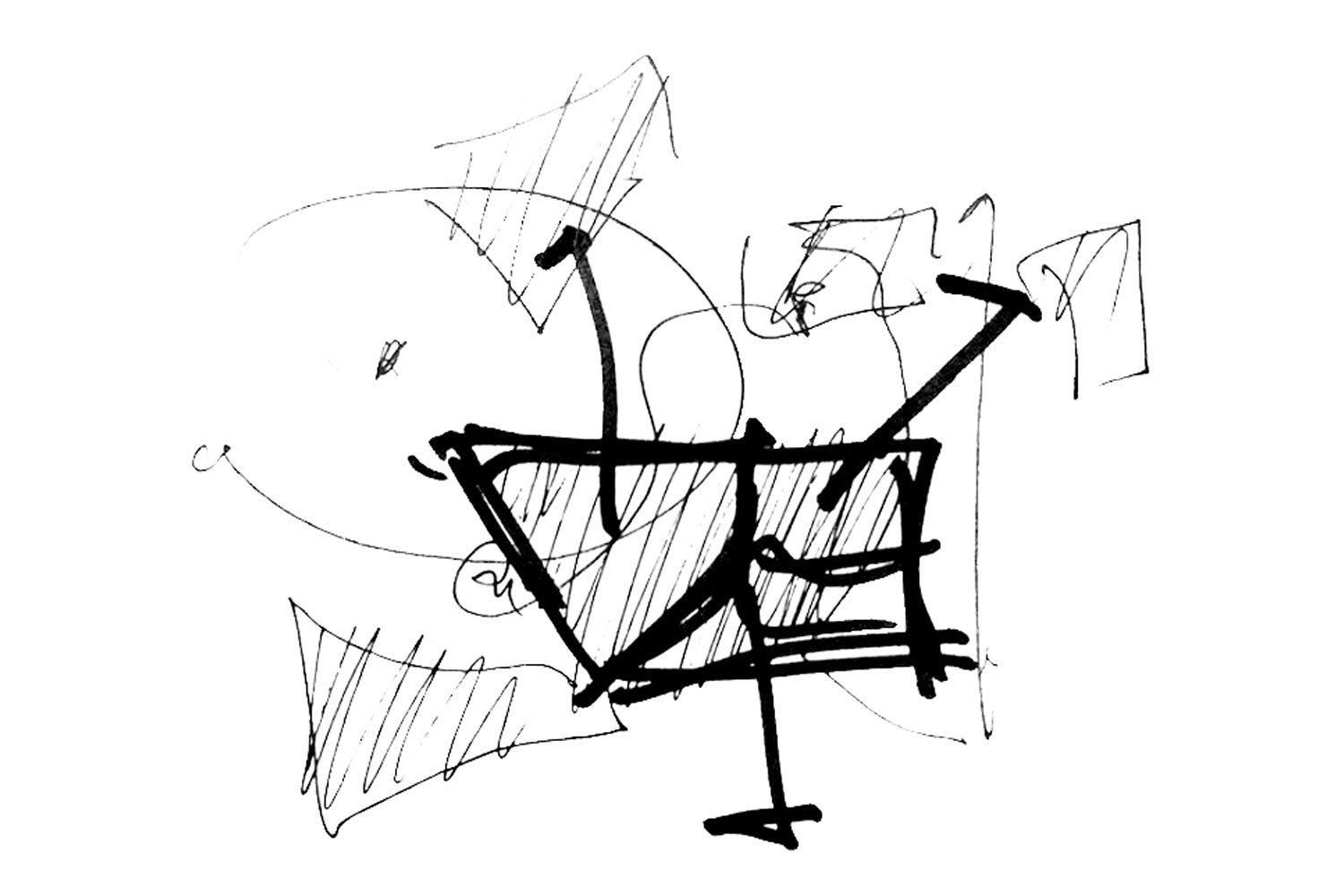
Drawing by Alejandro Lezcano Maestre, Architect Director of Cronotopos Arquitectura