
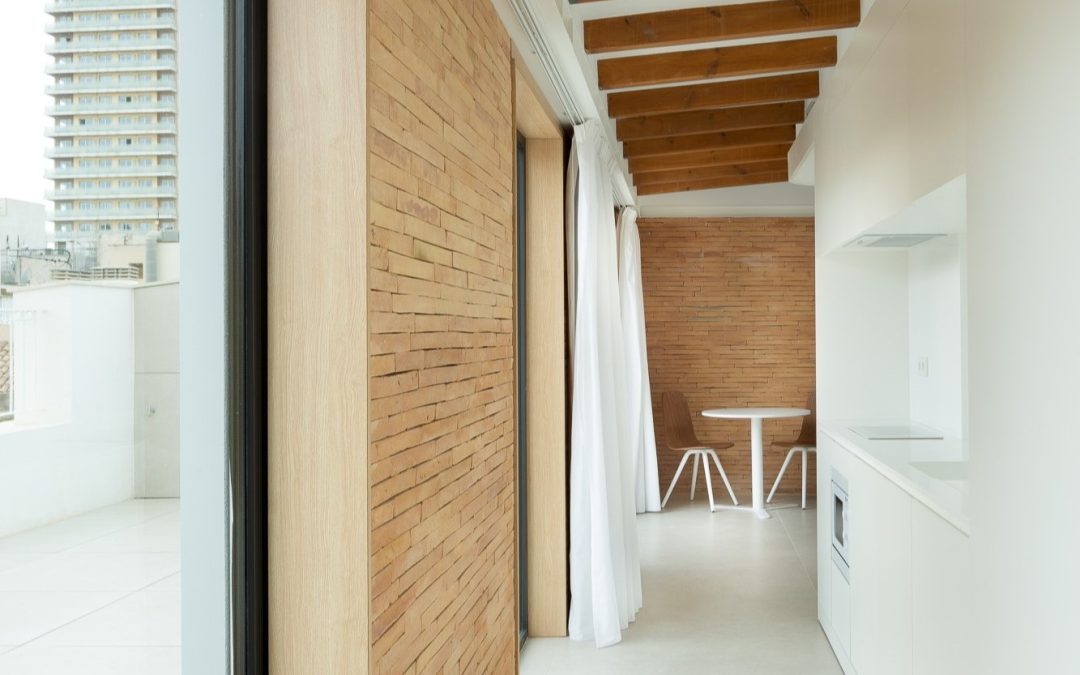
What are the best design strategies for small plots of land?
Efficient design on small lots requires a strategic approach that optimizes available space without sacrificing comfort. Some of the most effective strategies include:
- Vertical design: Taking advantage of the height with multiple levels allows to expand the usable surface and differentiate functional areas.
- Multifunctional spaces: Integrate flexible use areas, such as living rooms that convert into bedrooms or open kitchens that extend into the living room.
- Circulation optimization: Minimize corridors and non-essential traffic areas to dedicate more space to living areas.
- Use terraces, interior patios and vertical gardens to expand the usable area and improve the connection with the environment.
- Smart storage: Incorporate integrated solutions such as modular furniture and built-in storage to maximize every nook and cranny.
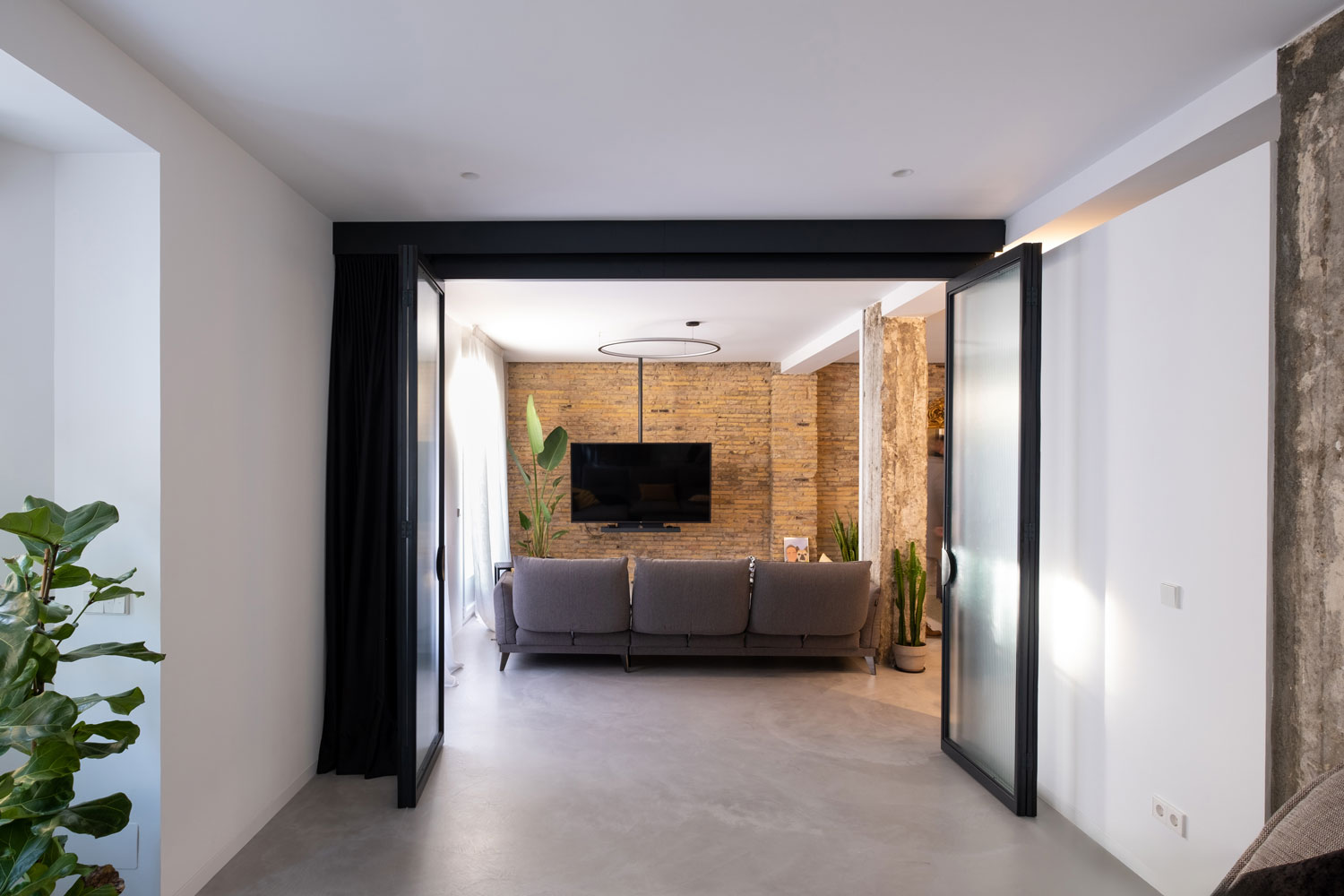
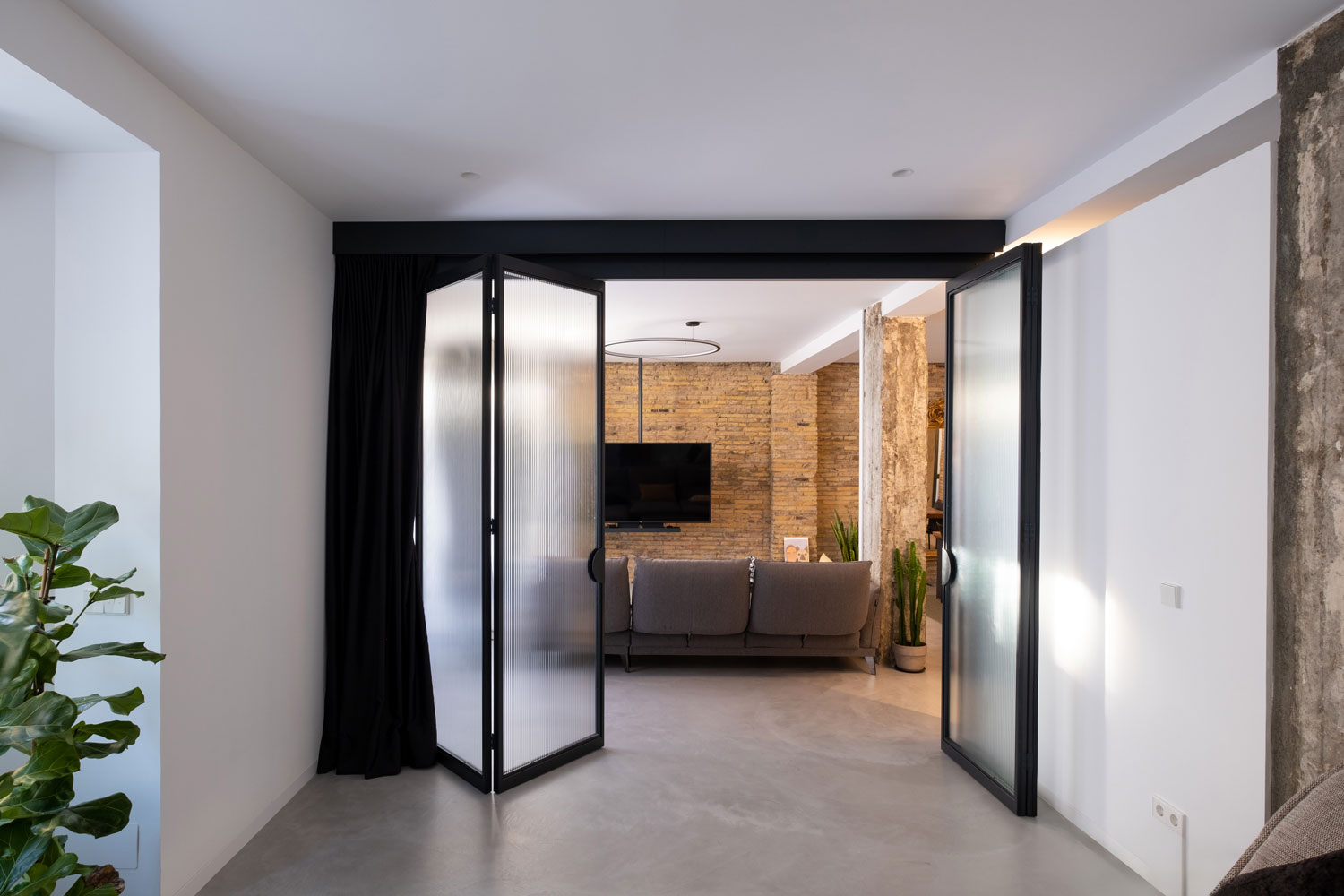
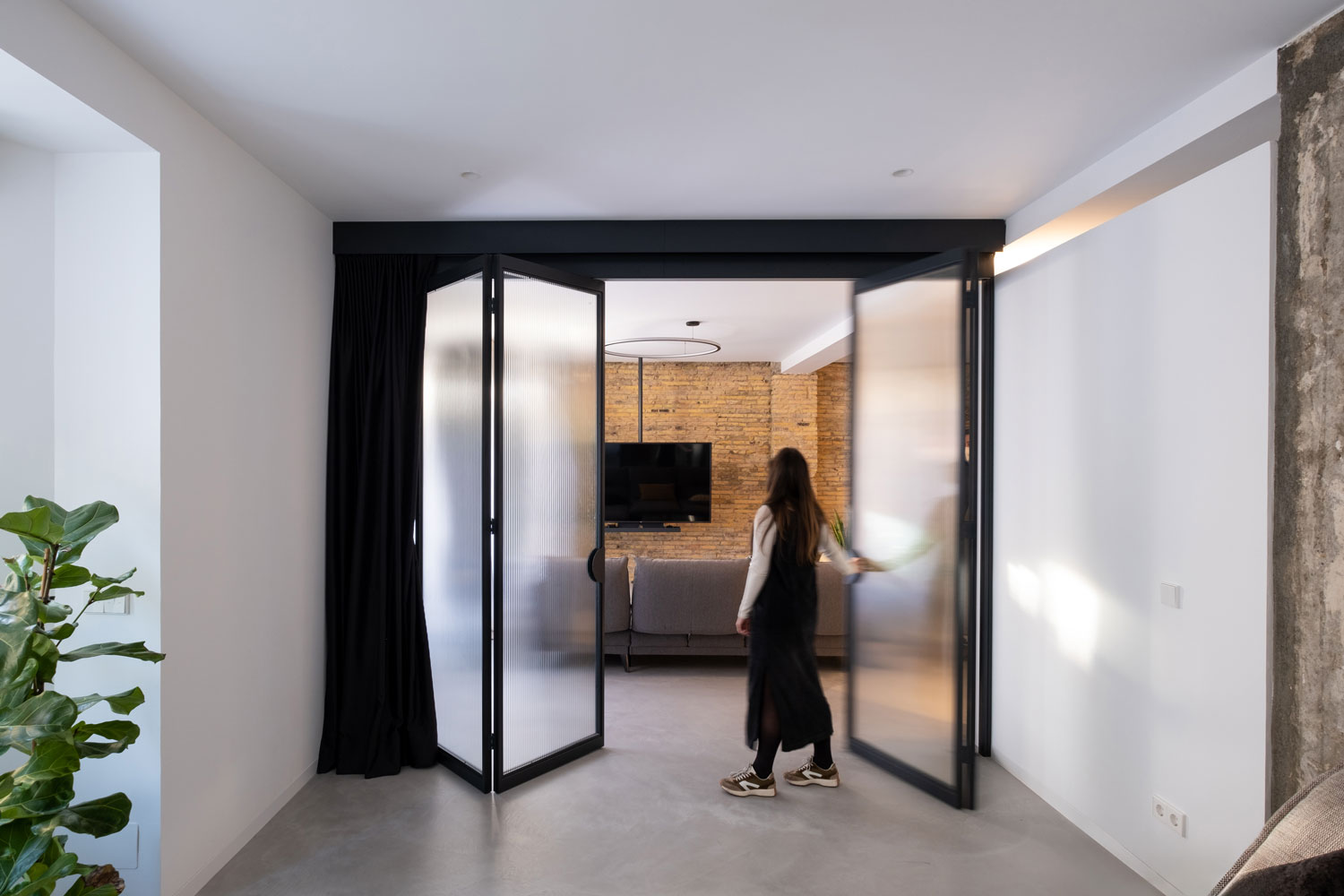
What types of buildings are ideal for small plots of land?
The choice of construction type is key to getting the most out of a small lot. Some ideal options are:
- Compact homes: Designed with an efficient layout, these homes make the most of space without losing functionality.
- Modular houses: They allow flexible and scalable planning, adapting to the changing needs of the owner.
- Multi-level buildings: Houses with two or more floors optimize the horizontal surface by expanding vertically.
- Lofts or open spaces: Reduce interior divisions to create a feeling of spaciousness and fluidity.
- Annexes or micro-housing: Small independent constructions that complement the main dwelling.
How do you make a small lot feel larger?
Creating a sense of spaciousness on small lots is possible with well-planned architectural design. Some effective techniques include:
- Use of light colors: Neutral tones on walls, ceilings and floors reflect light and visually enlarge the space.
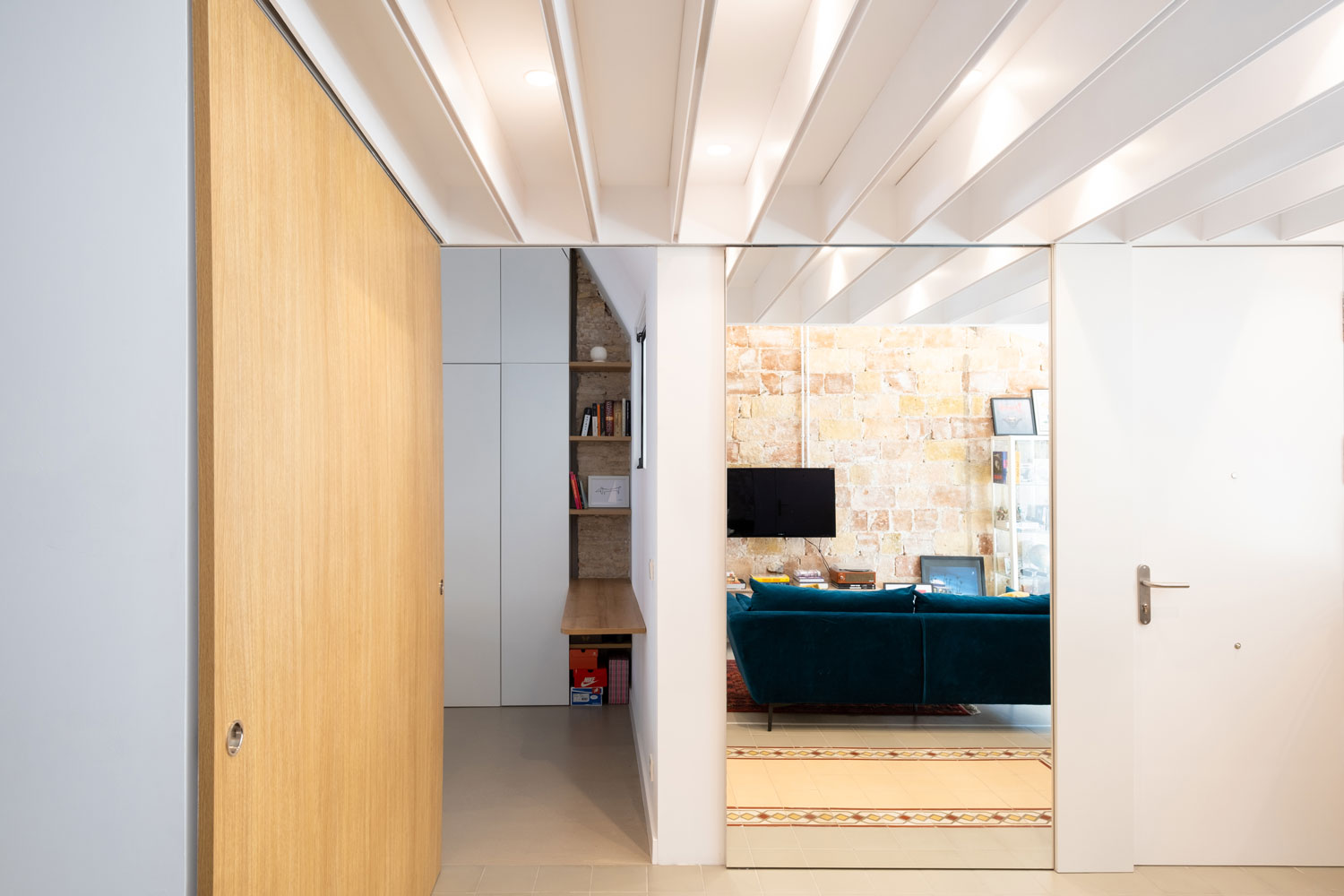
- Opening spaces: Eliminating unnecessary walls and opting for open concept designs improves the perception of spaciousness.
- Mirrors and reflective surfaces: Reflect light and visually double the space.
- Tailor-made furniture: Adapting furniture to specific dimensions maximizes utilization without saturating the environment.
- Visual continuity: Using uniform materials and styles in different areas creates a sense of cohesion and fluidity.
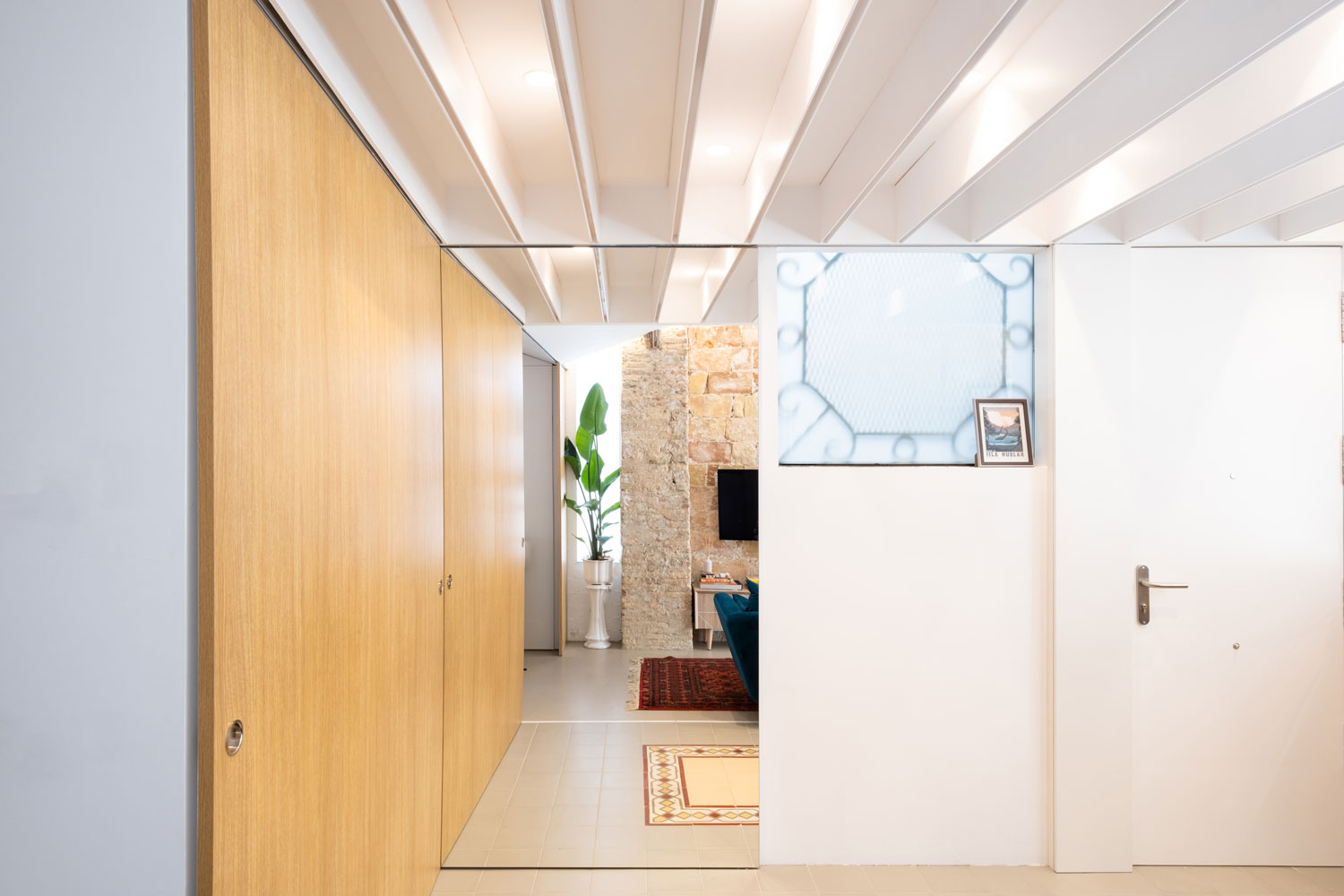
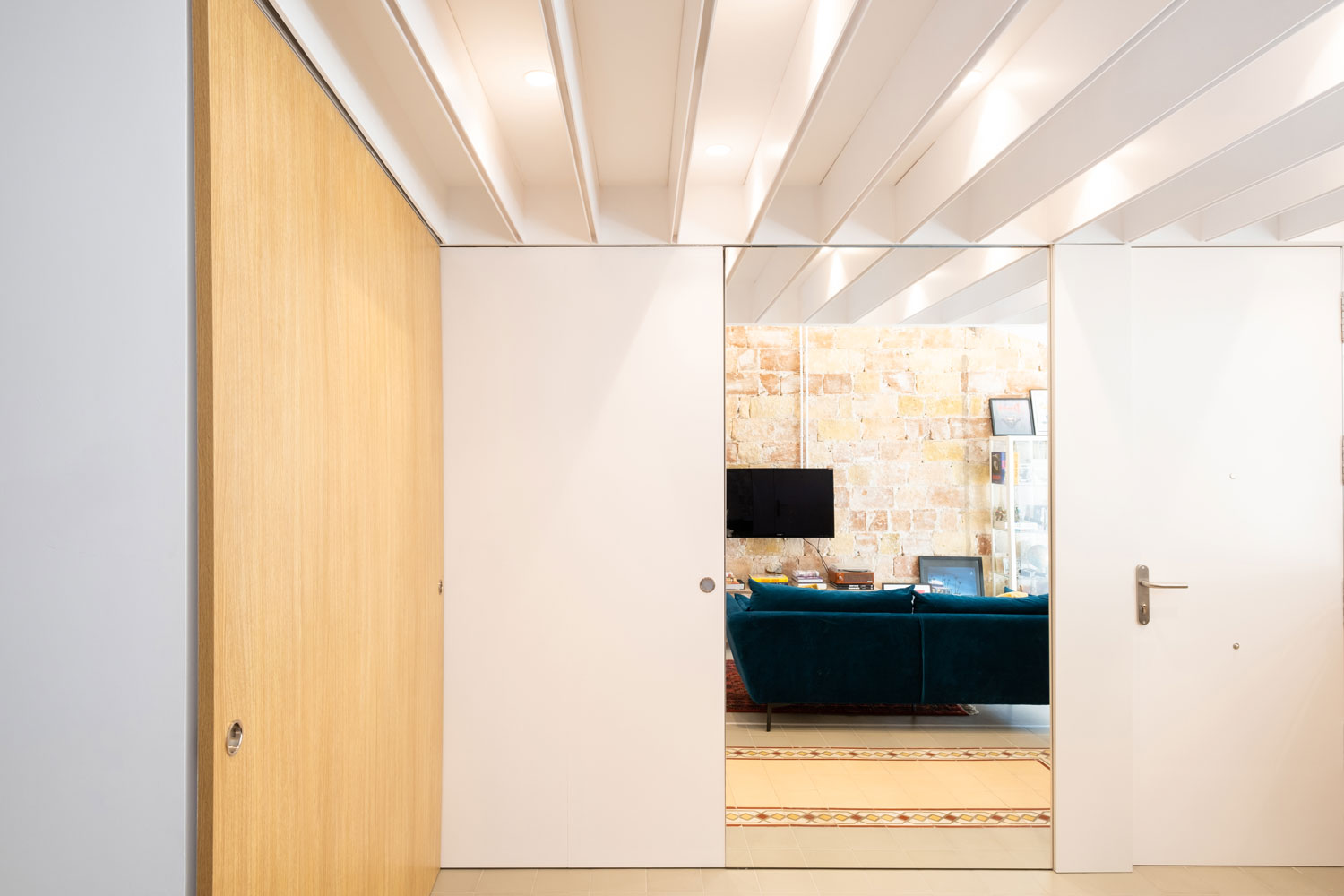
The 5 materials that help maximize space in a small home
The choice of appropriate materials can significantly influence the perception of spaciousness and functionality of a small space:
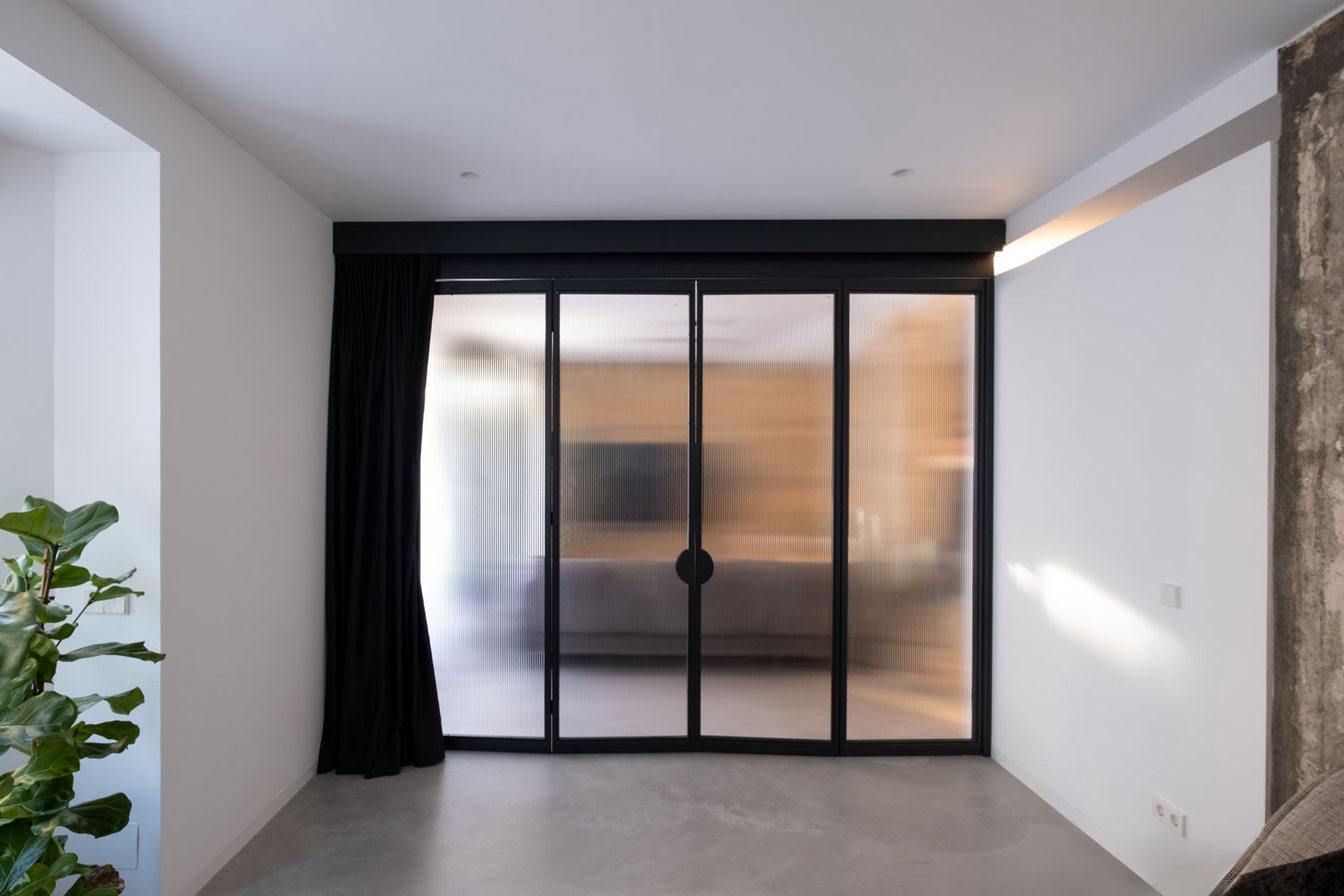
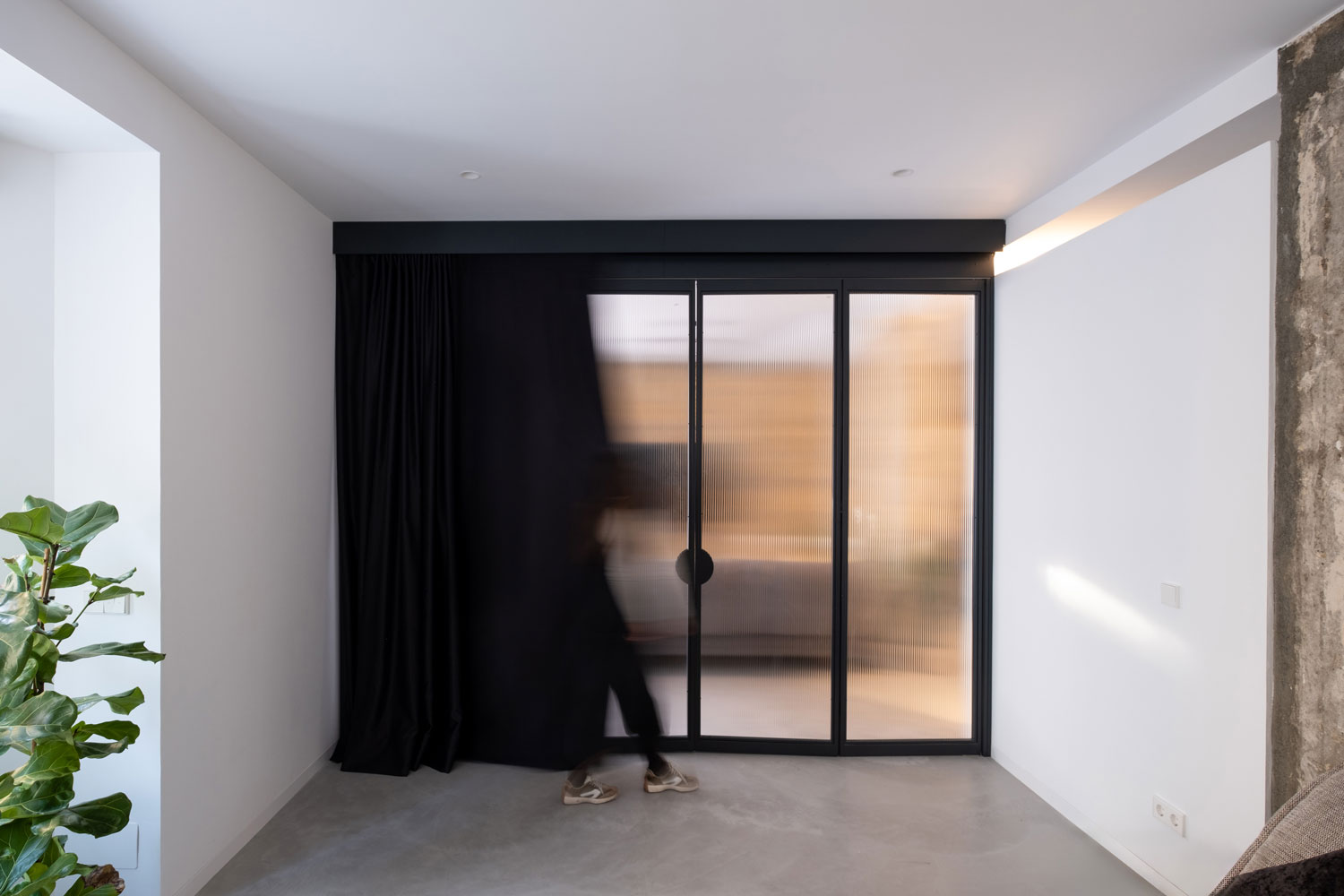
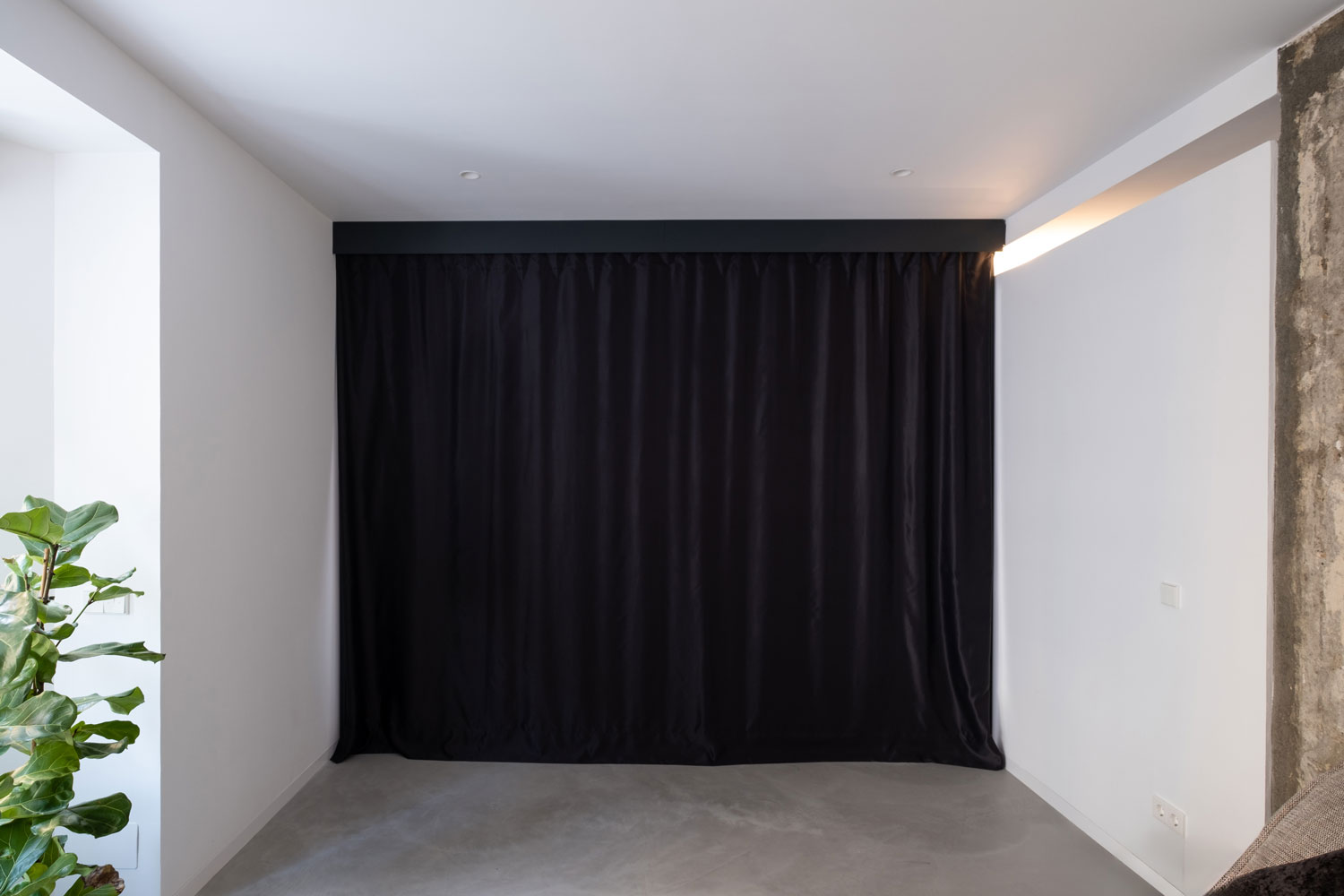
- Glass and acrylic: Allow light to enter and create light partitions that do not visually block spaces.
- Light wood: Provides warmth without darkening the environment, ideal for floors, furniture and coverings.
- Lightweight metals: Steel or aluminum structures allow for slim, space-optimized solutions.
- Sliding panels: They replace conventional doors, saving opening space.
- Reflective materials: Polished surfaces such as marble, stainless steel or glossy lacquers amplify light and the feeling of spaciousness.
How to integrate natural light into the design of a small lot?
Natural light is a crucial factor in making a small space more livable and inviting. Some strategies to maximize its use are:
- Large windows: They allow light to enter and connect the interior with the exterior.
- Skylights and skylights: They provide lighting from the ceiling, especially in central areas or areas without direct access to windows.
- Translucent glass: Provides privacy without blocking natural light.
- Strategic reflection: Using materials that reflect light helps to distribute it evenly.
- Optimal orientation: Take advantage of the orientation of the site to maximize natural light throughout the day.
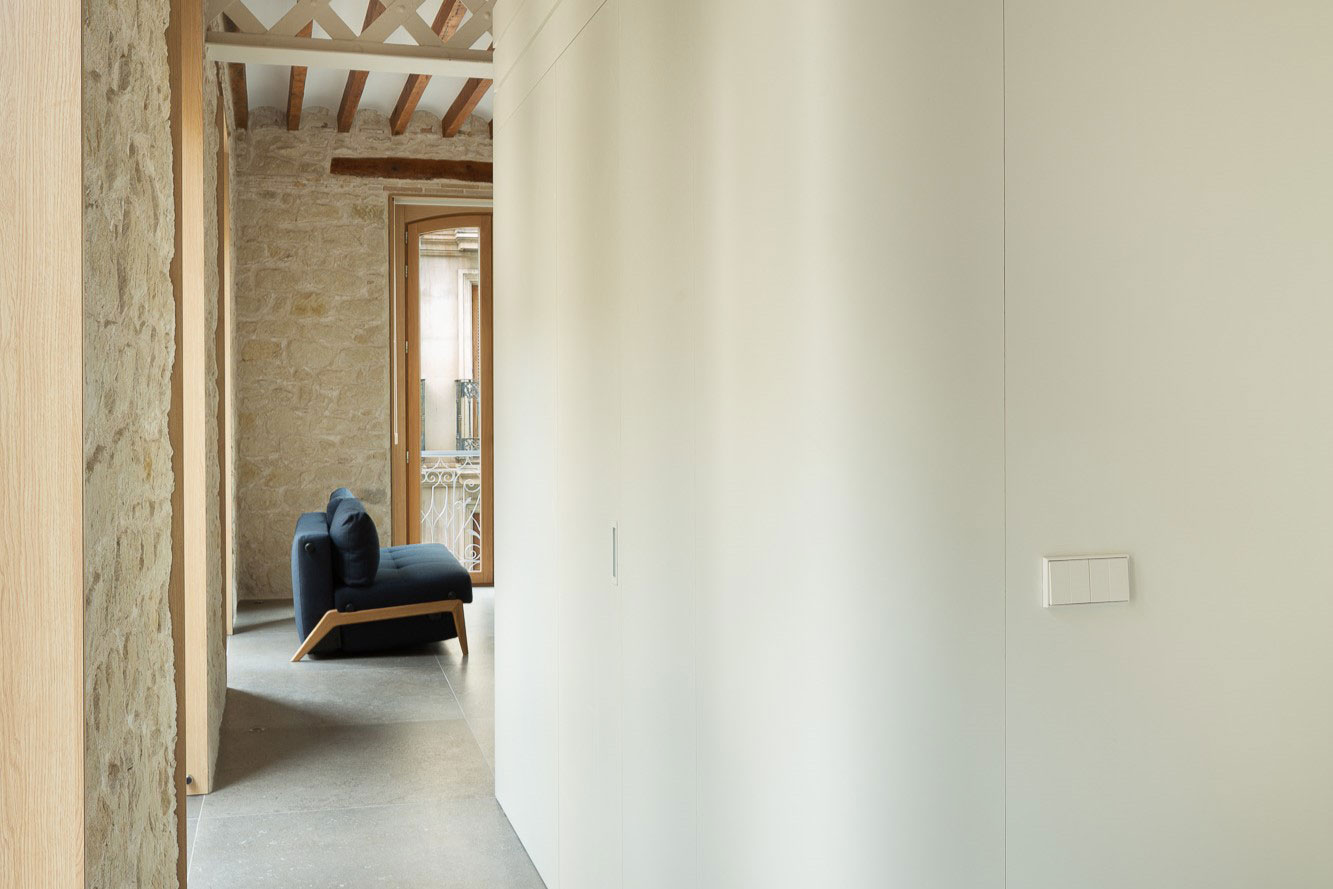
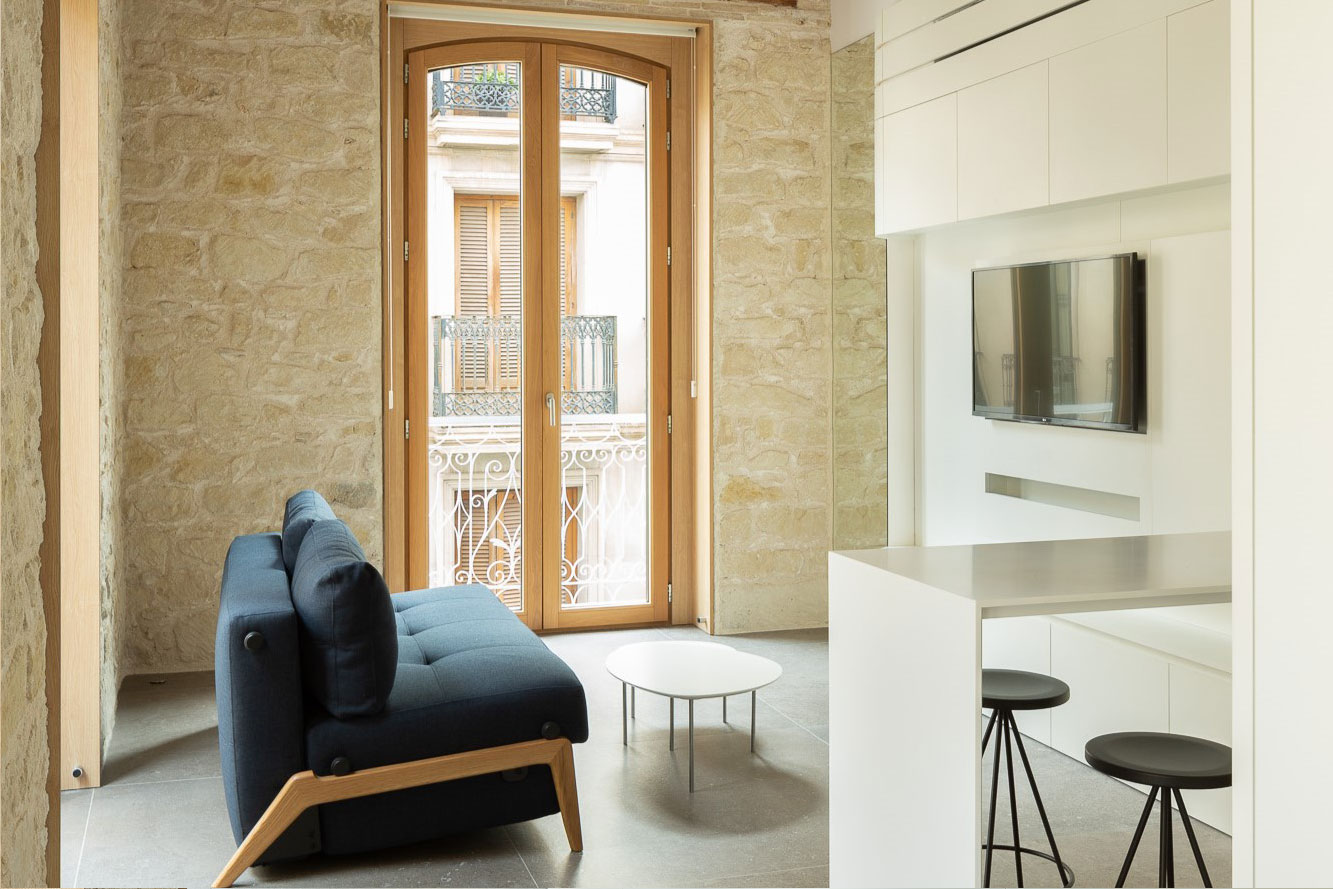
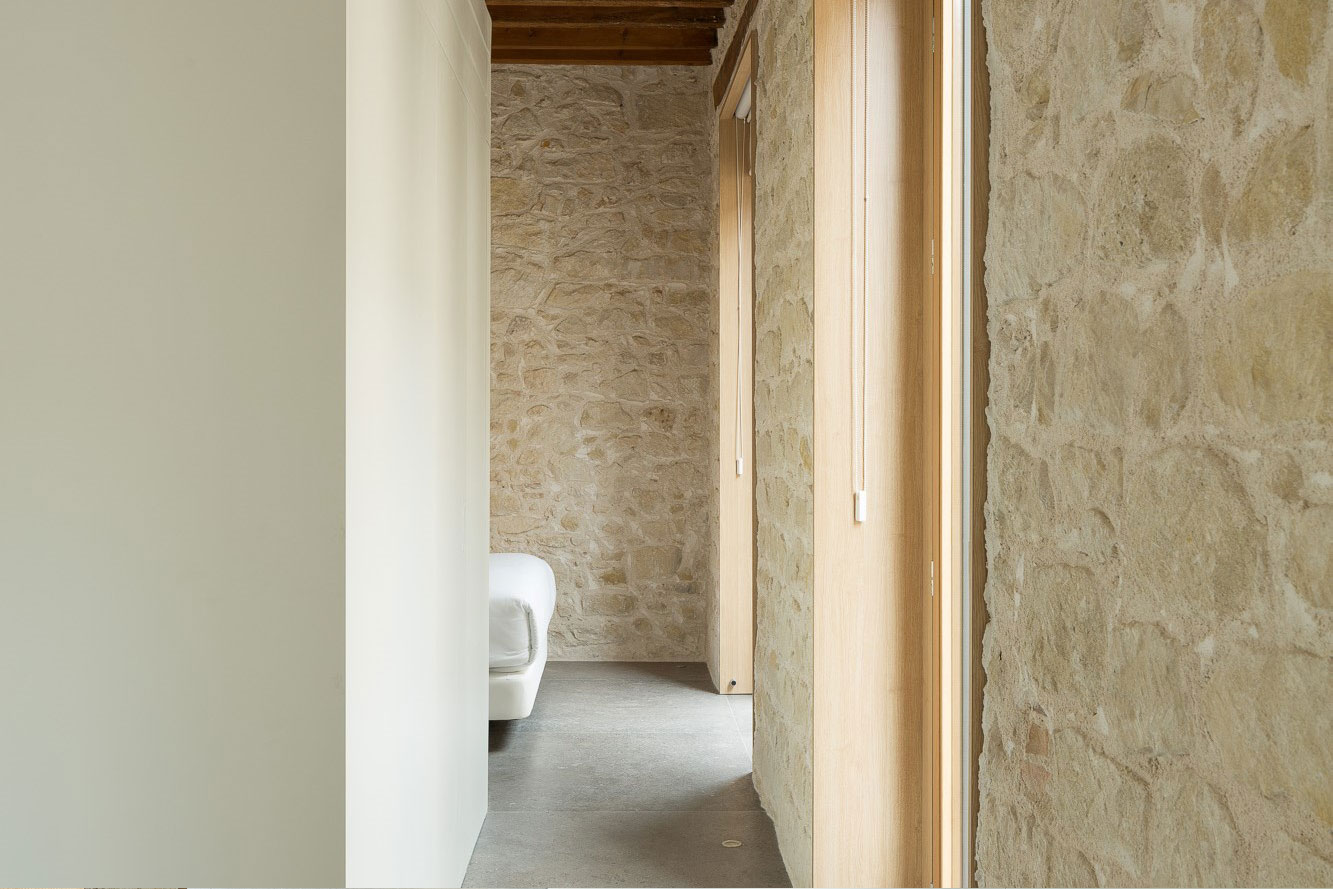
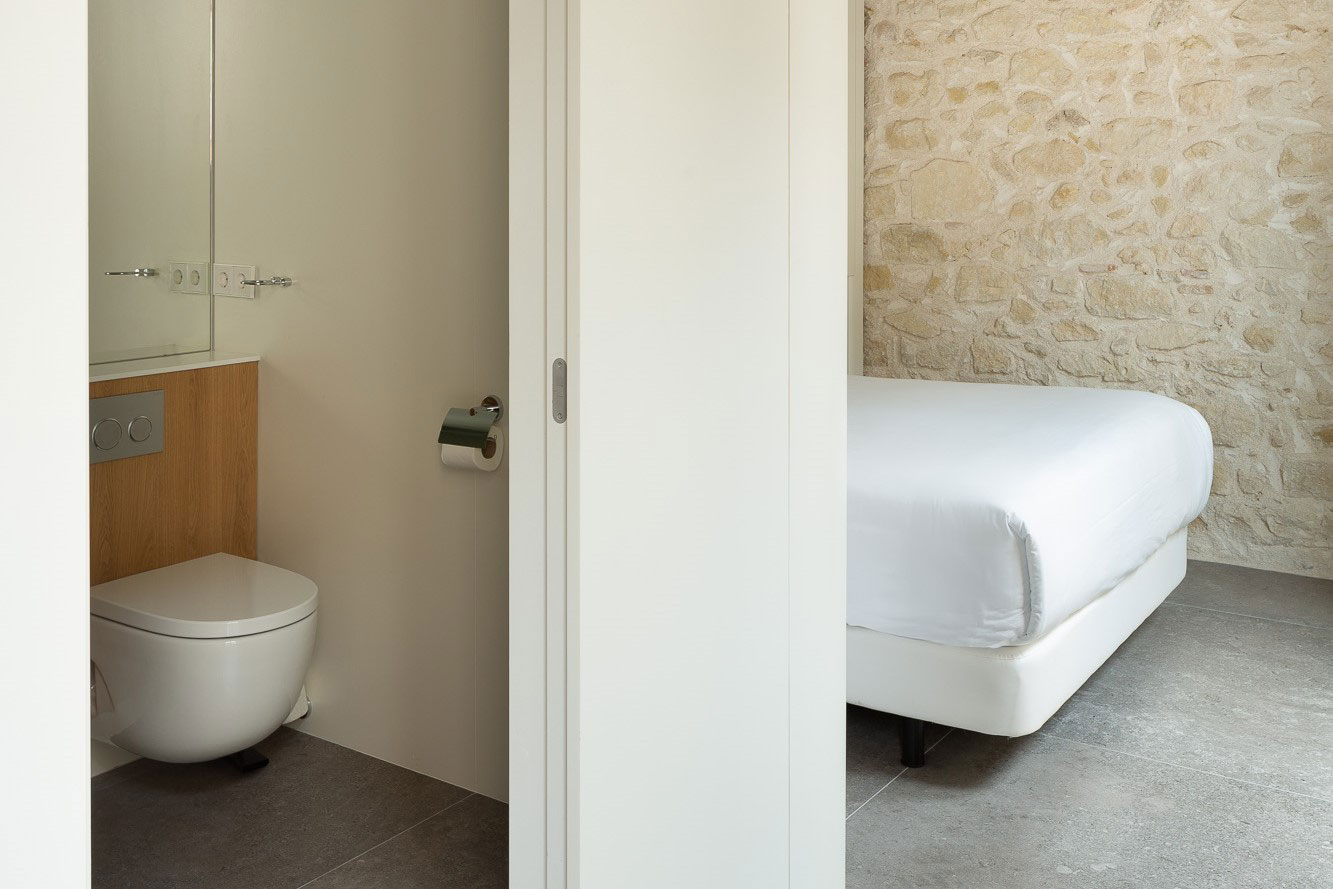
The Chronotopes approach: small terrain design combining functionality, aesthetics and sustainability.
Our process is based on:
- Detailed site analysis: We study the physical and environmental conditions to design customized solutions.
- Optimized design: We prioritize spatial efficiency through intelligent, multifunctional layouts.
- Use of advanced technology: We apply 3D modeling tools and simulations to maximize space utilization.
- Sustainable integration: We incorporate ecological materials and passive lighting and ventilation solutions.
- Customization: We adapt each project to the specific needs of the client, ensuring a unique and satisfactory experience.
At Cronotopos Arquitectura, we transform small plots of land into large, functional and aesthetically attractive spaces, demonstrating that size does not limit the potential of a good architectural design.
Written by Lea Lopes, published by Cronotopos.